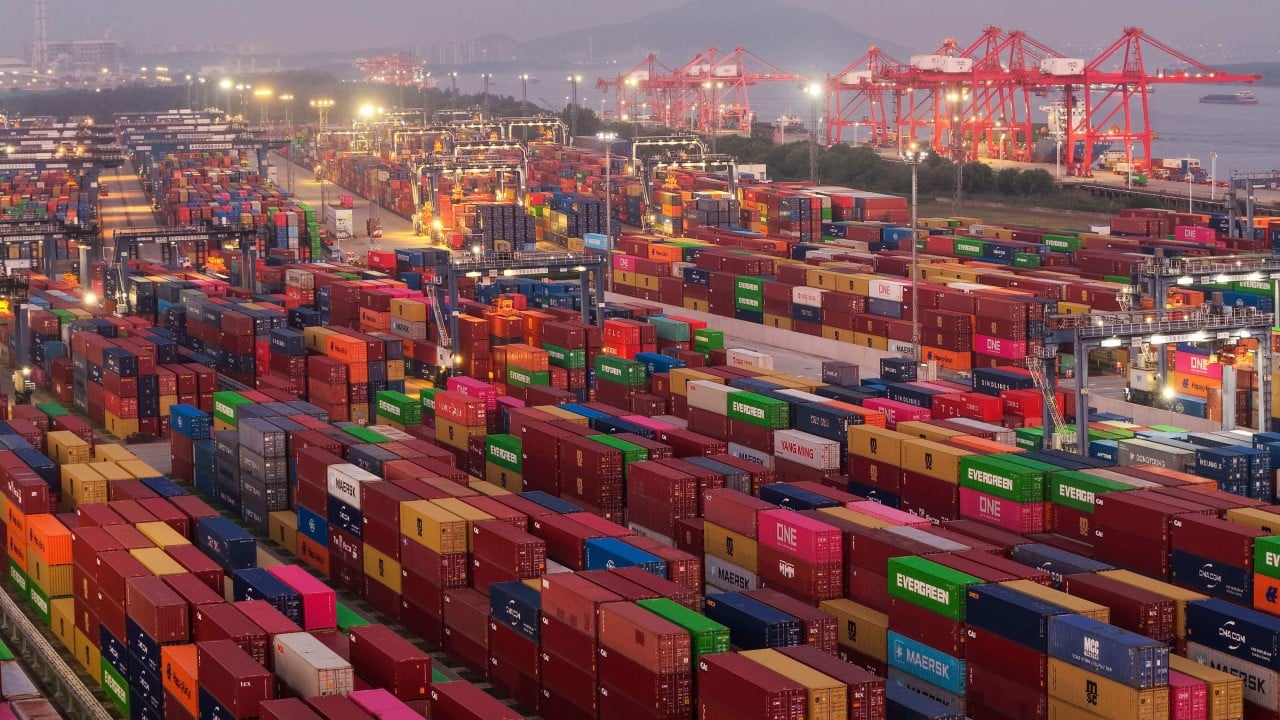
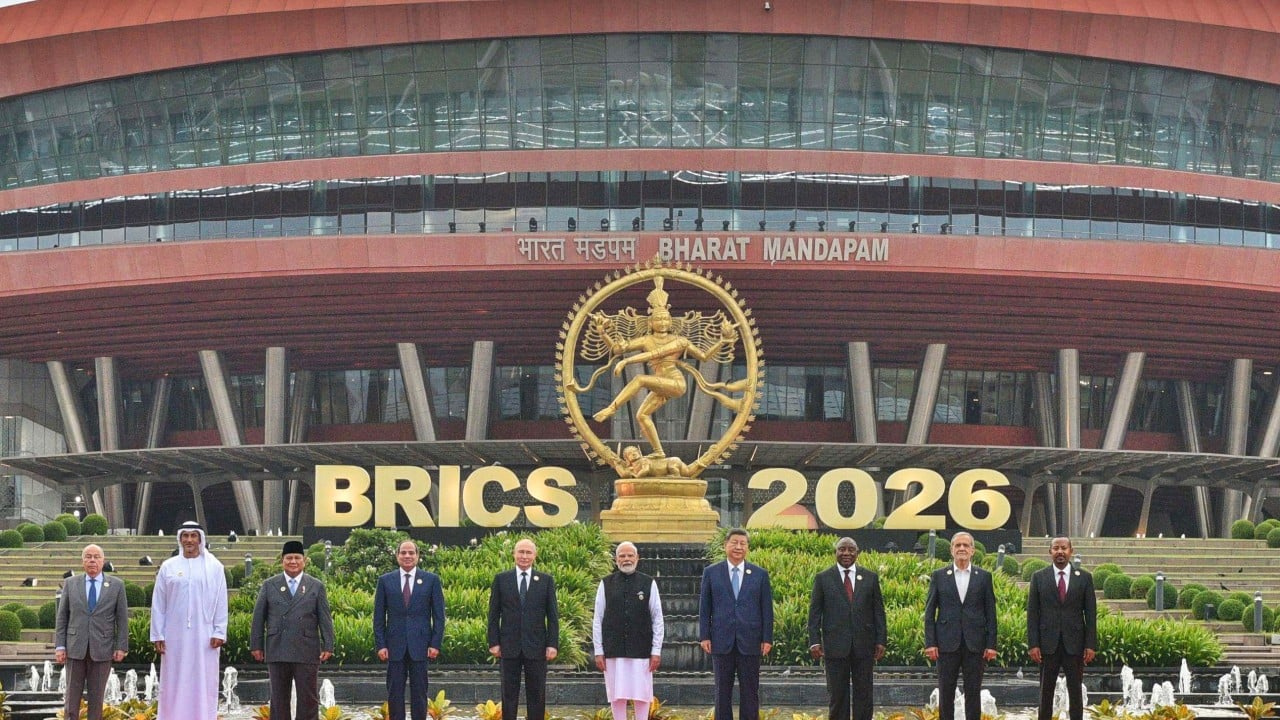
Most western analysts spent years treating BRICS as a glorified photo op. They called it an acronym cooked up by Goldman Sachs economists, a loose club of mismatched nations with nothing in common except a shared grumble about American hegemony. That dismissal was a massive mistake. Today, the bloc represents a staggering chunk of the global population and oil production, and it is actively building parallel financial plumbing designed to bypass western financial dominance entirely.
If you look past the diplomatic handshakes and official declarations, you see a hard-nosed economic realignment. It's not about overthrowing Washington overnight. It's about creating insurance policies against western sanctions, weaponized trade, and international monetary fund structural adjustment programs that left emerging economies choking on debt for decades. You don't need to love authoritarian regimes to recognize that a multi-polar financial system is already operating in plain sight.
The Real Motive Behind the BRICS Expansion
When BRICS expanded to include Egypt, Ethiopia, Iran, the United Arab Emirates, and Saudi Arabia, Washington shrugged. Media pundits claimed the new members were too chaotic or economically unstable to matter. They missed the forest for the trees. By pulling in major energy heavyheads like Saudi Arabia and the UAE, the bloc suddenly controls a massive share of global oil exports and shipping choke points.
Energy dictates global trade. When oil stops pricing exclusively in US dollars, the foundation of American financial power starts to crack. It's basic physics. If you buy Saudi oil using Chinese yuan or UAE dirhams, you don't need US dollars sitting in your central bank reserves. That reduces global demand for US treasuries, altering the cost of borrowing for the US government itself.
Beyond the Talk Shop Misconception
Skeptics love to point out that Brazil and China have wildly different political systems, or that India and China share a heavily militarized border. They assume these internal friction points will tear the alliance apart. But nations don't need to be best friends to build a mutual hedge against a common pressure point.
Think about it like a messy business partnership where everyone agrees on one core rule: stop relying on the guy who holds all the cards and writes all the rules. India wants strategic autonomy. China wants market access and secure supply lines. South Africa wants a louder voice for the Global South. Their goals overlap right where western dominance ends.
De Dollarization Realities And Challenges
Let's be completely honest about de-dollarization. It isn't happening tomorrow morning, and nobody is wiping out the greenback overnight. The US dollar still anchors global invoicing, foreign exchange reserves, and debt markets because of deep liquidity and trust in American legal institutions. Dismissing the dollar entirely right now is practically impossible for most global traders.
Yet, bilateral trade in local currencies is surging at an unprecedented pace. China and Brazil settle trade in yuan and reals. Russia and China trade in rubles and yuan. India buys Russian oil using rupees and dirhams. These aren't theoretical musings; they are billions of dollars in daily transactions bypassing SWIFT and western banking networks.
Why Local Currencies Are Gaining Ground
Sanctions against Russia served as a massive wake-up call for every non-aligned capital city in the world. When the US and Europe froze Russian central bank reserves, the message to Beijing, Brasília, and Riyadh was crystal clear: your reserves aren't safe if you cross Washington's foreign policy line.
That single geopolitical shock did more for local currency settlement than a decade of academic papers. Countries realized that holding all their wealth in US assets is a massive security risk. They aren't necessarily anti-American; they are just practicing basic risk management.
Navigating Divergent Interests Inside the Bloc
You can't talk about BRICS without acknowledging the internal tension. China and India are locked in an ongoing geopolitical rivalry across Asia. Beijing wants to position the yuan as the primary alternative currency, while New Delhi fiercely resists trading its strategic independence for another master.
On top of that, Gulf states like Saudi Arabia maintain massive security partnerships with the United States while simultaneously cozying up to Beijing and Moscow. They are playing a multi-vector game. They want American security guarantees and Chinese infrastructure investment.
The Geopolitical Balancing Act
This hedging strategy defines modern foreign policy. Developing nations refuse to pick a side in a new Cold War. They remember decades of being treated as collateral damage in proxy conflicts between Washington and Moscow. Today, they use their resources to extract concessions from both sides.
When Washington lectures African nations about dealing with China, local leaders roll their eyes. China builds roads, ports, and power grids with no lectures on human rights or fiscal austerity attached. Western lenders demand painful economic restructuring that often guts social spending. BRICS offers an alternative source of financing through the New Development Bank, which operates with fewer conditions and faster turnaround times.
What This Means For Global Trade And Business
If you run a multinational business or manage international supply chains, ignoring this shift is financial suicide. Global trade routes are fragmenting. Regional trade blocks are writing their own rules, standardizing digital currencies, and creating alternative payment rails that operate completely outside western oversight.
Compliance costs are going up. Supply chains are hardening around geopolitical loyalties. Companies that rely solely on western payment infrastructure and traditional trade routes will find themselves locked out of fast-growing consumer markets in the Global South.
You have to adapt your strategy immediately. Monitor bilateral currency agreements in the regions where you operate. Build redundancies into your logistics that account for rising regional trading hubs. Stop assuming that the post-World War II financial architecture is permanent. It is evolving, and the center of gravity is shifting east and south.