The frost on the iron hinges of the farmhouse door in eastern Poland was thick enough to scrape with a thumbnail. Marek didn't scrape it. He just watched it crystallize into jagged little teeth, listening to the wood stove wheeze as it tried to push back a November chill that smelled of damp mulch and coming snow.
Out there, just beyond the tree line and the low, rolling hills that hid the Ukrainian frontier, the horizon had a habit of bruising early.
For months, the war had been a distant rumble—a low, tectonic groan heard through nightly news broadcasts, grainy smartphone videos of flashlights sweeping across basement ceilings in Kyiv, and the endless, mechanical shuffling of refugees at the rail stations in Przemyśl. It was something happening to other people. It was a tragedy witnessed from the safe side of a glass screen, wrapped in the comforting warmth of a wool sweater and a mug of chicory coffee.
Then came the rotor blades.
They didn't sound like the familiar, heavy chug of agricultural crop dusters or the high, thin whine of private Cessnas. This was a deep, thumping percussion that rattled the single-pane windows in their frames and sent the barn cat scrambling under the floorboards. It was a sound that vibrated right through the soles of Marek’s boots, heavy with the weight of steel and kerosene.
When he stepped out onto the porch, his breath pluming instantly into the grey dawn, the sky didn't look right. It was too low. Too heavy.
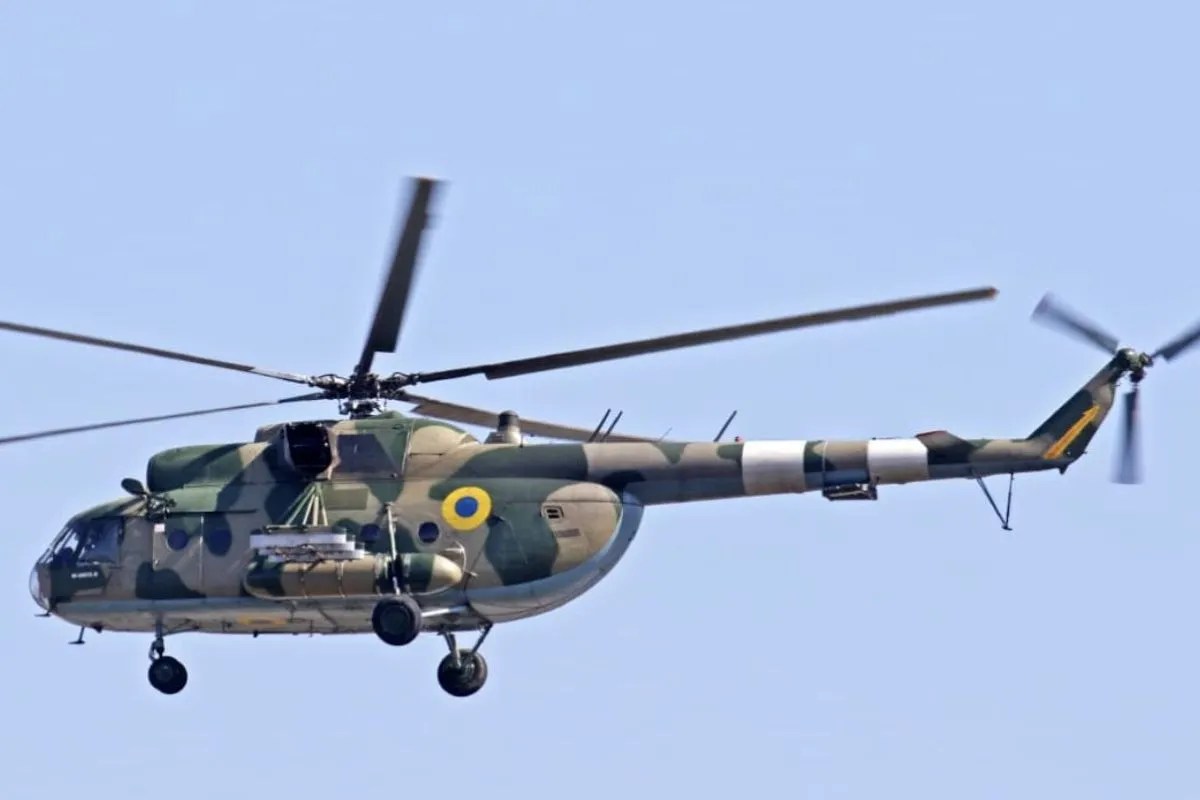
A military helicopter—sleek, dark, and indifferent to borders—was slicing across the Polish morning. For a few agonizing seconds, it hung over the stubble fields like an uninvited ghost, its rotors chewing the cold air before banking hard toward the south. It didn't fire a shot. It didn't drop anything. But in the silence that followed its retreat, the illusion of distance vanished completely.
The war had stopped knocking on Europe's door. It had reached right through the letterbox.
Across the capitals of the European Union, from the glass-fronted offices in Brussels to the historic stone facades of Berlin and Warsaw, that single unauthorized intrusion acted like a cold splash of water on a continent lulled into a fragile routine. Diplomatic cables lit up. Emergency briefings were called. Analysts adjusted their maps, redrawing concentric circles of risk and probability.
Because a boundary line on a map is only ever as strong as the collective will of the people standing behind it.
When a foreign military aircraft slips unannounced across an international frontier, it tests more than radar coverage. It tests nerve. It tests the intricate web of alliances—NATO, the European Union, bilateral pacts forged in the ashes of past centuries—that were built on a singular, desperate promise: Never again.
For years, policymakers had debated the architecture of European security in terms of GDP percentages, artillery shell production quotas, and cyber defense grids. They spoke in the bloodless language of strategic depth and deterrence thresholds. But deterrence is an abstract concept until a pilot loses his bearings, or an engine fails, or a deliberate probe tests how long it takes for a phone to ring in a command center.
Consider what happens when the invisible line between safety and catastrophe blurs.
In Warsaw, the rhetoric shifted overnight from cautious support to urgent fortification. The mood in the streets hardened. People who had opened their homes to families fleeing the shelling in Donbas and Kharkiv suddenly looked up at the grey clouds with a new kind of reckoning. They understood that the distance between a shelled apartment block in Ukraine and a quiet orchard in Poland wasn't measured in hundreds of miles anymore. It was measured in minutes. Flight time.
Yet, panic is a poor strategist.
The true challenge for Europe in the wake of such incursions isn't just military readiness; it is psychological resilience. It is the ability to stare down provocation without blinking, to reinforce borders without slamming the door on humanity, and to maintain unity among dozens of sovereign nations whose national interests rarely align perfectly on the first try.
Down in his yard, Marek pulled his coat tighter against the wind and watched the crows settle back into the naked branches of the oak tree. The helicopter was long gone, swallowed by the gray haze toward the west. The silence returned, but the air felt different now—thinner, charged with the quiet electricity of a world that had suddenly become much smaller, and infinitely more fragile.


