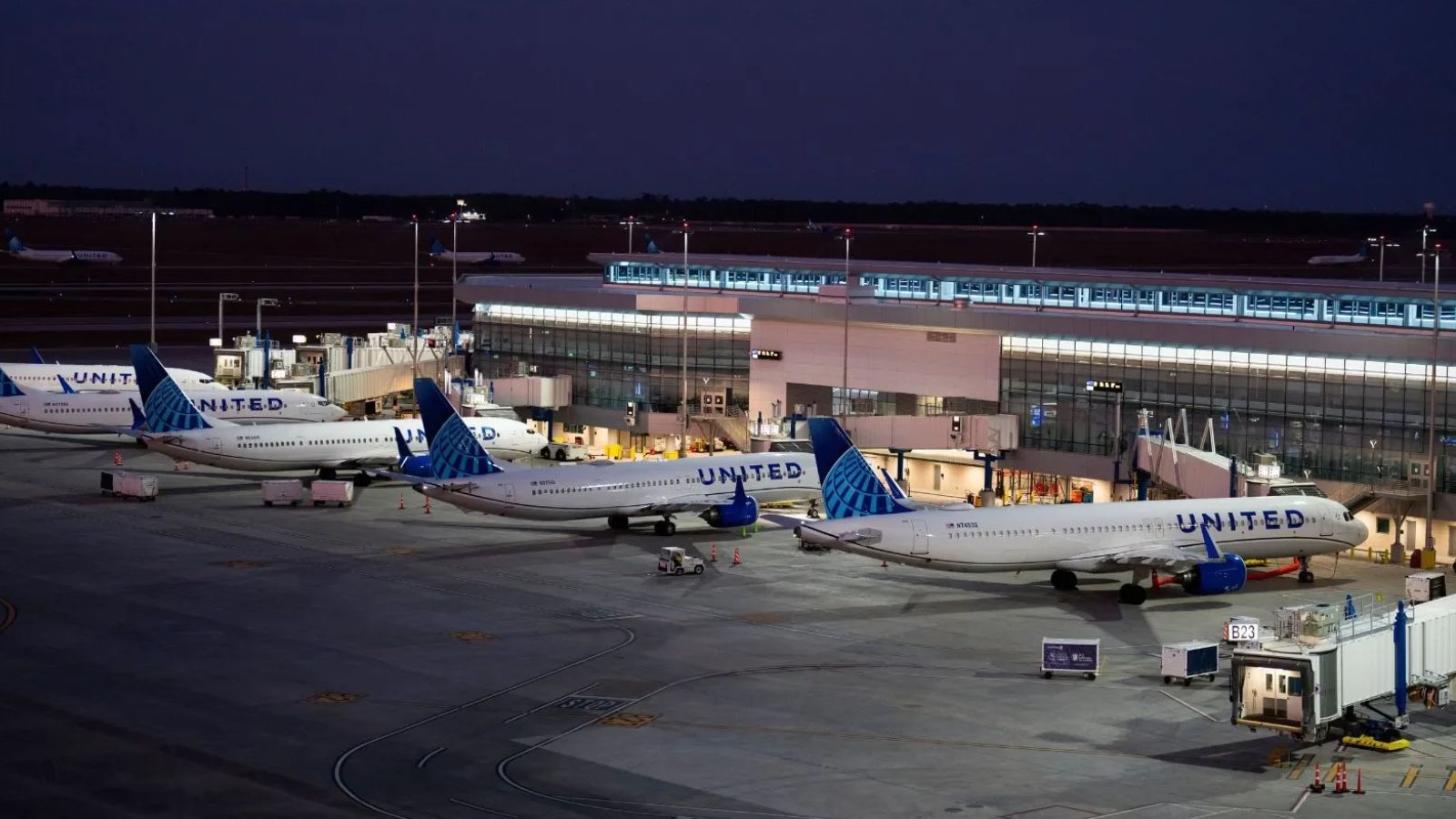
Two thousand delayed flights. A holiday travel rush grinding toward a halt. A headline screaming that a tech issue broke an airline.
Spare me the sympathy tour.
Every time a major carrier trips over its own wires before a peak travel window, the predictable coverage rolls out like clockwork. Reporters tally the delays. Spokespeople offer boilerplate apologies. Pundits write "What we know" roundups treating a massive operational cascade like a sudden lightning bolt out of a clear sky.
It wasn't a bolt. It was dry rot catching a spark.
I have watched airlines spend tens of millions of dollars chasing shiny software upgrades while leaving decades-old crew-scheduling logic, fragile database handoffs, and thin staffing buffers untouched. When a glitch strands two thousand flights right before Thanksgiving, the software didn't hijack the airline. The software simply exposed how little slack the business built into a system operating at ninety-nine percent capacity.
The "Tech Issue" Fairy Tale
When travelers see a departure board turn amber and red, they picture a single rogue line of code freezing a giant machine. That mental model is comforting because villains are easy to spot and patches sound simple.
Aviation operations do not work that way. A commercial airline is a tightly coupled web of aircraft rotations, airport gates, maintenance windows, air traffic flow restrictions, and federally mandated crew duty limits. A hiccup in crew tracking, flight dispatch, or passenger rebooking doesn't stay in a neat little box. It propagates. A plane sits at a gate waiting for a crew whose legal clock just ran out. That crew was waiting on another inbound flight that was already late. Before noon, a localized software snag turns into a network-wide puzzle with missing pieces.
Calling it "just a tech issue" lets management off the hook. Software fails in every industry. What separates a minor annoyance from two thousand delayed flights is operational resilience: the ability of a system to absorb a shock, isolate the failure, and recover without tearing its own schedule apart.
When an airline runs schedules with razor-thin buffer times to squeeze out extra daily block hours per aircraft, there is no shock absorber left. A minor IT fault hits a system already stretched taut. Snap.
A tech glitch rarely breaks an airline on its own. It simply reveals that the schedule left zero room for human or machine error.
Why Peak Holidays Turn Small Bugs Into Bonfires
People keep asking the wrong question when they read about holiday meltdowns. They ask, "How can airlines stop tech glitches from happening right before Thanksgiving?"
That is a fantasy. Complex software always has edge cases, legacy dependencies, and migration bugs. Trying to guarantee zero technical faults during the highest-volume travel week of the year is like trying to guarantee zero potholes across ten thousand miles of interstate.
The smarter question is this: Why do airlines schedule near-zero margin right when weather, congestion, and passenger volume leave zero margin for error?
Thanksgiving week concentrates demand into narrow windows. Flights go out full. Load factors climb high. A single cancelled or heavily delayed flight doesn't just inconvenience forty people on standby; every seat is already sold, so rebooking ripples across dozens of subsequent departures over the next forty-eight hours.
Meanwhile, crew assignments are governed by strict aviation safety rules on rest and duty time—rules that exist for good reason, because fatigued crews are a safety hazard. Once delays stack up, crews time out. Dispatchers scramble to reassign pilots and flight attendants who are sitting in the wrong cities or caught in traffic themselves. If the software meant to track and match those crews lags, stutters, or loses synchronization with real-world movements, recovery slows to a crawl.
Think about that bottleneck. You can have plenty of airplanes sitting at gates and plenty of passengers ready to board, yet still ground flights because the system cannot reliably pair legal crews with aircraft in the right place at the right time.
What People Actually Search When Flights Melt Down
When two thousand flights get delayed ahead of a holiday, travelers type urgent questions into search bars. Most of those questions start from a flawed premise.
- "Are airlines underinvesting in IT?" Sometimes they underinvest; often they misinvest. Pouring money into flashy passenger-facing apps or surface-level dashboards does very little if the core back-end systems that manage crew pairing, irregular operations, and real-time state reconciliation are brittle or poorly integrated. A pretty booking screen cannot un-strand a plane.
- "Should travelers just book morning flights to beat tech delays?" Morning departures still beat afternoon weather and accumulated domino effects most days, which is why seasoned flyers favor them. Still, a morning flight will not save you if a core dispatch or crew system is already offline before dawn. Morning flights reduce accumulated delay risk, not systemic outage risk.
- "Why can't airlines just rebook everyone automatically when systems go down?" Because automated rebooking depends on accurate inventory, flight status, and seat availability. When systems lag or desync during a disruption, automation can push out bad itineraries, duplicate assignments, or phantom seats—forcing agents back onto manual workarounds that take far longer per passenger.
The Industry Blind Spots Nobody Wants to Admit
Classic operations research—the kind of work pioneered by heavy hitters like Cynthia Barnhart at MIT on airline crew scheduling and disruption recovery—has shown for decades that robust schedules outperform brittle, hyper-optimized schedules when things go sideways. Yet Wall Street rewards utilization metrics, cost per available seat mile, and short-term efficiency. Slack looks expensive on a spreadsheet until the day everything locks up.
I have sat in war rooms where executives stared at red screens wondering why a "minor" database hiccup took hours to untangle. The answer was always sitting in plain sight: years of band-aids over legacy architecture, undocumented workarounds that only three veterans understood, and drills that tested happy-path recovery instead of ugly, multi-system failures.
Imagine a scenario where an airline runs quarterly stress tests not just with clean data, but with deliberately corrupted feeds, delayed crew updates, and severed network links—forcing dispatchers and engineers to recover without their favorite shortcuts. Most carriers hate running drills that make leadership look bad on paper. So they wait for Thanksgiving or winter storms to run the real test in front of paying customers.
The Catch With Building Real Slack
I am not going to pretend my argument comes with a free lunch. Building true operational resilience has real downsides, and pretending otherwise would be dishonest.
First, buffer costs money. Holding extra reserve crews, keeping wider turn times between flights, and retiring or refactoring aging tech platforms all eat into margins. In a fiercely competitive business with thin net profits, higher costs can mean higher fares or fewer routes on marginal markets.
Second, overhauling core systems is brutal. Ripping out or untangling legacy airline software while flying thousands of daily segments is high-wire work. Migration mistakes can cause the exact kind of disruption airlines are trying to avoid.
Third, passengers hate trade-offs in the abstract. Travelers say they want reliability, right up until a slightly more padded schedule costs fifty dollars more or adds thirty minutes of ground time. Airlines respond to the incentives customers and investors actually reward.
What Actually Works When the Board Turns Red
If you are booked on a flight during a holiday rush and a major carrier hits a tech snag, waiting around hoping the airline's recovery engine magically sorts itself out is a losing bet. You need to move faster than the queue.
- Act before the gate agent line hits fifty people. The moment you see rolling delays or hear vague "system" excuses, open the airline app and check alternative routings—including nearby airports or partner carriers—while seats still exist.
- Use multiple channels at once. If hold times spike, use in-app chat, check alternative hubs, or talk to a knowledgeable agent at a quieter club or gate while staying on hold. Do not put all your hope in a single slow queue.
- Know your rights and limits early. Check whether a delay is carrier-controlled or tied to air traffic and weather, keep receipts for reasonable meals or lodging if an overnight happens, and document schedule changes as they occur.
- Build your own buffer on non-negotiable trips. For Thanksgiving or any high-stakes family event, flying a day early or picking a non-stop with multiple daily frequencies on that route beats clever travel hacks every single time.
A tech glitch didn't ruin holiday plans for two thousand flights. Fragile systems, zero slack, and a business model allergic to margin did.