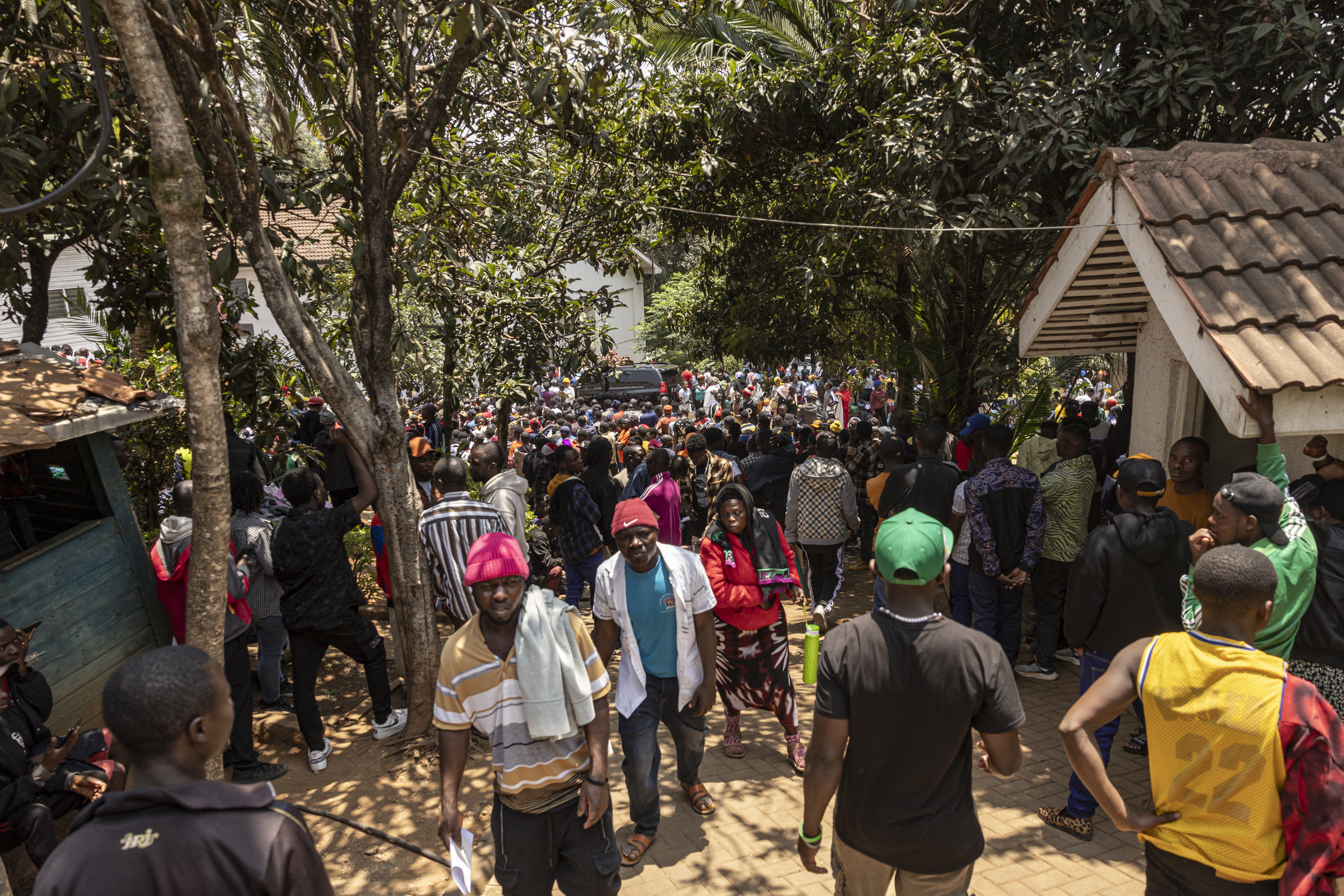
The standard media narrative surrounding Kenya's recent push against unlicensed foreign traders relies on a comfortable, lazy consensus. Mainstream reports frame the policy as an emotional outburst, a sudden wave of panic, or an outbreak of raw xenophobia targeting vulnerable migrants. Pundits clutch their pearls, warning that enforcing retail licensing laws will destroy regional harmony.
They have got it completely backwards.
This is not an irrational panic. It is a lagging administrative correction to a systemic failure of state enforcement. When a government looks at hawking and micro-retail, spaces meant to absorb local informal labor, and finds them saturated with undocumented operators, the issue is not protectionism. The issue is rule of law. Pretending that basic trade regulations should be suspended out of humanitarian politeness is an insult to every tax-paying, legally compliant micro-entrepreneur already drowning under the cost of doing business.
Let us define terms precisely. Economic protectionism involves shielding inefficient domestic mega-industries from international competition through tariffs or subsidies. Enforcing local licensing laws, tax compliance, and immigration status for street-level commerce is something entirely different. It is market hygiene.
When state frameworks fail to police who is operating inside the cash economy, distortions happen. Informal retail thrives on tight margins and social trust. If an operator bypasses work permit fees, ignores municipal licensing, and sidesteps institutional tax obligations, they operate with an artificial cost advantage. That is not free market efficiency. That is regulatory arbitrage.
Critics wring their hands over scenes of migrant workers packing bags or seeking shelter at embassies, pointing to it as proof of cruel policy execution. But trace the chain of causality further back. Imagine a scenario where a domestic entrepreneur tries to secure a municipal business permit, registers for local levies, rents a permanent stall, and plays by every statutory rule, only to find themselves undercut next door by an unregistered operator paying zero compliance costs. That local trader goes bust. Multiply that by thousands, and you witness the hollowed-out core of urban middle-tier commerce.
The East Africa Law Society rightly points out that enforcement must follow due process and respect regional protocols like the East African Community Common Market agreement. Correct. Legal trade frameworks matter. But the existence of a free-movement protocol does not mean a free-for-all waiver on local commercial laws. The treaty explicitly subjects the right to establish businesses to applicable national legislation. If you ignore the legislation, you forfeit the right.
State officials have repeatedly clarified that foreign investors and nationals meeting statutory requirements remain fully protected. The dividing line is not nationality; it is legality. Conflating the two is a rhetorical trick designed to shut down necessary conversations about border management and economic sovereignty.
Blaming retail crackdowns for destroying migrant livelihoods ignores the baseline responsibility of any sovereign state: its duty to protect the domestic working class from bearing the brunt of unmonitored informal migration. If a state cannot regulate who sells goods on its sidewalks, it ceases to function as a coherent economic unit.
Stop masking weak regulatory enforcement as moral progress.
Kenya: Xenophobia Fears Amid Crackdown on Foreign Traders
This short video highlights the immediate friction on the ground as tensions flare between enforcement measures and migrant communities in urban centers.


