Billions of dollars, four massive runways, and one massive aviation dream are colliding forty kilometers southeast of Addis Ababa. Ethiopia is building the massive Bishoftu International Airport, a $12.5 billion aviation colossus designed to handle up to 110 million passengers a year. It's supposed to replace Bole International Airport and act as the ultimate transit engine for the continent. But behind the blueprints and earthworks, a high-stakes geopolitical scramble is playing out in real-time. Washington and Beijing want a piece of the action, and Addis Ababa is holding the cards.
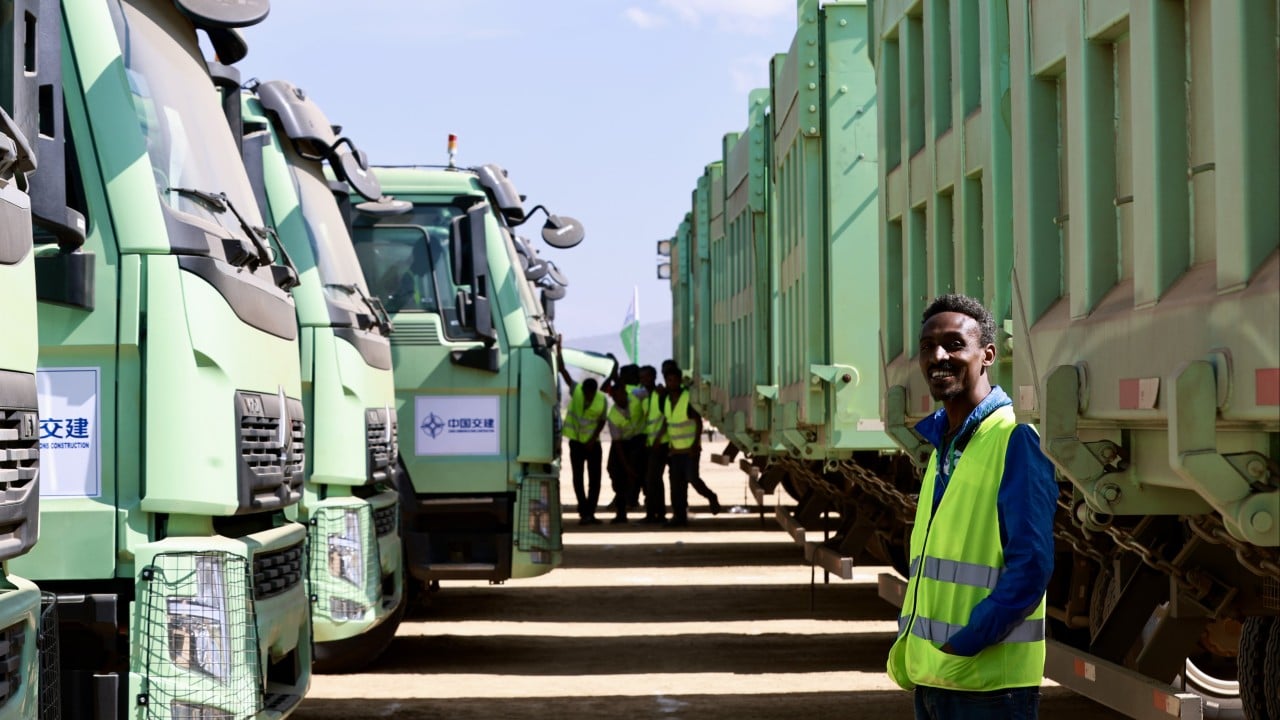
If you look at who is bidding for the construction packages, Chinese state-owned enterprises are everywhere. Companies like China Communications Construction Company and the China Civil Engineering Construction Corporation dominate roughly half of the shortlisted spots for the massive civil works and infrastructure packages. Beijing already holds a massive footprint across Ethiopian railways, roads, and industrial parks. Bishoftu looks like the natural next chapter of that playbook.
Yet, Washington isn't sitting on the sidelines. The White House and the U.S. Commerce Department are actively lobbying to secure a heavy footprint for American corporations. While U.S. construction giants missed out on the primary civil works shortlists, American officials are eyeing tech, ground systems, security architectures, and long-term equipment contracts.
The Stakes Behind the Concrete
Why are global superpowers tripping over themselves to get involved in an airport in Ethiopia? Because aviation in Africa isn't just about moving people from point A to point B. It's about securing trade routes, telecommunications networks, energy deals, and diplomatic influence for the next fifty years.
Ethiopian Airlines runs the most successful carrier network on the continent. When they expand, they buy airplanes, digital routing systems, and logistics software on a massive scale. Deals like their ongoing commitments with Boeing mean American manufacturing has a direct skin in the game. When U.S. officials talk about wanting strong participation, they are looking at aircraft supply chains, financing structures, and advanced airport tech.
At the same time, Chinese firms bring unmatched speed and scale to heavy civil engineering. They build massive terminals, rail links, and roads faster and cheaper than almost anyone else. Ethiopian leadership knows this dynamic well. They aren't interested in signing away their sovereignty to a single foreign power. They want competition.
Diversifying Partnerships
Ethiopia is playing a masterclass in modern infrastructure diplomacy. The project's financing blueprint is a sprawling puzzle. The African Development Bank is stepping up as a lead arranger alongside a multi-billion dollar mobilization strategy, while European, Gulf, Turkish, and Indian firms are circling specific engineering and procurement niches.
This multi-partner approach protects Addis Ababa from becoming overly dependent on any single superpower. When you need to raise $12.5 billion for a greenfield mega-hub that spans dozens of square kilometers, you don't lock the door to anyone who brings cash and capability. You let the global rivals bid against each other, driving down costs and elevating the quality of the final build.
What Happens Next for Global Investors
The earthworks are already underway, with the initial phases targeted for completion before the decade ends. The real battle is moving past the concrete and steel phase into high-value tech integration. Smart terminal management, baggage sorting automation, green energy integration, and heavy cargo logistics will define the second wave of contracts.
If you are watching international trade and infrastructure markets, pay close attention to how the equipment tenders shake out. Bishoftu is setting the template for how major African economies will manage great power competition moving forward.



(mh=9Y7FVrqyxdiBUQYR)0.jpg)