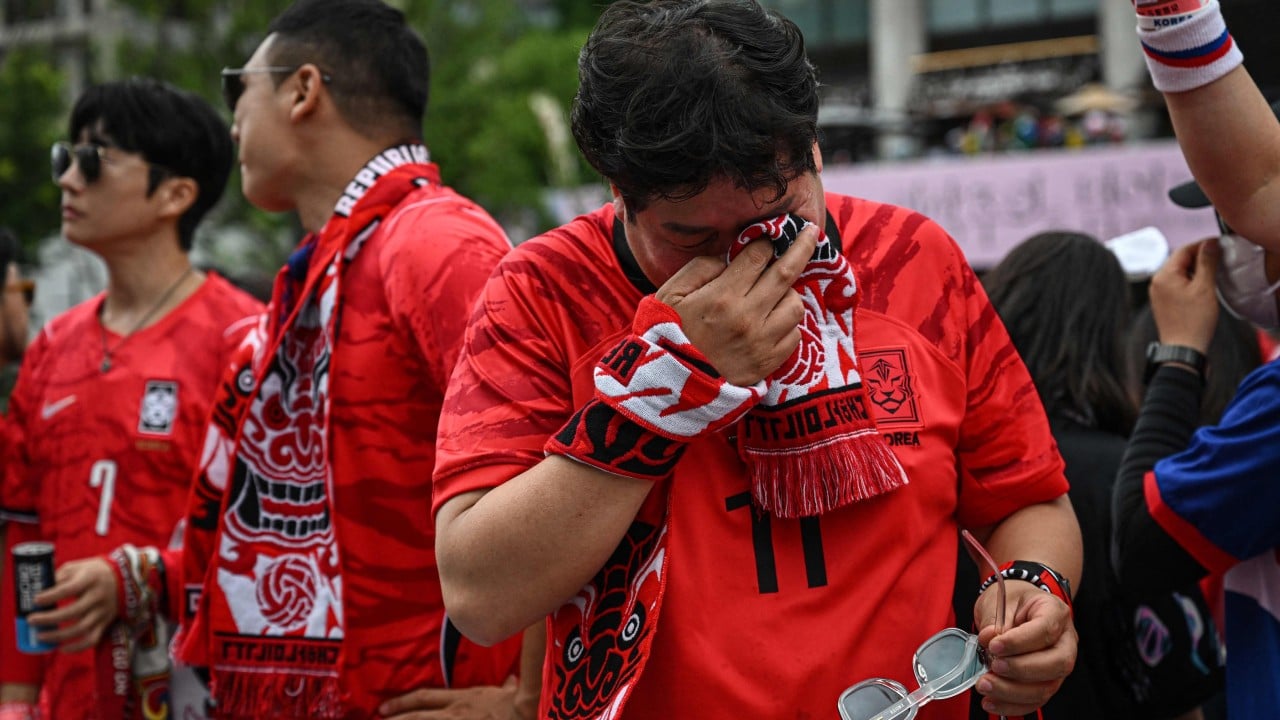
Throwing two billion dollars at a sport feels like it should buy you a ticket to the knockout rounds. It didn't.
Saudi Arabia just crashed out of the 2026 FIFA World Cup in the group stage. They finished dead last in Group H. Two points from three games. No wins. They drew 1-1 against Uruguay, got absolutely hammered 4-0 by Spain, and finished with a miserable 0-0 draw against Cape Verde. The fallout was instant. Yasser Al-Misehal, the powerful head of the Saudi Arabian Football Federation, resigned late Sunday night. He took the blame, packed his bags, and left after seven years in charge.
This failure cuts deep. This wasn't supposed to happen. Over the last three years, the Kingdom turned the global transfer market upside down. They signed Cristiano Ronaldo, Neymar, and Karim Benzema for the domestic league. They bought influence, global eyeballs, and secured the hosting rights for the 2034 World Cup. Yet when the national team stepped onto the pitch in the United States, they looked completely out of ideas.
The harsh reality of international football just slapped Saudi ambition right in the face.
The Illusion of Progress
People thought the Saudi Pro League boom would automatically translate to national team success. That was a massive tactical error.
When you flood a domestic league with elite foreign talent, local players get pushed to the bench. It's a simple numbers game. Only eleven players can start for Al-Hilal or Al-Nassr. If foreign superstars take the key attacking positions, young Saudi talent sits on the sidelines. They lose their competitive edge. They miss out on playing high-pressure minutes week in and week out.
The group stage matches exposed this gap perfectly. The Green Falcons lacked match sharpness. Against Spain, the defenders looked panicked. The communication was totally non-existent. A 4-0 beating showed that playing alongside expensive imports in training isn't the same as facing hungry, elite international squads.
The national team hoped to replicate their famous 1994 run or at least improve on their 2022 win over Argentina. Instead, they took a massive step backward.
Chaos in the Dugout
You can't build a cohesive tactical system when you change managers like jackets. Saudi Arabia's preparation for this tournament was messy.
First, they had Roberto Mancini. That relationship ended badly. Then they brought back Herve Renard, the man who engineered that iconic victory over Argentina in Qatar. Fans felt relieved. But a string of terrible friendly results in March cost Renard his job. In a panic move, the federation appointed Georgios Donis less than two months before the World Cup kicked off.
Two months. That is barely enough time to learn everyone's name, let alone install a complex defensive block or an attacking identity.
Donis inherited a squad lacking confidence and rhythm. The players looked confused about their roles. Against Cape Verde, a match they absolutely had to win to advance, the team played with zero urgency. Cape Verde looked more organized, hungrier, and better coached. The African side advanced as group runners-up behind Spain, while the Saudis flew home early.
Al Misehal Steps Down
Al-Misehal had to go. In modern Saudi sports, accountability is swift when investments don't yield results.
His resignation statement on X didn't mince words. He admitted the performance fell short of all ambitions. He apologized to the fans. He noted that a sense of responsibility required giving the opportunity to open a new chapter.
It is a fascinating exit. Al-Misehal was the architect behind the successful 2034 World Cup hosting bid. He was a major player in FIFA circles. But his local record became a target for intense media scrutiny. Journalists like Battal Al-Qoos openly slammed the federation for repeated failures over Al-Misehal's seven-year tenure. The public anger forced his hand.
Now, the rumor mill is spinning fast. Saudi football icon Sami Al-Jaber is already being tipped as the favorite to take over the federation leadership. Al-Jaber has the star power and the administrative background to calm the furious fan base. Whoever takes the job inherits a burning house.
What Needs to Change Right Now
Fixing this mess requires more than signing another aging European superstar to a club team. The federation needs a total structural overhaul before the upcoming AFC Asian Cup and the massive 2034 tournament on home soil.
First, the league must fix its squad rules. The current setup favors short-term commercial hype over long-term player development. They need strict quotas that guarantee young local players meaningful game time in the Saudi Pro League. If the domestic talent doesn't play, the national team dies.
Second, they must stop the managerial merry-go-round. Hire a top-tier international coach and give them a guaranteed four-year cycle. No sacking them after a couple of bad friendlies. True tactical cohesion takes years to build.
Third, send local talent abroad. It is comfortable to stay in Riyadh or Jeddah earning millions. But comfort breeds complacency. The federation should actively incentivize young Saudi players to move to European leagues, even mid-tier ones, where they will face different styles of play and tougher daily competition.
The money is there. The facilities are world-class. Now, the leadership needs to focus on building actual footballers instead of just buying a football ecosystem.