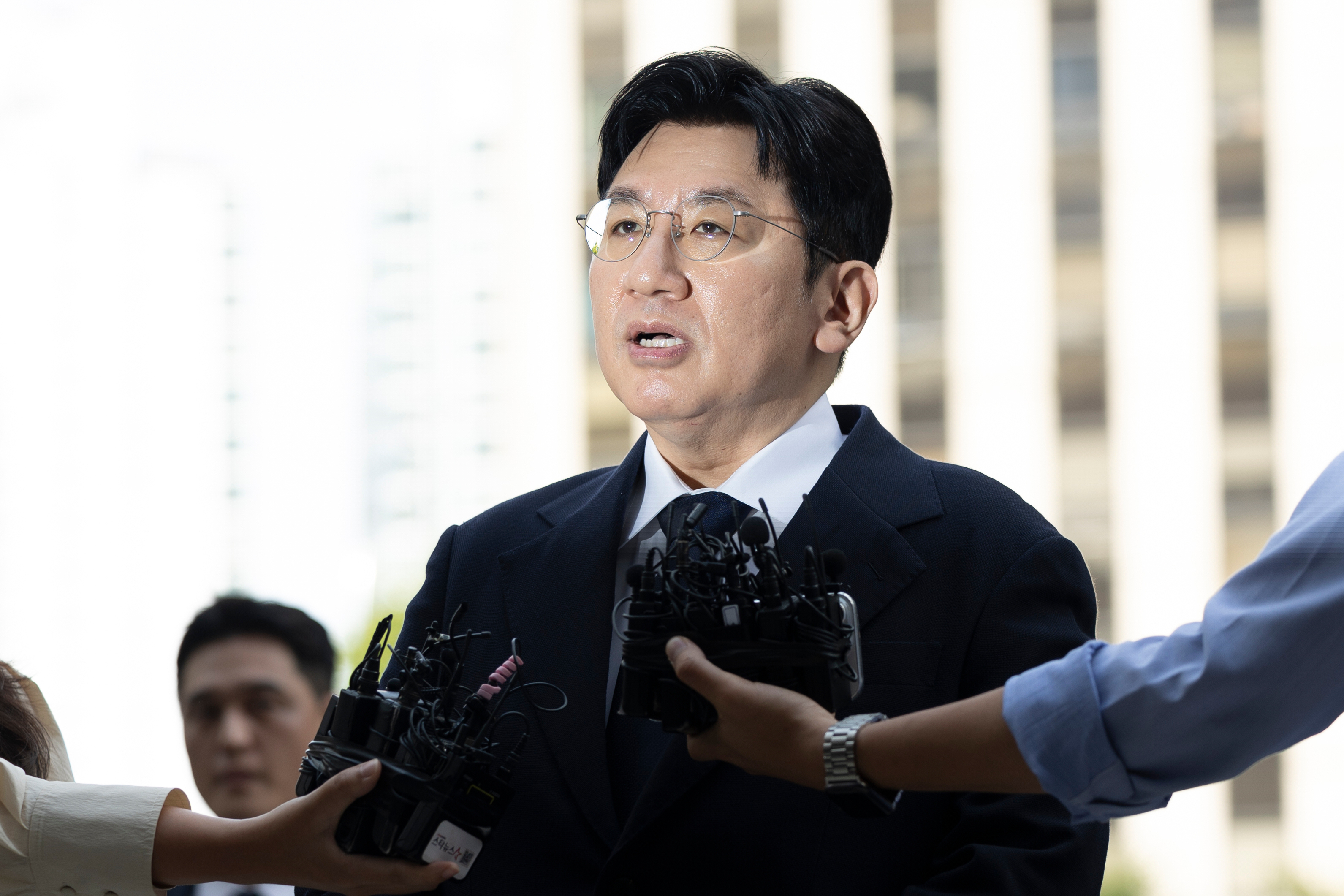
The headlines are screaming about a "mogul in trouble." They want you to believe that the potential police investigation into HYBE founder Bang Si-hyuk is a sudden, shocking lapse in judgment from a man who once seemed untouchable. The mainstream media is feeding you a narrative of a fallen king, a corporate scandal, and a crisis for K-pop's global image.
They are missing the entire point.
This isn’t about a "bad actor" or a specific legal filing. This is the inevitable collision of a 20th-century regulatory mindset with a 21st-century platform monopoly. While the press obsesses over the salacious details of South Korean police inquiries, the real story is the structural rot that occurs when a single entity tries to own the entire cultural output of a nation. We aren't watching a criminal trial; we are watching the messy, necessary disintegration of the "Big Four" dominance that has stifled innovation for a decade.
The Myth of the Untouchable Founder
For years, Bang Si-hyuk was treated as a secular deity in the music business. He didn't just build BTS; he built an ecosystem. But when you build an ecosystem that is entirely dependent on the centralized authority of one man’s vision, you create a massive, single point of failure. The current police scrutiny isn't a glitch in the system—it is the system working exactly as designed.
When a company reaches the size of HYBE, it ceases to be a music label. It becomes a financial instrument. The "Hitman" Bang era of creative risk-taking ended the moment HYBE went public. Since then, every move—from the acquisition of Ithaca Holdings to the aggressive consolidation of domestic labels like Pledis and Source Music—has been about defensive moat-building. The legal heat we see now is the friction generated when that moat starts to trap the people inside it.
I’ve seen this play out in Silicon Valley and Wall Street a hundred times. A founder becomes so synonymous with the brand that any personal inquiry becomes an existential threat to the stock price. The "lazy consensus" says this is a PR disaster. The truth is, it’s a governance disaster that was baked into the IPO.
Why the "Police Probe" Narrative is a Distraction
The obsession with whether Bang will face a summons ignores the tectonic shifts in the Korean Fair Trade Commission’s (KFTC) approach to the entertainment sector. The South Korean government is finally waking up to the fact that K-pop is no longer a "charming export"—it is a critical infrastructure.
When the police start sniffing around a mogul of this stature, they aren't just looking for specific violations. They are testing the structural integrity of the chaebol-style management that K-pop labels have adopted. The "Big Four" (HYBE, SM, YG, JYP) have operated with a degree of vertical integration that would make Standard Oil blush. They control the talent, the training, the distribution, the merchandise, and the fan communication platforms.
The current legal pressure is a proxy war for the soul of the industry. Is K-pop a creative industry or a logistics business? If it's the latter, then Bang Si-hyuk is just another CEO managing a supply chain crisis. If it's the former, the centralization of power in his hands has become the greatest obstacle to the genre's survival.
The HYBE Monopoly and the Price of Success
Let’s talk about the math that the fluff pieces won’t touch. HYBE’s revenue isn't just about record sales; it's about the "indirect involvement" revenue—the stuff fans buy that doesn't require the artist to actually do anything. Weave, the fan platform, is a data-mining goldmine.
When the police investigate "unfair trade practices" or "management irregularities," they are really poking at the predatory nature of the platform economy. I've watched labels burn through millions trying to replicate the HYBE model, only to realize that the model requires a level of control that borders on the authoritarian.
The industry is panicking because if Bang Si-hyuk is vulnerable, the entire "platform-first" strategy of K-pop is vulnerable. If the authorities decide that the lines between personal influence and corporate governance have been blurred, the valuation of every major K-pop firm will need to be slashed by half.
Stop Asking if He's Guilty; Ask Why He's Alone
The most common question people ask is: "Will Bang Si-hyuk go to jail?"
It's the wrong question.
The right question is: "Why does the survival of the global K-pop brand depend on the legal status of one man?"
The centralization of K-pop around "megastars" and "megamoguls" has created a fragile market. We saw it with the fall of Lee Soo-man at SM Entertainment. We saw it with the scandals at YG. The pattern is clear: the industry builds idols out of its executives, and then acts surprised when those executives turn out to be human.
The contrarian view is that this police probe is the best thing that could happen to K-pop. It forces a de-leveraging of the "Mogul Premium." It demands that these companies start acting like transparent, global corporations rather than private fiefdoms.
The Actionable Truth for Investors and Fans
If you are holding stock or emotional capital in the current K-pop power structure, you need to understand three things:
- The "BTS Halo" is Gone: The idea that being the architect of BTS grants lifelong immunity is dead. The South Korean public and the regulatory bodies are increasingly weary of the special treatment afforded to the entertainment elite.
- Platform Risk is the New Market Risk: The investigation into HYBE's management practices is an investigation into how they treat their competitors and their fans. If the KFTC breaks the vertical integration, HYBE becomes just another record label.
- The Era of the "God-Founder" is Over: Any company that cannot survive its founder being questioned by police for 48 hours is not a stable investment.
Imagine a scenario where the "Big Four" are forced to divest their platform arms. Imagine if Weverse had to operate as an independent entity, serving all labels equally. The stock market would hate it. The fans would love it. The industry would finally breathe.
The Cost of the "Global Strategy"
HYBE’s push to become an American-style media conglomerate was always a gamble. By acquiring Scooter Braun’s empire and trying to "Westernize" the K-pop workflow, Bang Si-hyuk invited the kind of scrutiny that local Korean firms usually avoid. You cannot be a global titan and a protected national treasure at the same time. The friction we see now is the cost of that ambition.
The South Korean authorities are under immense pressure to show that "K-Culture" isn't just a front for old-school corporate corruption. Bang is the perfect high-profile target to prove that the rule of law applies even to the man who "saved" the Korean economy through music.
The Final Blow to the Status Quo
The media will continue to report on every "leak" from the prosecutor’s office. They will track Bang’s every movement. They will speculate on the future of BTS’s comeback.
Ignore them.
The real story isn't a criminal one; it's an evolutionary one. K-pop is outgrowing its founders. The "Hitman" era was defined by a single vision that conquered the world. The next era will be defined by whether these companies can survive the accountability that comes with that conquest.
If Bang Si-hyuk has to go through the wringer to prove that HYBE is more than just a cult of personality, then let it happen. The industry doesn't need more moguls; it needs more transparency. The panic you see in the boardroom is just the sound of a legacy system realizing it can no longer hide behind its own PR.
The police aren't just investigating a man. They are auditing an entire business model that has overstayed its welcome.
The party’s over. Now we see who actually owns the floor.