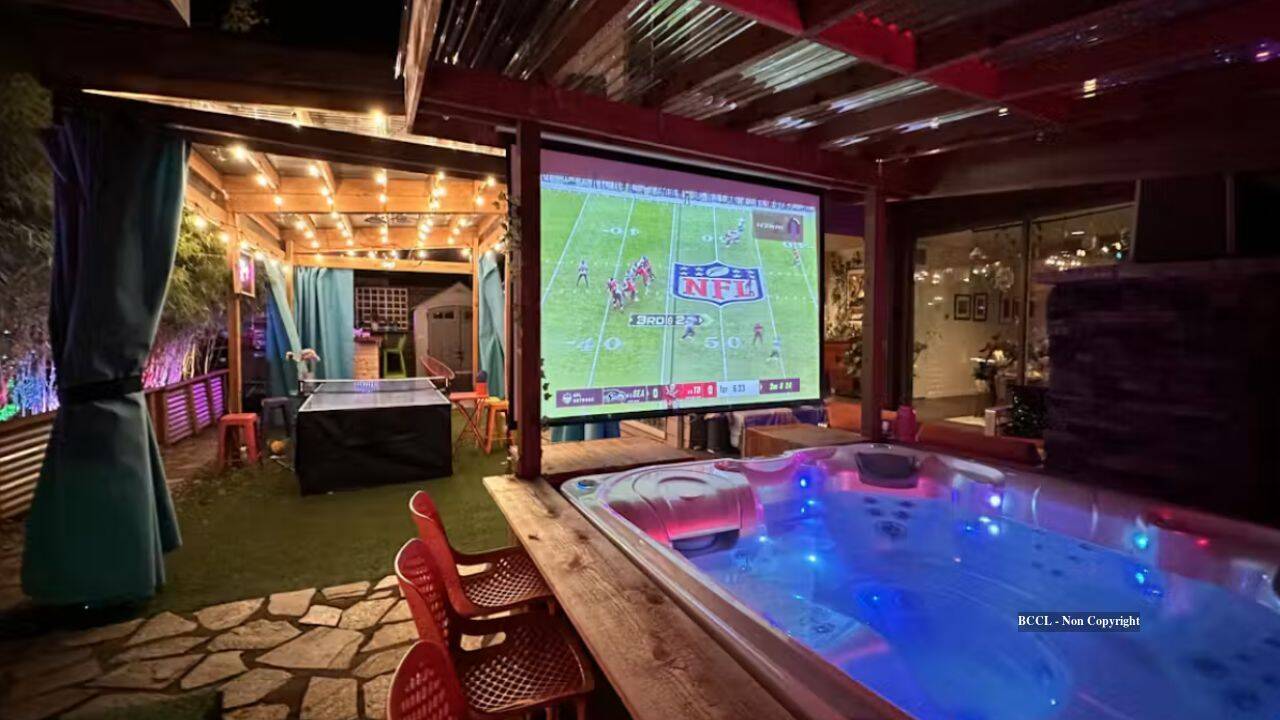
Spend $48,412 on a backyard makeover and pull in $85,000 in rental income. Sounds like a slam dunk. Except it is usually a fairy tale built on fuzzy math, uncounted labor, and wishful thinking.
Real estate media loves a neat before-and-after story. A homeowner in a walkable city with strong tourism or housing demand drops under fifty grand into their yard, markets the space to renters or short-term guests, and suddenly everyone treats it like a repeatable wealth blueprint. Copy the spend. Collect the cash. Retire early.
That lazy consensus is why so many first-time small-scale landlords end up subsidizing a second job that pays less than minimum wage.
The Math Everyone Ignores When Comparing Spend to Gross Revenue
Headline numbers are intoxicating because they flatten time and expenses into a single dramatic contrast. Forty-eight thousand dollars sounds small next to eighty-five thousand dollars. Put those two figures side by side and your brain fills in the rest: pure profit, fast payback, effortless passive income.
That is not how balance sheets work. First, compare apples to apples. A capital outlay is a one-time or periodic investment; gross rental revenue is a top-line inflow over a period of time, not net profit. If someone generates $85,000 in gross bookings over a year or two, you still have to subtract operating expenses before you know whether the space actually made money.
What gets left out of glossy success stories?
- Platform fees and payment processing. Short-term rental marketplaces routinely take a cut from hosts, guests, or both, shaving meaningful percentage points off every reservation.
- Turnover and cleaning. Every guest changeover requires scrubbing, laundry, restocking consumables, and coordination. Even if you clean it yourself, your time is not free.
- Furnishing, staging, and wear-and-tear. A backyard unit or renovated outdoor suite takes heavier physical abuse than a primary bedroom. Mattresses sag, decks weather, plumbing fixtures fail, and outdoor furniture fades in the rain and sun.
- Utilities, insurance, and local taxes. Separate metering is rare on quick backyard conversions, meaning your water, electricity, trash, and internet bills climb. Standard homeowners insurance often excludes or limits commercial rental activity, and many municipalities impose lodging or occupancy taxes.
- Vacancy and seasonality. Rainy months, shoulder seasons, and neighborhood construction slow bookings down fast. A calendar that looks packed in July can sit half-empty in November.
I have watched property owners sink tens of thousands of dollars into backyard builds and patio overhauls expecting a neat payback window, only to realize after eighteen months that once debt service, repairs, cleaning, and taxes are tallied, the "cash cow" barely covers its own upkeep. Worse, they locked cash into an illiquid improvement on a single parcel of land.
Consider a thought experiment. Imagine a scenario where two homeowners each spend $50,000 on backyard rental upgrades in the same city. Homeowner A tracks every hour of project management, every replacement towel, every repair call, and every local tax filing. Homeowner B only remembers the contractor invoice and the total payout from the booking platform. On paper, both look brilliant at a dinner party. In reality, only one of them actually owns a business.
You Are Asking the Wrong Question About Backyard Rentals
People searching for stories like this usually ask: "How can I turn my backyard into an $85,000 rental business?"
That is the wrong question. It starts with a vanity revenue target instead of unit economics, zoning legality, and demand durability.
A backyard is not a blank check waiting for aesthetic upgrades. Depending on your municipality, what you build or rent out might fall under accessory dwelling unit (ADU) rules, detached studio regulations, short-term rental permits, or strict owner-occupancy requirements. In cities like Portland, Oregon—famous for early ADU reform and strong neighborhood character—rules around setbacks, lot coverage, system development charges, and short-term rental registration shape what is legal and what is profitable. If a city restricts short-term stays or requires a permit that takes months to clear, your revenue model changes overnight.
Even when legal, privacy and friction are real bottlenecks. Most people do not want strangers walking past their kitchen window at midnight or dragging rolling suitcases across wet grass while the family dog barks. If your backyard only works when you are away or when guests sneak around quietly, you have built a lifestyle compromise, not a scalable asset.
A sharper question is: Does this specific property have defensible tenant or guest demand at a net margin that beats simpler alternatives?
What "People Also Ask" Gets Wrong About Backyard Makeovers
How much does a backyard makeover cost to turn into a rental?
There is no honest single number because "backyard makeover" means three completely different projects. Sprucing up a patio, adding landscaping, and putting up a privacy fence costs a fraction of building a permitted, insulated, code-compliant living space with plumbing, heating, cooling, and egress windows. Anyone giving you a tidy price tag without knowing your local code requirements, utility hookups, and site access is guessing.
Can you really make $85,000 from a backyard rental?
Grossing $85,000 from a backyard setup is possible only under specific conditions—such as high nightly rates in a high-demand market over an extended timeframe, or multiple units/periods combined—not as a guaranteed baseline for slapping a pergola over a lawn. High gross revenue is not the same as high profit, and peak-season performance rarely repeats evenly across the year.
Is a backyard rental better than investing in index funds or another property?
Better is relative to your risk tolerance, time, and liquidity needs. Broad equity index funds—a benchmark approach long championed by low-cost investing pioneers like Vanguard founder John Bogle—offer instant diversification, zero leaky pipes, and high liquidity, though they do not give you physical control or potential tax-advantaged real estate depreciation. Meanwhile, commercial real estate analysts like Sam Zell built fortunes by focusing relentlessly on basis, cash flow durability, and market cycles rather than falling in love with shiny renovations. A backyard project ties your capital to one address and one set of local laws.
The Unconventional Playbook That Actually Works
If you still want to monetize a backyard without drinking the hype, stop copying viral makeovers and run a tighter playbook.
- Underwrite net operating income (NOI) before buying a single board. Estimate realistic occupancy across all twelve months, not just your best three weeks. Subtract cleaning, maintenance, insurance, utilities, taxes, and platform fees. If the remaining net cash flow looks thin on paper, it will look worse in real life.
- Verify zoning, permitting, and rental rules first. Call the planning department before hiring a designer. Confirm whether the structure can legally be rented nightly, monthly, or annually, and check whether building a habitable space triggers utility upgrades or permit fees that double your budget.
- Design for durability and privacy, not just camera angles. Pinterest-ready finishes look great in photos and fall apart fast under foot traffic. Spend on weatherproofing, sound isolation, durable flooring, easy-to-clean surfaces, and separate access paths so neither you nor your guests feel trapped in a shared yard.
- Match the rental term to your tolerance for hassle. Short-term stays can push gross rates higher, but they demand constant hosting, pricing adjustments, and turnover management. Medium-term stays (such as 30-plus days for travel nurses, corporate relocations, or folks between leases) or long-term tenancies reduce turnover friction, though they cap peak nightly pricing and carry different landlord-tenant laws.
- Price your own labor honestly. If you spend 250 hours managing contractors, shopping for fixtures, messaging guests, and fixing minor issues, divide your net profit by those hours. If that hourly rate makes you cringe, hire help or pick a different asset.
Where This Contrarian Approach Can Burn You
Being skeptical of hype does not make skepticism bulletproof. Going against the crowd carries its own blind spots.
Over-analyzing can stall you forever. Some properties genuinely sit in sweet spots where modest capital improvements unlock strong demand because nearby housing or lodging options are scarce or overpriced. If you wait for a spreadsheet to look 100% risk-free, you might miss a solid local opportunity while competitors lock in early positioning.
Also, treating every backyard project purely like a Wall Street spreadsheet can miss legitimate personal value. A space that offsets mortgage costs, gives aging parents a comfortable place to stay, or serves as a quiet studio when unbooked can deliver value that does not show up on a profit-and-loss statement—provided you do not lie to yourself about the financial return.
Run the real numbers, respect the local rules, and ignore anyone selling a six-figure fantasy off a forty-eight-thousand-dollar receipt.