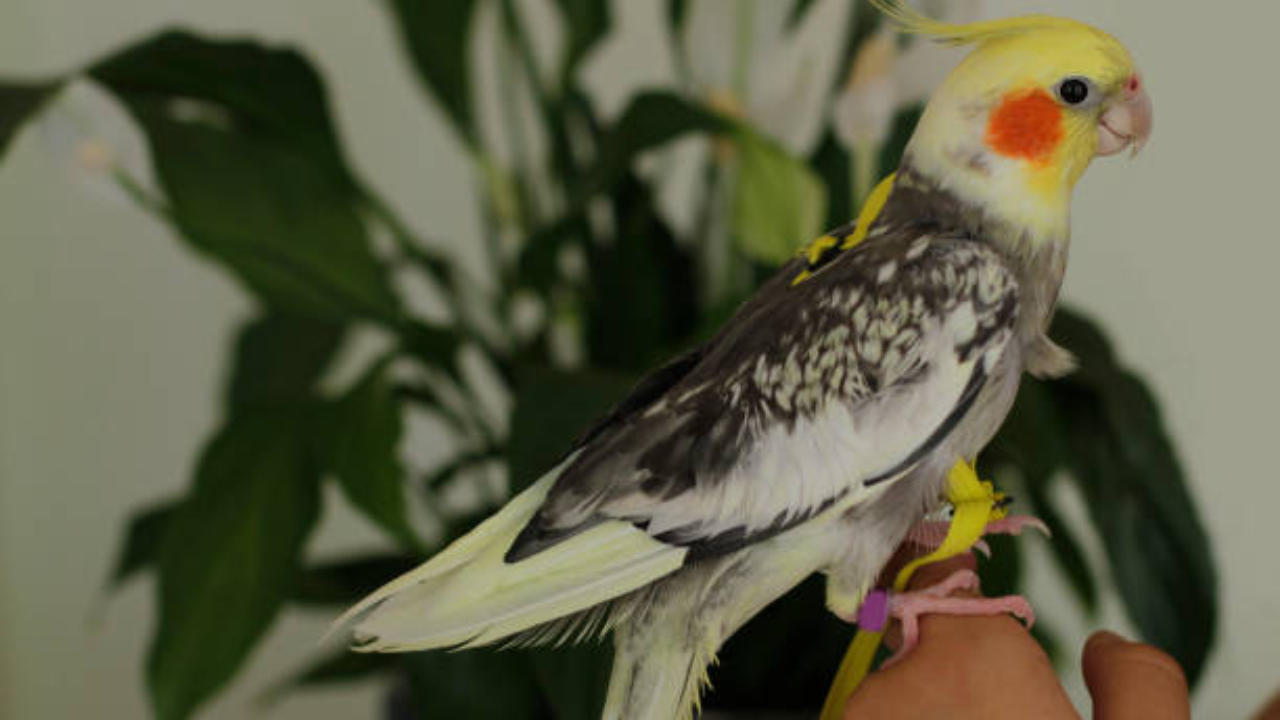
When Aamir Tinwala lost his pet cockatiel, Koco, during the isolation of the pandemic era, he did not simply mourn. The Texas teenager turned grief into raw material, dragging scrap lumber into his garage, picking up a saw, and beginning an initiative that would eventually metastasize into a nationwide conservation network spanning over twenty states. What started as a solitary quarantine project—the Backyard Bird Project—has since evolved past local neighborhood handouts into a structural critique of modern environmentalism. While multi-million-dollar nonprofits debate policy frameworks in climate summits, a teenager with a pile of cedar boards has built over 750 nesting boxes, forcing a hard look at how real ecological work actually gets done.
The standard playbook for urban wildlife conservation relies heavily on red tape. Municipalities commission committees, environmental agencies draft comprehensive multi-year studies, and grant money moves at the speed of glacial drift. Yet native avian populations—from Carolina chickadees to eastern bluebirds—are facing an immediate, structural housing crisis driven by aggressive suburban development and the systematic removal of dead trees, which arborists call snags. Birds do not have the luxury of waiting for city councils to pass zoning amendments for urban green spaces. They need cavities, shelter, and safe breeding grounds right now.
Tinwala’s approach cuts through that institutional friction by decentralizing the remedy. Instead of lobbying for sweeping federal mandates, he built a model based on localized, physical intervention. Homeowners register for a box on his digital platform, and the physical units are constructed to suit specific regional ecologies. A box meant for a Texas wren requires different interior dimensions and hole diameters than a raptor platform or a sparrow box intended for international chapters. This granular attention to biological reality is where massive corporate conservation efforts frequently stumble. They design for broad averages while individual species die out in specific micro-habitats.
Critics of grassroots activism often point to its lack of scale. They argue that individual backyard birdhouses are drops in an ocean of industrial habitat destruction. But that critique misunderstands the mechanics of urban biodiversity. Cities are not ecological deserts by absolute law; they are mismanaged ecosystems. When hundreds of homeowners across multiple states erect properly sized nesting boxes, they create an urban patchwork quilt of safe havens. It alters the carrying capacity of concrete-heavy suburbs.
The numbers tell an interesting story, but the social shift is where the true disruption lies. By hosting community workshops where children, parents, and retirees handle power tools and assemble nesting frames together, the project shifts environmentalism from an abstract source of existential dread into a tactile, manageable chore. People protect what they touch. When a family watches a pair of titmice raise a brood in a box they bolted together themselves, their relationship with their local environment changes permanently. They stop spraying indiscriminate pesticides. They leave dead branches standing. They look up.
This hyper-local mobilization exposes a glaring weakness in institutional conservation pipelines. Large organizations are built to collect donations and broadcast awareness campaigns, yet they routinely struggle to translate cash into direct, community-level labor. Tinwala's trajectory—from a kid hammering away in a suburban garage to a focal point for organizations like Audubon—demonstrates that modern ecological impact requires a hybrid model. It needs the decentralized energy of youth-led movements combined with the distribution reach of established scientific networks.
Of course, building birdhouses will not single-handedly reverse global climate trends or halt the paving over of migratory corridors. It is an imperfect, localized patch on a bleeding wound. Habitat fragmentation requires massive legislative changes, land preservation, and systemic shifts in urban planning. To pretend that a few thousand nesting boxes can fully compensate for millions of acres of lost forests is naive.
Yet cynicism is an easy substitute for action, and institutional delay is often just paralysis disguised as strategy. While policy analysts draft white papers on biodiversity loss, thousands of species face immediate pressures that require physical, low-tech solutions today. The teenager in Texas did not wait for permission or a research grant to begin sawing wood. He picked up a tool, measured twice, and proved that the most effective environmental response is often the one you execute in your own backyard.