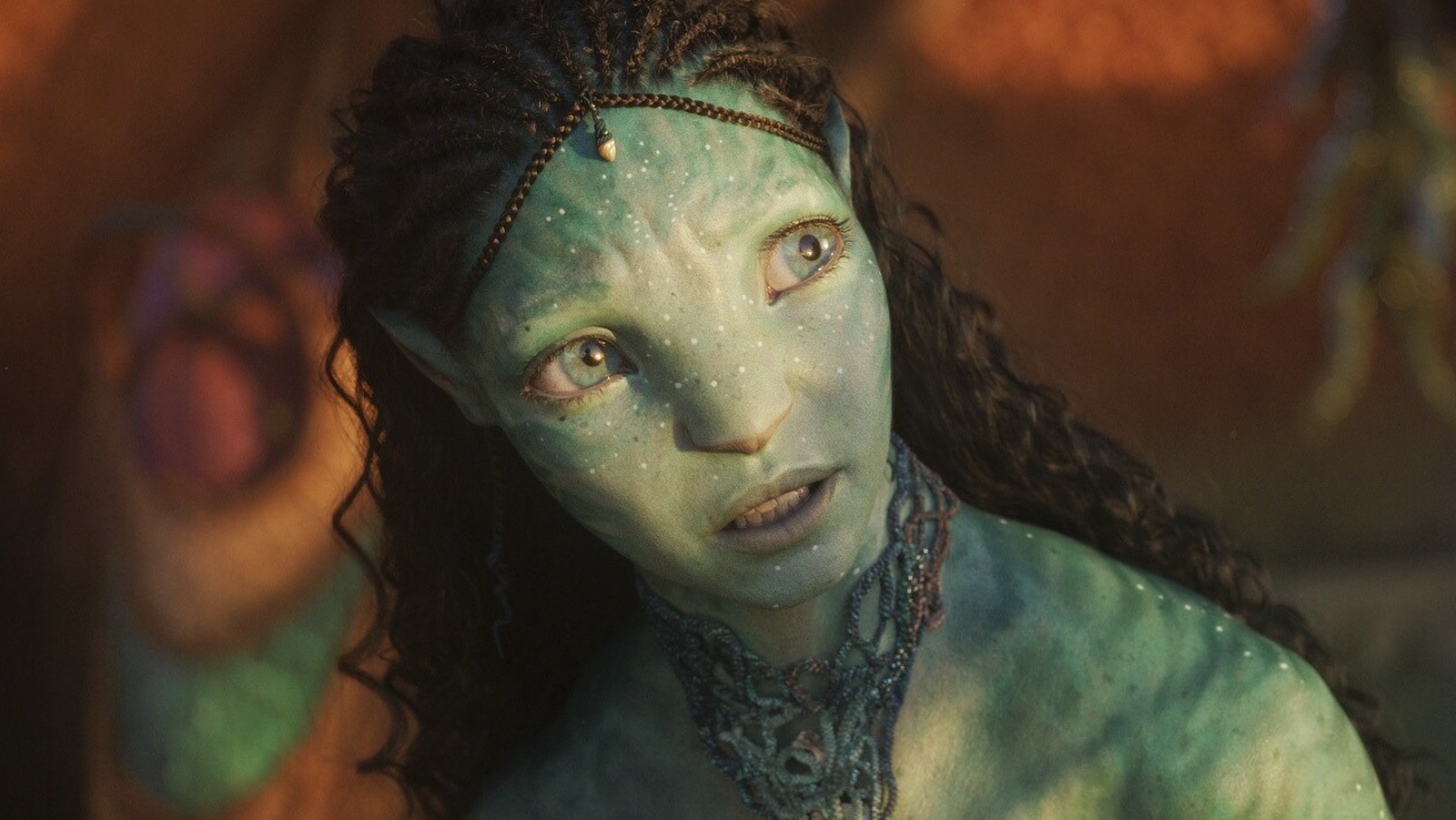
Hollywood is currently eating itself over a legal fight that sounds like science fiction but hits your bank account and identity. If you haven't kept up with the ‘Avatar’ lawsuit involving a background actor and the massive machine behind James Cameron’s franchise, you’re missing the opening shot of a war over digital ownership. It’s not just about blue aliens or big budgets anymore. It’s about who owns the data that makes a face look human.
When you sign a contract to appear in a film, you expect to see yourself on screen. You don’t necessarily expect your bone structure, skin texture, and micro-expressions to be harvested, digitized, and potentially used to train a system that eventually makes your job obsolete. This isn’t a conspiracy theory. It’s the core of a massive legal dispute that’s forcing the industry to rethink every pixel.
The Fight for the Rights to a Face
The recent litigation surrounding the ‘Avatar’ production highlights a terrifying gap in labor laws. An actor claims their likeness was used far beyond the original scope of their agreement. In the old days, if a studio wanted to use your face for a sequel or a toy, they paid a re-use fee. Now, they’re capturing performance data. They aren't just filming you. They’re mapping you.
Once that map exists, the studio has a digital asset. They can tweak it, age it, or put it on a different body. This creates a massive power imbalance. If a studio owns the digital "DNA" of your performance, do they still need to hire you for the next ten years of sequels? Probably not. The lawsuit argues that this isn't just creative license. It's a form of theft that strips an artist of their most valuable asset: their identity.
Why Technical Accuracy Is Killing the Craft
We’ve reached a point where digital doubles are indistinguishable from the real thing. It’s impressive. It’s also deeply creepy for the people working on these sets. During the production of ‘Avatar: The Way of Water’, the level of detail required for performance capture was unprecedented. Cameras were inches from actors' eyes. Sensors tracked every twitch of a lip.
This data is gold. High-fidelity facial data is the fuel for modern visual effects. When a studio collects this, they aren't just making one movie. They’re building a library. The problem starts when that library gets used without clear, ongoing compensation. Actors are realizing that their "one-day shoot" might actually be providing the foundation for a thousand digital characters they’ll never get paid for.
I’ve talked to vfx artists who admit the pressure to automate is coming from the top down. Using a real actor’s data as a "base layer" for an AI-driven character is faster and cheaper than animating from scratch. It saves millions. But it costs the performer their career longevity.
The Myth of the Standard Contract
Most people think actors are protected by big unions and ironclad contracts. That’s a lie for most working professionals. Background performers and day players often sign "all media now known or hereafter devised" clauses. It’s a catch-all phrase that essentially gives the studio permission to use your image in a hologram, a video game, or a neural network on Mars.
The ‘Avatar’ suit is a wake-up call because it challenges these broad terms. You can’t consent to your face being used in a technology that didn't exist when you signed the paper. If the court sides with the performers, it could trigger a massive wave of contract renegotiations across every major studio in Burbank.
What You Aren't Being Told About Motion Capture
- Performance capture isn't just about movement; it’s about biological signatures.
- Studios can "mix" faces, using 20% of one actor and 80% of another.
- Compensation structures for digital residuals are still stuck in the 1990s.
- AI training sets often scrape this high-end footage without specific licenses.
Why This Matters to You
You might think this is just a rich-actor problem. It isn't. The tech being refined on big-budget sets eventually trickles down to consumer software. If a studio can own a professional actor’s face, what stops a corporation from owning yours?
Think about your social media videos or your Zoom calls. We’re already seeing "deepfake" tech being used to scam people or create non-consensual content. The legal precedents set by the ‘Avatar’ case will define the "Right of Publicity" for everyone. If the law says a face is just "data" once it’s recorded, we’re all in trouble. We need to treat facial geometry with the same privacy protections as a social security number or a fingerprint.
The Strategy for Survival in a Digital Economy
The industry won't stop using this tech. It’s too efficient. The only way forward is a radical shift in how we value human input. We should be looking at "data royalties." Every time a character is rendered using a specific performer's facial map, a micropayment should trigger.
The Screen Actors Guild (SAG-AFTRA) tried to tackle some of this in recent strikes, but the ‘Avatar’ case proves the language still has holes. We need specific "Digital Twin" clauses in every contract. These must explicitly ban the use of a performer’s likeness for AI training or generative outputs without a separate, negotiated fee for each instance.
Moving Toward Real Ownership
If you’re a creator or someone worried about their digital footprint, you have to be proactive. Read the fine print on every platform you use. If you’re an actor, stop signing "work for hire" agreements that include broad digital rights without a fight.
The solution isn't to ban the technology. That’s impossible. The solution is to tie the value of the digital output back to the human source. If a character looks like a human, feels like a human, and emotes like a human, there’s a real person's data behind it. That person deserves a seat at the table.
Start by auditing your own digital presence. Use tools like Have I Been Trained to see if your images are already in AI datasets. Support legislation that treats biometric data as personal property rather than corporate "found material." The ‘Avatar’ suit is just the beginning. The real fight is for the right to remain human in a world made of code.
Protect your data. Secure your likeness. Demand transparency in every contract you sign. The era of giving away your identity for a one-time fee is over.


:max_bytes(150000):strip_icc()/Whitney-Leavitt-Jen-Affleck-063025-6249409f3e634d3d8889b627b49eb21f.jpg)