You think of a sunny Saturday morning on the water as the ultimate weekend escape. For a family diving off Michaelmas Island in Western Australia, that escape turned into a nightmare.
Before noon on June 6, 2026, a 35-year-old man was spearfishing with his family when a suspected 15-foot great white shark attacked. His family scrambled to get him back into the boat, racing toward the port city of Albany. Paramedics were waiting at the shore, but the injuries were too severe. He couldn't be revived.
This isn't an isolated tragedy. It's the third fatal shark attack in Australia in just four weeks. If that feels frequent, it's because it is. Australia usually averages about three shark-related deaths per year. We've hit that number in less than a month, bringing the 2026 total to four fatalities.
Something is shifting in the water. To understand why this keeps happening, you have to look at what's actually going on beneath the surface.
The Deadly Pattern In The Water
Look at the timeline. On May 16, 2026, a 13-foot great white shark killed 38-year-old spearfisher Steve Mattabonni near Rottnest Island. Just eight days later, on May 24, 39-year-old Michael Jensz died from catastrophic head injuries after an attack on the Great Barrier Reef, where bull sharks were circling. Now, we have this latest tragedy near Albany.
Three different men. Three different locations. One major common denominator. They were all spearfishing.
Spearfishing puts you directly into the food chain. When you spear a fish, it thrashes. It bleeds. It sends out low-frequency vibrations that act like a dinner bell for apex predators. Local commercial fishers aren't surprised by the spike in activity. Gregory Sharp, a fisherman working the Albany coast, noted that larger sharks always move into the area around this time of year to track schools of salmon and sardines.
The sharks aren't hunting humans. They're competing for the exact same catch as the fishers. When a 15-foot great white is locked onto a target, anything in its path becomes collateral damage.
Changing Oceans Alter Migration Patterns
It's easy to blame bad luck, but marine scientists point to deeper environmental changes. Rising ocean temperatures are throwing historical migratory patterns out of sync. Currents are shifting, and baitfish are moving into new territories, drawing massive predators closer to recreational diving spots.
At the same time, coastal waters are more crowded than ever. More people are diving, surfing, and spearfishing in remote zones. When you combine changing currents, migrating food sources, and an influx of humans in the water, the math turns ugly.
Water quality plays a massive role too. Earlier this year, in January 2026, a 12-year-old boy named Nico Antic died after a bull shark mauled him in Sydney Harbour. That attack happened right after heavy rains left the estuary murky and filled with runoff. Bull sharks thrive in low-visibility environments. They use the cover to ambush prey, and they bite first and ask questions later.
How To Minimize Your Risk
You don't need to abandon the ocean, but you do need to change how you interact with it. The ocean is wild, and pretending it's a swimming pool gets people killed. If you're going into the water, especially in high-risk zones like Western Australia or the Great Barrier Reef, you have to follow strict safety protocols.
- Ditch the solo dives: Every single victim in the recent cluster was diving with others, which allowed for immediate recovery, but solo diving guarantees a worse outcome. Always have a spotter on the boat who keeps eyes on the water.
- Bleed your catch away from you: If you're spearfishing, don't keep dead, bleeding fish attached to your float line or your body. Use a secure drop-bucket or get the catch out of the water and onto the boat immediately.
- Pay attention to seasonal runs: If the salmon or sardines are running, the big sharks are right behind them. Avoid diving in areas with heavy commercial fishing activity or active bait balls.
- Invest in proven deterrents: Use independently tested electrical shark deterrents. They don't make you invisible, but they create an unpleasant field that can cause a curious shark to turn away.
- Check the data before you pack your gear: Use local tools like the SharkSmart app in Western Australia to track real-time tagged shark detections and recent sightings before hitting the beach.
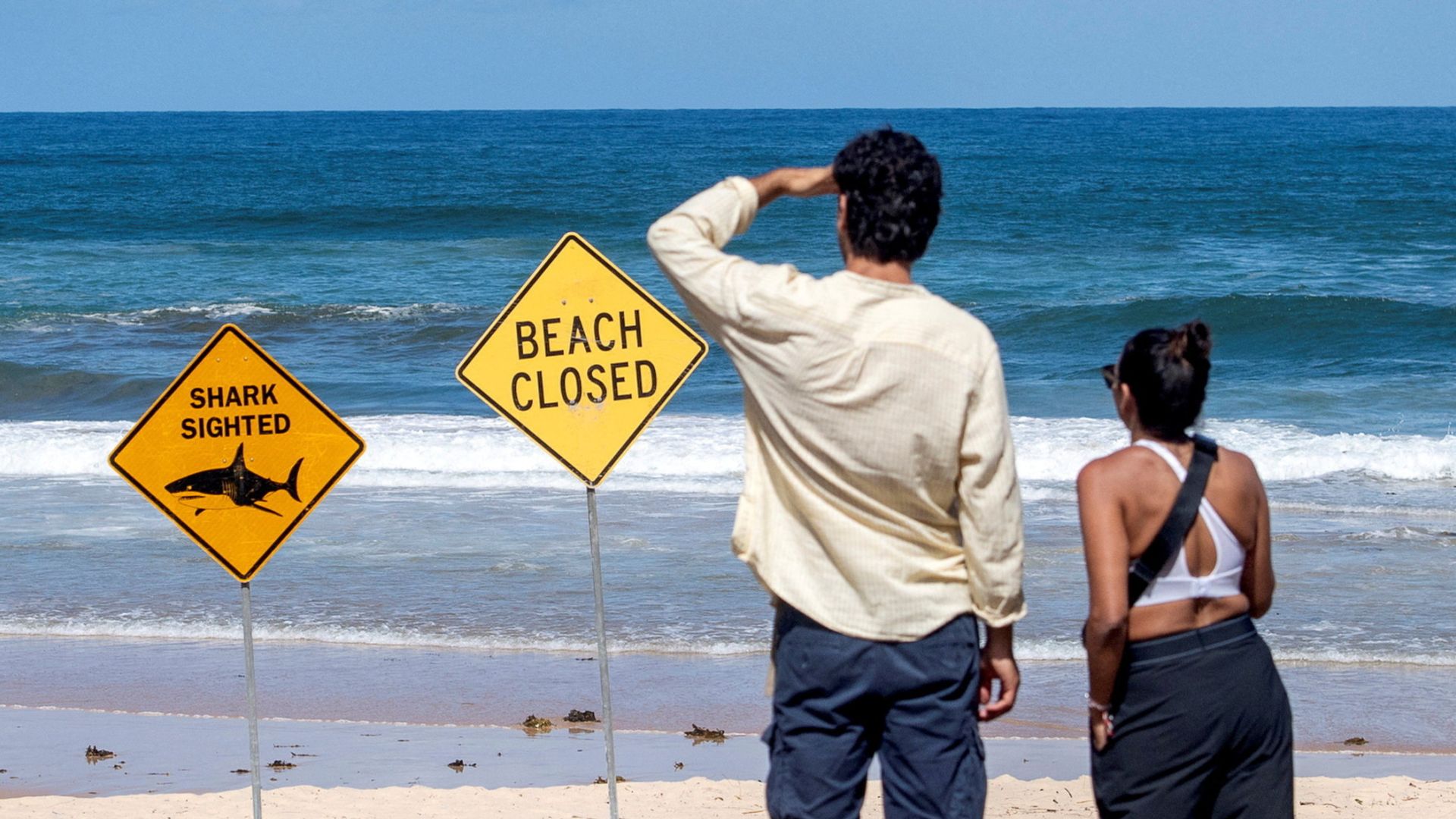
The Department of Primary Industries and Regional Development has urged extra caution around Michaelmas Island and has initiated standard beach closures. Respect the closures. The water isn't going anywhere, but ignoring the warnings might mean you won't be around to dive next season.