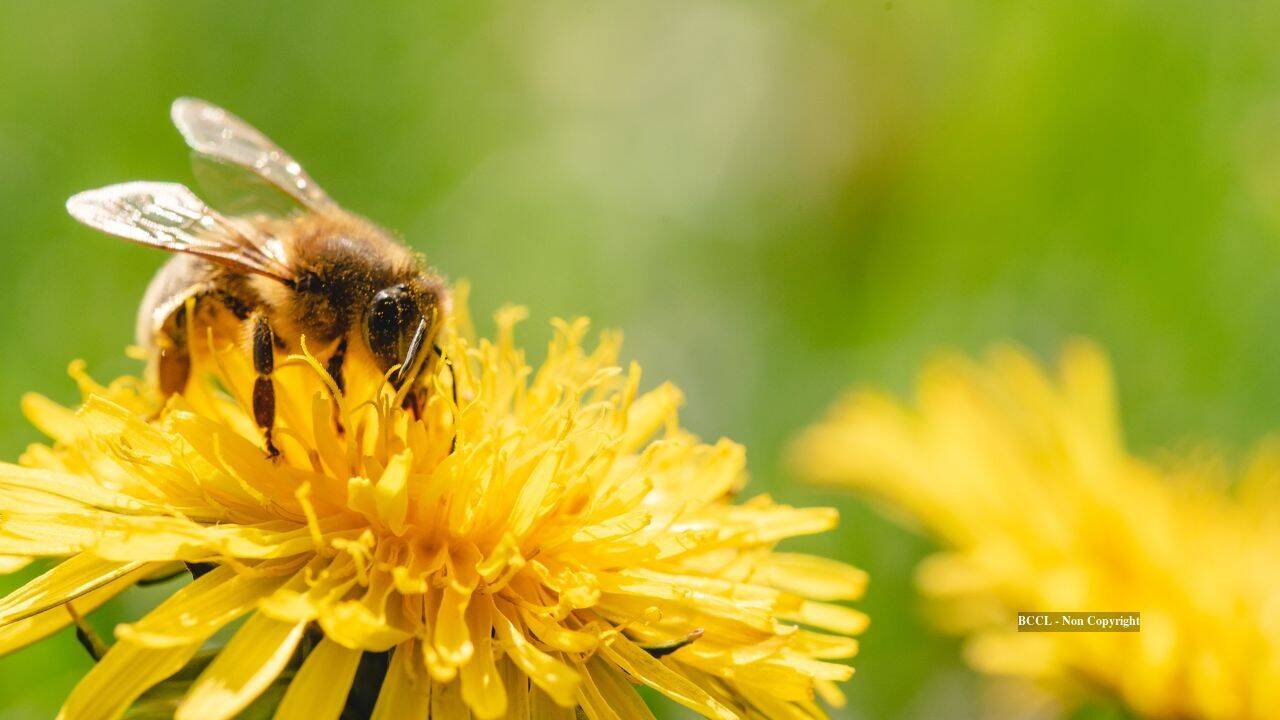
Summer feels like an endless feast for pollinators. Gardens burst with color, meadows wave with heavy grass heads, and backyard hives hum with relentless activity. Walk past any managed apiary in June, and you will hear a steady, thrumming roar of production. Honey supers fill with pale amber gold. The colony population peaks, straining the physical limits of the wooden box.
Then August arrives.
To the casual observer, August is just another warm summer month. Sunflowers still stand tall in farm plots. Lawns might brown slightly, but flowers persist. Yet, beneath this green veneer, honeybee colonies face a brutal biological bottleneck. August is often the hungliest month of the entire year for honeybees. The heavy nectar flows of spring and early summer evaporate, leaving colonies vulnerable to sudden starvation even while temperatures remain high.
Understanding this paradox requires looking past the visual abundance of mid-summer and examining the hard ecological mechanics governing floral availability, agricultural intensification, and colony physiology.
The Mid-Summer Flow Gap
The crisis stems from a sharp ecological mismatch known to beekeepers and conservationists as the mid-summer dearth. Spring brings an explosion of tree blossoms, dandelions, clover, and early perennials. Millions of acres of land offer rich carbohydrate sources. Colonies capitalize on this brief window to rear brood and store winter reserves.
By late July and August, most of those early spring powerhouses have finished their life cycles. Deciduous trees have long since dropped their blossoms. White and red clovers in agricultural pastures have been cut for hay or dried out by intense heat waves.
What replaces them? Often, nothing.
Modern landscapes are heavily homogenized. Vast stretches of land feature monoculture row crops like corn and soybeans. Neither crop offers any nutritional value to honeybees. Corn produces pollen, but it is low in protein quality and lacks the nectar bees require for energy. Soybeans offer sporadic, low-volume nectar flows depending on regional humidity, but they cannot sustain a dense population of foragers.
When wild forage vanishes and agricultural lands offer sterile green deserts, honeybees face a severe deficit. The sheer number of bees inside the hive is at its annual zenith. Tens of thousands of hungry mouths demand daily calories. When the supply drops to zero while demand sits at its peak, the math turns catastrophic.
The Physiology of Scarcity
Starvation in August looks different from winter starvation. Winter losses usually happen because a cluster runs out of stored honey during a freezing snap, unable to break cluster to reach remaining frames. August starvation happens in the heat.
Colonies deplete their honey supers rapidly. Beekeepers often harvest the surplus in late July, removing the safety buffer. If the subsequent dearth hits hard and fast, bees burn through their remaining pantry within days.
Worker bees take desperate risks to find sustenance. They fly farther from the hive, burning more calories than they retrieve. Foragers return exhausted, sometimes dying in the field because their fuel reserves hit absolute zero before reaching home. Inside the brood chamber, the queen cuts back on egg-laying because nurse bees lack the nutrition required to feed developing larvae.
This creates a dangerous demographic shift. The old summer foragers, worn out from weeks of intense labor, die off rapidly. Without incoming pollen to trigger robust brood production, the younger generation fails to materialize in sufficient numbers. The colony population crashes just weeks before the crucial winter bees must be born.
The Urban and Suburban Paradox
Many assume suburban environments provide a safe haven from agricultural dead zones. Lawns, botanical gardens, window boxes, and municipal parks offer a continuous splash of color. Surely, city bees never starve.
Reality proves far more complicated.
Urban and suburban green spaces are heavily manicured. Homeowners demand flawless turfgrass, eradicating clover, dandelions, and creeping Charlie with broadleaf herbicides. Municipalities spray public parks to eliminate weeds. Even when ornamental plants bloom profusely, many modern horticultural varieties are bred for visual appeal, double petals, or extended shelf life at the nursery rather than nectar production.
A hybrid rose might look stunning, but years of selective breeding have often stripped away its nectaries and rendered its pollen sterile or inaccessible. Bees visit these plants, burn valuable energy, and walk away empty-handed.
Furthermore, urban heat islands exacerbate the stress. Pavement and concrete absorb solar radiation, baking the air and accelerating soil moisture evaporation. Flowers prematurely dry up, shutting down nectar secretion weeks ahead of rural counterparts. A suburban backyard can transform into a biological vacuum by mid-August.
Climate Shocks and Phenological Mismatch
Weather patterns over recent years have widened the August gap. Unpredictable spring warm snaps trick fruit trees and early wildflowers into blooming weeks ahead of schedule. Honeybees rush out to exploit the bounty, building up massive populations rapidly.
Then a late frost hits, or a prolonged drought sets in.
The early nectar flow abruptly terminates. By the time August arrives, the landscape is exhausted. Climate volatility has compressed natural bloom schedules, leaving an extended, punishing dry spell between the early summer flush and the late autumn goldenrod bloom.
Drought severely impacts plant physiology. When soil moisture plunges, plants conserve water by shutting down biological processes unrelated to basic survival. Nectar production is an expensive metabolic luxury for a stressed plant. Stressed goldenrod, asters, and smartweed produce little to no nectar during severe dry spells, starving local colonies even when the flowers are physically present.
Practical Interventions for Beekeepers and Landowners
Navigating this precarious month requires active management. Passive beekeeping works well in ancient forests with diverse, undisturbed ecologies, but modern landscapes demand intervention.
Feeding colonies during a severe dearth prevents catastrophic population collapse. However, managing this feed requires caution. Putting liquid sugar syrup on hives during a strong dearth triggers robbing behavior, where strong colonies attack weaker ones, creating an apiary-wide frenzy. Using internal frame feeders or dry fondant helps minimize this risk.
Planting late-season forage makes a measurable difference for backyard keepers and homesteaders. Species like native goldenrod, New England aster, anise hyssop, and boneset bloom reliably through late summer and autumn, providing the vital protein and carbohydrates bees need to bridge the gap until winter.
Property owners can alter their maintenance schedules. Delaying lawn mowing allows wild clovers and dandelions to cycle through their growth phases. Leaving small patches of land wild creates essential micro-habitats where opportunistic weeds can provide emergency rations.
The survival of the colony depends entirely on recognizing that the most dangerous season for honeybees does not arrive with the freezing winds of January. It hides in plain sight under the blistering sun of late summer.
Providing supplemental nutrition or restoring native late-season flora remains the only reliable bridge across the August void