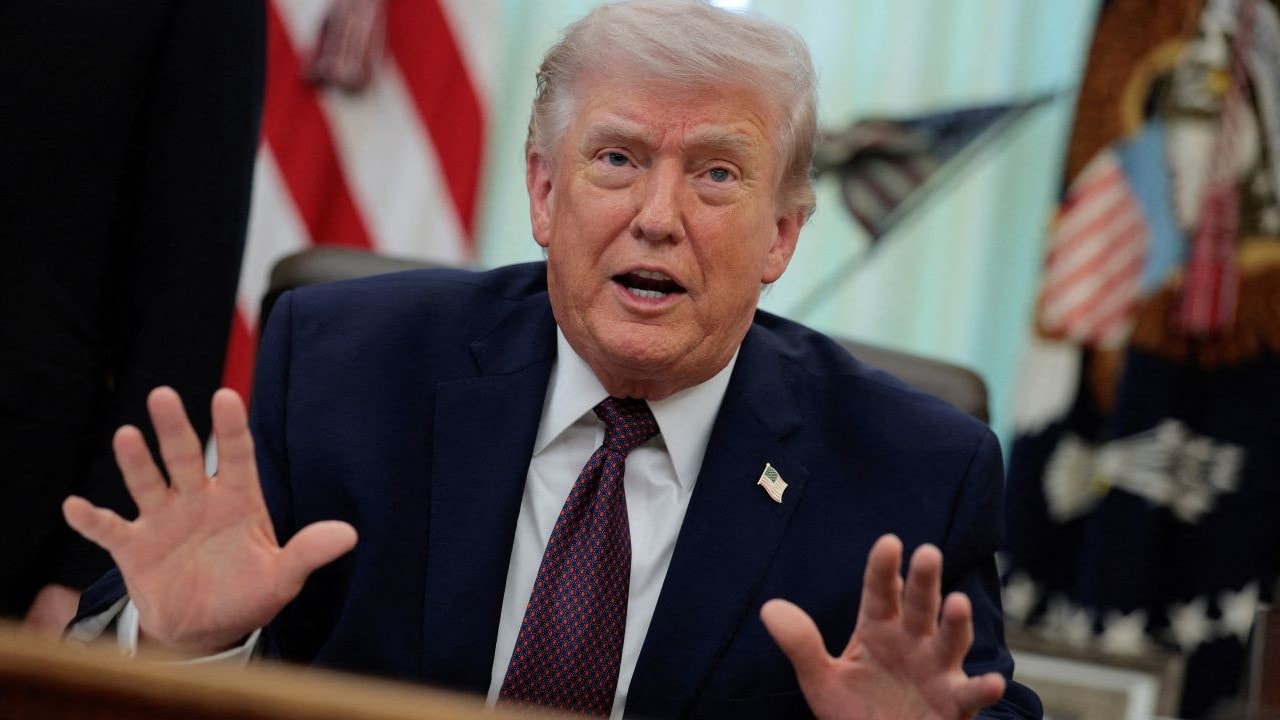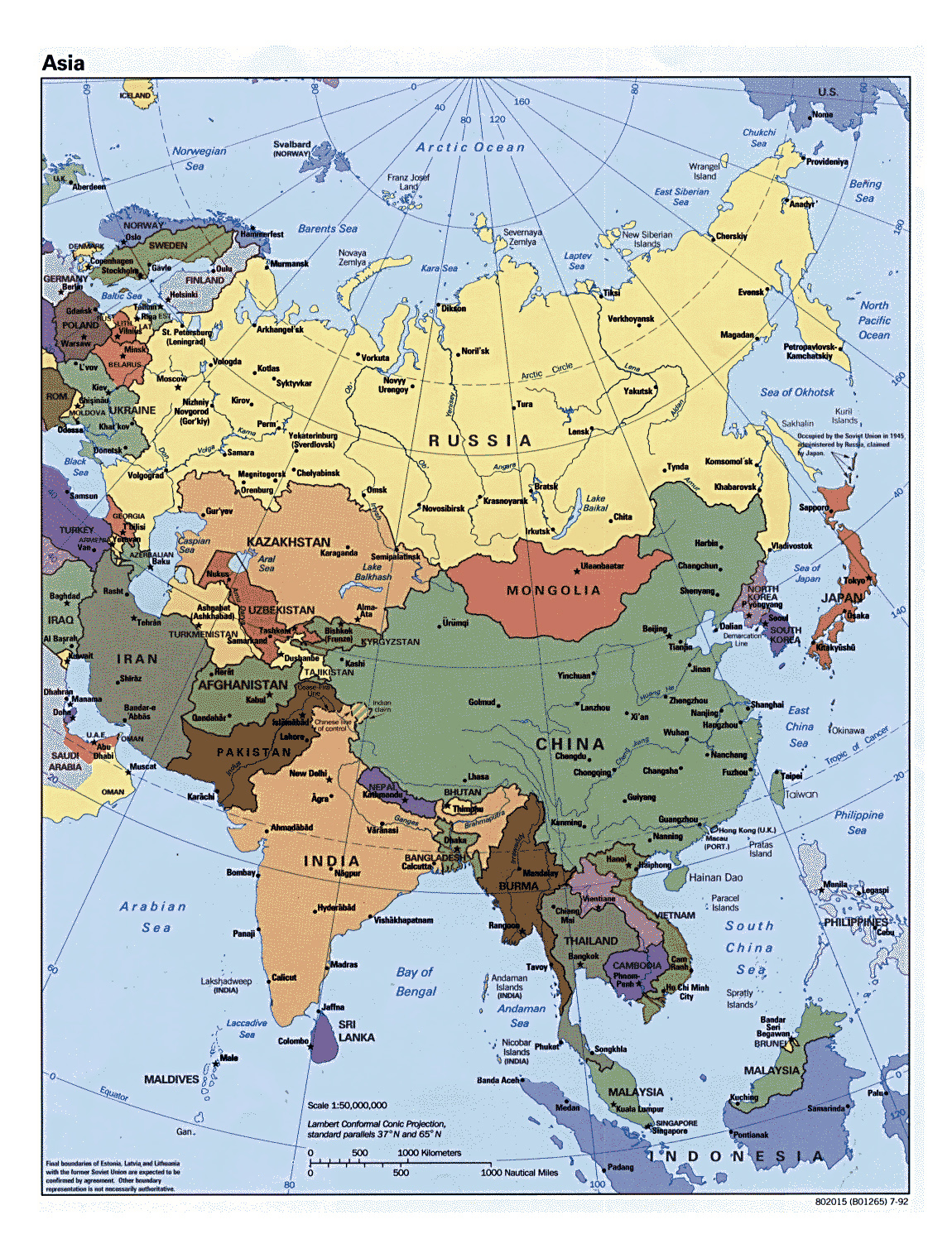
Traders across the Asia-Pacific region are currently caught in a high-stakes squeeze between escalating geopolitical rhetoric and the cold reality of energy supply chains. While early market indicators suggest a cautious climb, the underlying foundation of this optimism is remarkably thin. The primary driver is a volatile mix of Donald Trump’s renewed threats against Tehran and a desperate hope for a diplomatic off-ramp that has yet to materialize. Investors are betting that the bark is louder than the bite, but in the oil-sensitive economies of the East, that is a dangerous gamble to maintain.
The immediate reaction in Tokyo, Hong Kong, and Sydney reflects a classic "buy the rumor" mentality. The rumor, in this case, is that a second Trump administration would prioritize economic stability over actual kinetic conflict. However, this ignores the structural damage that renewed "maximum pressure" campaigns do to regional inflation targets. For countries like Japan and South Korea, which rely almost entirely on imported crude, the mere suggestion of a closed Strait of Hormuz or tightened secondary sanctions on Chinese buyers of Iranian oil is enough to send shockwaves through the Nikkei 225 and the KOSPI. For an alternative perspective, check out: this related article.
The Crude Reality of Energy Dependency
Asia remains the world’s most vulnerable region to Middle Eastern instability. While the United States has achieved a level of energy independence through shale production, the manufacturing hubs of the Asia-Pacific are still tethered to the Persian Gulf. When Trump signals a harder line on Iran, he isn't just targeting a regime; he is effectively taxing every factory in Guangdong and every electronics plant in Seoul.
Market analysts often point to "peace hopes" as a stabilizing factor, but peace in this context is a nebulous term. It usually translates to a lack of immediate missile exchanges. The real threat to Asian markets isn't necessarily a full-scale war, but the slow strangulation of trade through aggressive sanction enforcement. If the U.S. begins penalizing Chinese banks for processing Iranian oil payments, the resulting liquidity crunch would hit Asian tech stocks far harder than a temporary spike in Brent crude prices. Further reporting on this matter has been published by Forbes.
The China Factor in the Sanctions Equation
Beijing has spent years perfecting the art of "tea-kettle" refining—small, independent refineries that take in discounted Iranian barrels outside the traditional dollar-clearing system. If Trump returns to a policy of zero-tolerance for these transactions, the friction between Washington and Beijing will move from semi-conductors to the very fuel that powers the Chinese economy.
Investors in the Hang Seng are currently pricing in a moderate level of tension. They assume that China’s domestic economic struggles will force a level of pragmatism. But pragmatism is a two-way street. If the U.S. uses Iran as a lever to pressure China on broader trade issues, the resulting volatility will not be contained to the energy sector. It will bleed into consumer goods, shipping logistics, and sovereign debt markets.
Why the Current Rally is Built on Sand
The uptick in regional indices shouldn't be mistaken for a vote of confidence in global stability. Instead, it is a reflection of local stimulus measures and a temporary vacuum of bad news. In Australia, the ASX 200 often sees a bump when energy prices rise, as their own mining and gas exports become more valuable. This creates a deceptive "green" screen that masks the pain felt by importers elsewhere in the region.
The mechanism at work here is a flight to safety that hasn't quite decided where "safe" is yet. Gold has seen steady accumulation, and the US Dollar remains stubbornly strong against the Yen. This currency imbalance is the silent killer for Japanese equities. While a weak Yen traditionally helps exporters, the increased cost of energy imports—exacerbated by Iranian tensions—is beginning to outweigh the benefits of cheaper Toyotas on the global market.
The Miscalculation of the Peace Dividend
There is a recurring theme in brokerage notes lately suggesting that Trump is a "deal-maker" who will eventually sit down with Tehran to secure a grand bargain. This narrative is what is keeping the "peace hopes" alive. However, the institutional memory of the first Trump term suggests otherwise. The withdrawal from the JCPOA wasn't a prelude to a better deal; it was the start of a prolonged period of economic attrition.
Traders who are buying into this "peace dividend" are ignoring the regional players who have a vote in the matter. Israel and Saudi Arabia have their own security calculations that don't always align with a stabilized Asian market. Any misstep in the Gulf—a seized tanker or a "shadow war" escalation—would instantly evaporate the 1% or 2% gains seen in morning trading sessions in Singapore or Taipei.
The Logistics of a Market Pivot
If the situation in Iran deteriorates, the pivot will be violent. We have seen this pattern before. It starts with a slow rise in shipping insurance premiums. Then, the freight forwarders begin rerouting. Finally, the "just-in-time" supply chains that define Asian manufacturing begin to seize up.
- Shipping Costs: War risk premiums in the Middle East are already elevated. Further threats will push these costs onto the consumer, fueling the very inflation that central banks in Australia and Japan are desperately trying to cool.
- Currency Volatility: The "Trump Trade" often involves a stronger dollar. For emerging markets in Southeast Asia, like Indonesia and Vietnam, a strong dollar combined with high oil prices is a dual-threat that leads to immediate capital flight.
- Refining Margins: Singapore’s refining hub lives and dies by the spread between crude costs and product prices. High-tension environments compress these margins, hitting one of the region's most critical economic pillars.
The Institutional Blind Spot
The most significant risk is the institutional belief that "geopolitical noise" can be ignored in favor of "macro fundamentals." In 2026, the two are inseparable. You cannot analyze the P/E ratio of a Taiwanese semiconductor firm without accounting for the cost of the electricity used to run the clean rooms—electricity that is often generated by imported natural gas or oil.
The "traders weigh" narrative used by many financial outlets suggests a balanced scale. It implies that on one side you have Trump’s tweets, and on the other, you have a diplomatic process. This is a false equivalence. One side is a concrete policy direction with a track record of implementation; the other is a hopeful projection with no current basis in diplomatic reality.
Identifying the True Market Leaders
In this environment, the stocks to watch aren't the broad index trackers. The real story is told by the defense contractors in Japan, the heavy industrial firms in India, and the renewable energy players in China. These sectors are moving based on the realization that the old energy order is under permanent threat.
India, in particular, finds itself in a precarious position. As a massive importer of Iranian oil in the past, and a current strategic partner of both the U.S. and regional Middle Eastern powers, New Delhi’s market reaction is a bellwether for the rest of the developing world. If the Sensex begins to decouple from the general optimism of the Nikkei, it is a sign that the "maximum pressure" rhetoric is starting to bite where it hurts most.
A Strategy for the Volatile Middle
The smart money isn't betting on peace; it is hedging against the scale of the disruption. We are seeing an increase in long positions on energy futures and a move toward defensive utilities within the Asian markets. The "climb" reported by headline-watchers is largely a function of short-covering and technical rebounds after previous sell-offs. It is not a structural bull market.
To understand the next move, one must look past the midday ticker. Watch the credit default swaps for regional airlines. Look at the inventory levels of strategic petroleum reserves in China and India. These are the indicators that tell you if the market actually believes in "peace" or if it is simply bracing for impact.
The tension between the White House’s rhetoric and the Asia-Pacific’s industrial requirements is reaching a breaking point. Trump’s approach to Iran is not a localized issue; it is a global liquidity event. When the U.S. moves to isolate a major oil producer, the pipes of global finance don't just leak—they can burst. For the traders in Hong Kong and Tokyo, the current "climb" is less about reaching new heights and more about finding a bit of high ground before the tide comes in.
The reality of the situation is that the Asia-Pacific is no longer a passive observer of Middle Eastern policy. It is the primary victim of any disruption. The belief that a "deal" is just around the corner serves as a convenient narrative for day traders, but for the long-term institutional investor, the focus remains on the structural shift toward a more fractured, more expensive, and far more dangerous energy landscape.
The next time a headline suggests markets are "climbing" on peace hopes, check the price of shipping insurance first. If that isn't coming down, the rally isn't real. The risk is not that the threats are real—it's that the market has forgotten how much it hurts when those threats are finally carried out. Stop looking for a "return to normal" and start positioning for a permanent state of friction. That is the only way to survive a market that is currently addicted to the high of a peace that hasn't even been negotiated yet. Adjust your exposure to the dollar, watch the Brent-WTI spread, and stop believing that a tweet is a substitute for a diplomatic strategy. The volatility is the only thing you can actually count on.