Mass arrests following West Bank attacks rarely settle the underlying friction that produced the violence in the first place. When security forces detain a handful of suspects—ten in the headline that sparked this inquiry—foreign ministries routinely issue sharp condemnations within hours. Yet arrests and diplomatic rebukes operate on two different clocks. One responds to immediate tactical pressure on the ground, while the other reacts to political optics abroad, leaving the structural drivers of escalation untouched.
Anyone who has covered conflict reporting and regional security for decades knows the script by heart. A spike in attacks occurs. Patrols intensify, checkpoints tighten, and security agencies announce sweeps and detentions. Abroad, diplomats condemn the violence, warn against escalation, and urge restraint from all sides. The sequence feels almost automatic, a familiar choreography that creates the impression of decisive action while masking how little actually shifts beneath the surface.
To understand why a round of arrests paired with international condemnation so often fails to break a cycle, we have to look past the surface drama of breaking-news alerts. Headlines compress complex security operations and tangled political incentives into neat cause-and-effect stories. Reality is messier. Detentions can disrupt specific cells or deter immediate copycats, yet they can also harden local grievances and test fragile administrative arrangements. Meanwhile, international condemnation carries real diplomatic weight without necessarily changing facts on the ground.
Why Arrests After West Bank Attacks Rarely End the Cycle
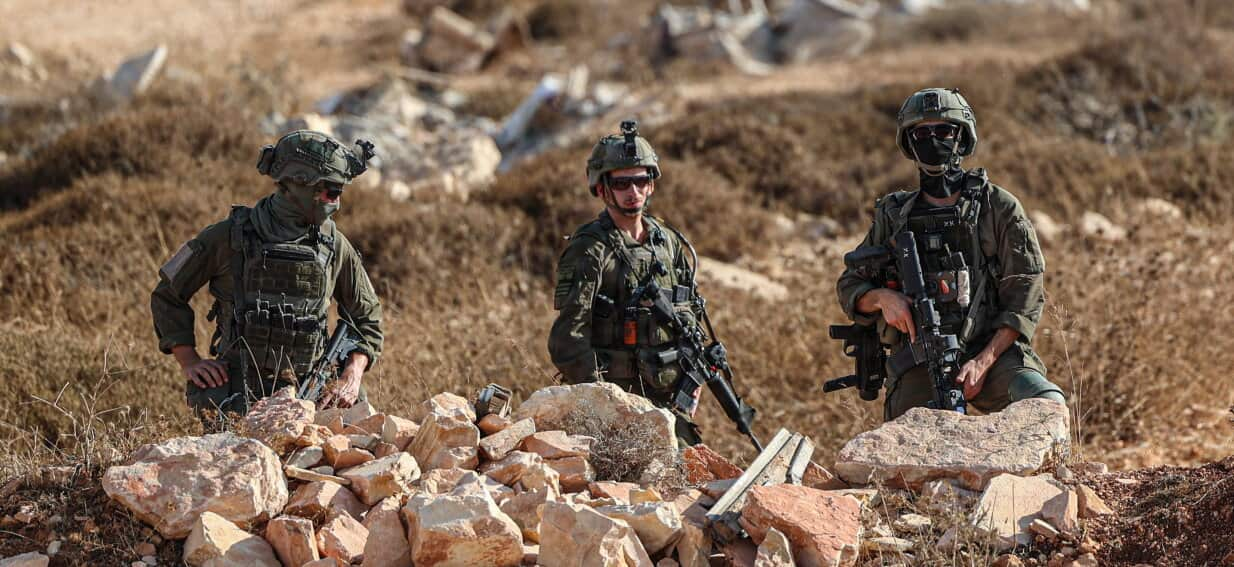
Arrest operations are designed to interrupt threats quickly. Intelligence agencies gather leads, tactical units move in under tight operational security, and suspects are taken into custody before another strike can be carried out. From a purely counterterrorism or public-order standpoint, removing active planners or logistics facilitators is a concrete step. It buys time and signals resolve.
Time is a finite resource in volatile environments. A week or two of quiet after a raid does not prove the root causes have been resolved. Often, arrested operatives belong to loose networks or decentralized cells where replacement is faster than observers outside the region assume. When economic strain, unresolved political status, and daily friction along transit corridors remain constant, recruitment and radicalization do not pause simply because a courthouse docket grows longer.
Consider a hypothetical example to see how tactical success and strategic stagnation coexist. Imagine a security unit detains a suspect accused of coordinating an ambush near a major junction. The immediate threat from that individual drops to zero. Yet if local residents face prolonged closures, lost wages, and heightened suspicion across entire neighborhoods as a result of the broader security response, anger spreads among people who had nothing to do with the original attack. The ledger balances unevenly.
There is also the question of proof, due process, and narrative credibility. Arrest announcements move fast; legal proceedings move slowly. When detentions rely on classified intelligence or administrative measures that outside observers cannot independently verify, skepticism builds quickly among local communities and international watchdogs alike. Credibility matters because security without legitimacy tends to require ever heavier enforcement.
What International Condemnation Actually Achieves
When foreign capitals condemn West Bank attacks, they are speaking to multiple audiences at once. First, they are signaling concern for civilian safety and regional stability, hoping to prevent a localized flare-up from spiraling into a wider confrontation. Second, they are addressing domestic constituencies at home who watch foreign policy through moral and legal frameworks.
Diplomacy has limits that news summaries often gloss over. A strongly worded statement costs very little to draft and can be released before the dust settles. Applying sustained political leverage, conditioning assistance, or coordinating enforceable diplomatic initiatives is far harder. Different governments weigh competing strategic priorities, alliance commitments, and domestic political sensitivities, which makes unified, high-impact action rare.
Sometimes international criticism creates friction rather than traction. Officials on the receiving end of sharp public rebukes may view outside pressure as one-sided or detached from immediate security realities. When condemnation feels detached from lived risk on the ground, it can prompt defensiveness instead of policy shifts. Statements circulate in press briefings and diplomatic cables, while security forces continue operating according to their own threat assessments.
Still, dismissing diplomatic language altogether would be a mistake. Public condemnation helps establish norms, keeps international attention focused on civilian harm, and creates a diplomatic record that matters during negotiations or multilateral reviews. The gap lies not in the existence of the statements, but in treating them as a substitute for durable political or security strategies.
The Information Lag Between Events and Reactions
Modern news cycles reward speed over verification. An attack happens, initial details spread across social feeds, arrests are announced, and foreign ministries react—often within a single news cycle. Early reports frequently contain incomplete facts, disputed accounts, or shifting casualty figures that get refined only days later.
By the time fuller context emerges, public attention has usually moved on to the next crisis. That compressed timeline distorts how audiences interpret West Bank attacks and subsequent crackdowns. A snapshot of ten arrests and a stern statement looks like a complete story arc, even though it captures only one brief turn of a much longer wheel.
Overlooked Factors Behind Escalation
Coverage of security sweeps and diplomatic reactions tends to spotlight dramatic flashpoints while sidelining slower-moving pressures. Economic conditions are a prime example. When movement restrictions tighten, trade slows, permits fluctuate, and households lose income, frustration compounds everyday strain. Desperation rarely creates stability.
Local governance and institutional trust play an equally consequential role. When communities feel that authorities—whether local administrations, security forces, or external mediators—cannot protect daily life or deliver fair outcomes, space opens for harder-line actors. Security operations alone cannot rebuild institutions that citizens view as weak or compromised.
How Narrative Warfare Shapes Every Move
Every incident in the West Bank unfolds inside an intense contest over meaning. One side emphasizes threats to civilians, operational necessity, and the right to self-defense. Another emphasizes occupation pressures, disproportionate force, accountability, and political rights. Even the vocabulary used to describe an arrest or an attack carries immediate political weight.
Outside analysts and readers have to read carefully against those competing frames. Accepting a single official account uncritically leaves out vital context, while flattening everything into slogans erases real distinctions between premeditated violence, law enforcement actions, and civilian harm. Nuance is harder to sell than outrage, yet it is the only way to see what is actually driving events.
Practical Ways to Read Future Coverage Clearly
Readers following West Bank attacks and their aftermath do not need insider access to spot better journalism. They just need to ask sharper questions when a new wave of headlines hits.
- Check the timeline between the initial incident, the arrests, and any diplomatic statements to see what facts were confirmed versus preliminary.
- Look beyond headcounts of detainees to ask who was arrested, under what legal authority, and what broader restrictions accompanied the operation.
- Separate rhetoric from leverage when reading international condemnation, noting whether words are paired with concrete policy actions or remain standalone statements.
- Track daily conditions such as movement rules, economic access, and community impact, which often predict future tension better than single-day news flashes.
Arrests may clear a tactical hurdle today, and diplomatic statements may register moral concern tomorrow, yet lasting calm requires addressing the pressures that keep generating the next crisis.