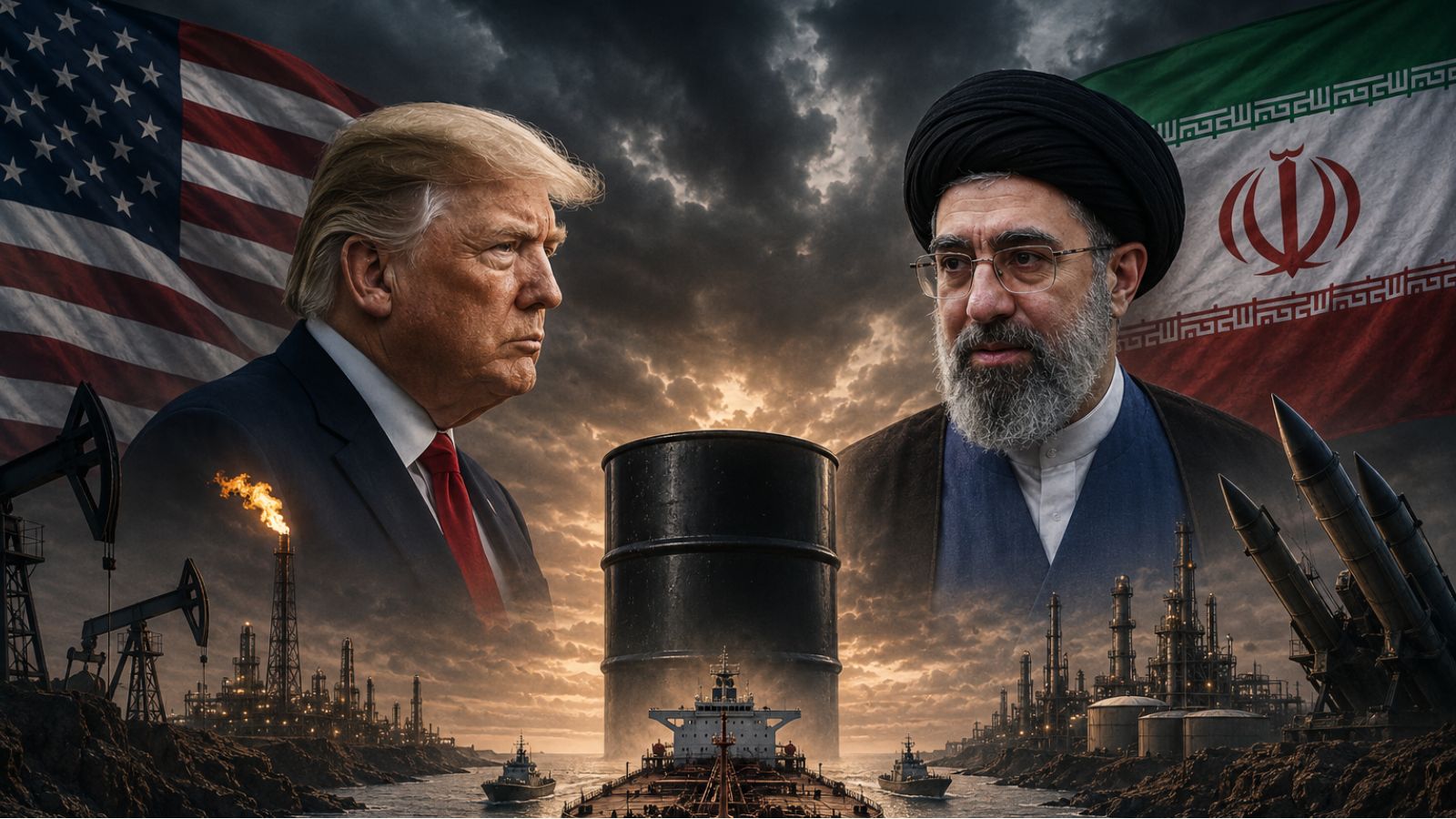
Military campaigns framed around speed rarely survive contact with asymmetric geography. When the Pentagon initiated operations against Iran under the banner of a swift, decisive campaign, the operational logic relied on immediate shock to alter state behavior. Six months into the theater, that calculation has collapsed. The decision by War Secretary Pete Hegseth to extend force deployments into 2027 reveals a structural misalignment between political timelines and logistical reality. Approximately 50,000 American service members remain anchored across the Middle East, caught in an open-ended posture that forces a re-evaluation of force management, naval sustainment, and regional deterrence.
The Operational Cost Function of Prolonged Force Rotations
The primary friction point in maintaining a sustained posture resides in the institutional wear inflicted on specialized units. Modern military readiness is not merely a headcount; it is a function of equipment life-cycles, technical availability, and personnel retention.
Air Defense Strain
Army air-defense units tasked with intercepting ballistic missiles and asymmetric drone payloads operate at a perpetual high operational tempo. Standard deployment cycles of nine months have stretched to twelve months or longer for critical batteries. This compression of the dwell-to-deployment ratio causes structural degradation across several vectors:
- Hardware maintenance backlogs multiply because Patriot and terminal defense systems require depot-level overhauls that cannot be performed in forward operating environments.
- Operator fatigue increases error rates in complex tracking and intercept sequences.
- Institutional burnout drives mid-career retention deficits among technical specialists who face indefinite tour extensions.
Naval Sustainment Bottlenecks
Enforcing maritime blockades and protecting transit lanes through the Strait of Hormuz requires continuous capital asset deployment. With roughly nineteen warships actively tied to the regional posture, the US Navy faces acute resupply limitations. Traditional maintenance windows at regional hubs have compressed, forcing reliance on distant logistics nodes like Diego Garcia. Crew rotations are delayed, limiting off-ship respite and degrading asset availability for other global theaters such as the Indo-Pacific.
The Strategic Contradiction Between Economic Pressure and Military Readiness
White House deliberations reveal an internal tension between declaring a nominal end to hostilities and preserving active combat optionality. The strategic bet relies on economic asphyxiation—using broad sanctions and secondary penalties to induce regime capitulation or nuclear dismantlement from Washington. However, economic coercion without active military de-escalation creates a dangerous operational vacuum.
When political leadership signals an intent to wind down operations while commanders simultaneously request baseline forces for potential ground actions or island seizures near the Strait of Hormuz, the armed forces are left holding an ambiguous mandate. This ambiguity prevents proper force drawdown yet fails to provide the clear objectives necessary for a definitive victory. The Islamic Revolutionary Guard Corps exploits this gap through decentralized, low-cost harassment, including intermittent mine-laying and asymmetric strikes that force the US to expend multi-million-dollar interceptors against low-cost munitions.
Force Allocation Mechanics and Global Opportunity Costs
Maintaining a 50,000-troop footprint in the CENTCOM area of responsibility directly impairs strategic depth elsewhere. Military planners face a zero-sum allocation problem where forces assigned to counter Iranian proxies are pulled from rotation pools intended for European deterrence or Pacific contingency planning.
When units from foundational formations like the 82nd Airborne Division have their operational windows extended indefinitely, the joint force loses its rapid-response flexibility. The opportunity cost of keeping these assets fixed in the Middle East is the systematic erosion of global response capability. If deterrence fails in a secondary theater while primary assets are consumed by maritime policing and missile defense in the Persian Gulf, the structural risk to overall national defense posture multiplies.
Operational Adjustments Required for 2027 Posture Management
To prevent terminal readiness degradation as the campaign bleeds into next year, military planners must transition from reactive crisis management to structured force architecture reform.
- Implement strict rotation caps that protect technical air-defense specialists from continuous over-deployment, accepting temporary gaps in regional sensor coverage if necessary.
- Shift heavy reliance on surface combatants toward distributed, land-based counter-drone systems and unmanned surface vessels to reduce the maintenance burden on deployed naval crews.
- Decouple the political timeline of economic sanctions from tactical force posture by establishing a fixed threshold for asset withdrawal that is independent of ongoing diplomatic friction.