Monopolizing the informal food service industry inside high-density infrastructure developments requires zero technological innovation. It depends entirely on the exploitation of geographic isolation, compressed delivery timelines, and regulatory oversight deficits. The enforcement operation by law enforcement resulting in 125 arrests within a regional building site meal syndicate exposes how criminal organizations convert localized demand spikes into captive, high-margin cash extraction engines.
Understanding this racket requires looking past the street-level violence and focusing on the underlying economic architecture. By analyzing the supply chain vulnerabilities of rapid urban development zones, we can map the exact financial and physical mechanisms used to execute structural extortion.
The Economics of Localized Supply Monopolies
Rapid urban expansion, particularly the surge in residential infrastructure development in localized corridors like East Kowloon, creates transient micromarkets with severe structural imbalances. A high volume of manual laborers requires caloric intake within strict, inflexible mid-day windows. When formal commercial retail infrastructure is absent due to ongoing construction, a supply vacuum emerges.
The criminal syndicate exploits this vacuum through a highly optimized operational framework designed to secure an artificial monopoly.
[Demand Surge: Concentrated Labor Force]
                 │
                 ▼
[Supply Deficit: Zero Commercial Retail Infrastructure]
                 │
                 ▼
[Syndicate Intervention: Enforcement of Closed Market via Coercion]
                 │
                 ▼
[Value Capture: Above-Market Pricing & Unlicensed Low-Cost Production]
The Cost Function of Sub-Standard Production
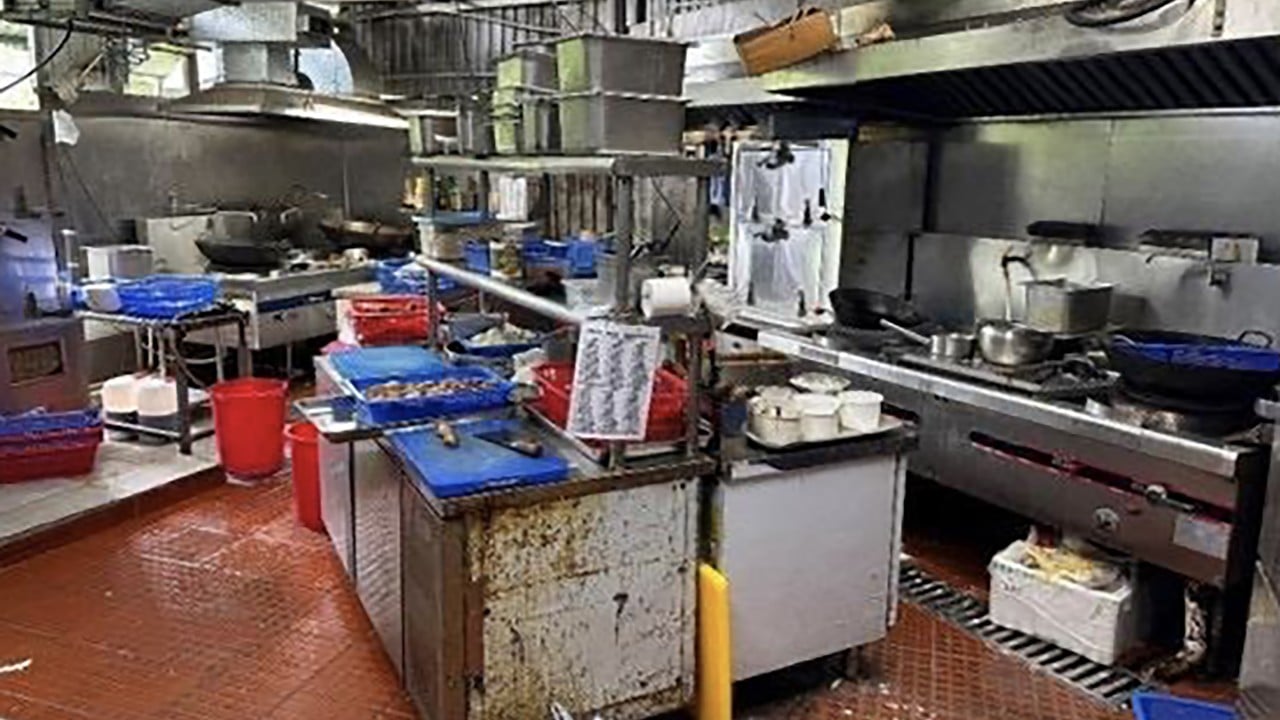
To maximize net margins, the criminal entity decouples production from regulatory compliance frameworks. The establishment of an illegal food preparation facility in an un-zoned tin shed in Sai Kung reveals the cost-reduction strategy:
- Elimination of Real Estate Overhead: Utilizing rural shacks bypasses commercial leasing costs and municipal zoning fees.
- Circumventing Sanitation Compliance: Avoiding occupational health inspections eliminates the capital expenditures needed for commercial refrigeration, grease traps, and clean-water supply lines.
- Labor Exploitation: Hiring unregulated workers under informal agreements suppresses the baseline wage expense below statutory minimums.
This operational profile enabled the production of roughly 800 lunch boxes per day. At a unit cost point of HK$50 per box, the facility generated approximately HK$1 million in gross monthly revenue. Because the production cost function was stripped of compliance overhead, the net profit margin significantly exceeded that of legitimate catering enterprises.
The Coercive Extraction Framework
Monopolizing a market requires blocking external competitors who offer better quality or lower prices. The syndicate achieved market insulation through two distinct tactical mechanisms: supply substitution and the protection rent model.
1. Total Supply Substitution
When the syndicate sought full operational control over a specific construction zone, they used targeted physical disruption to drive out legitimate vendors. This strategy targeted independent operators who lacked organizational backing.
The process relied on a predictable progression of enforcement:
Phase 1: Verbal Warning – Syndicate operatives issued explicit notices to independent delivery drivers to cease operations in the targeted zone.
Phase 2: Asset Destruction – If the vendor returned, operatives damaged their physical capital, including vending carts, coolers, and transport vehicles.
Phase 3: Physical Violence – Directed intimidation and assaults targeted the staff of non-compliant vendors to force a permanent exit from the local market.
2. The Protection Rent Model
For larger, established food suppliers that could not be easily driven out, the syndicate pivoted to a rent-extraction model. Instead of replacing the supplier, they levied a flat-rate tax, often termed a site protection fee.
This tax ranged from several thousand to tens of thousands of dollars per month per site. The economic consequence of this fee is a direct upward shift in the legitimate vendor's fixed cost curve. To maintain profitability, the legitimate vendor must either absorb the loss or pass the cost onto the consumer by raising meal prices or reducing portion sizes. In both cases, the syndicate extracts wealth without adding any economic value to the supply chain.
Law Enforcement Countermeasures and Structural Vulnerabilities
The multi-agency crackdown, led by specialized organized crime bureaus, highlights how difficult it is to gather evidence against embedded extortion rackets. Because victims fear retaliation, traditional reporting mechanisms often fail.
To bypass this barrier, law enforcement had to deploy undercover operatives posing as independent food vendors within targeted construction zones. This proactive strategy triggered an immediate, predictable response from the syndicate, providing the clear evidence of coercion, property damage, and extortion needed for prosecution.
| Operational Metric | Syndicate Asset Profile |
|---|---|
| Total Arrests | 125 individuals (48 male, 77 female) |
| Age Distribution | 22 to 81 years |
| Seized Assets | HK$4 million (Cash, luxury assets, delivery vehicles) |
| Laundering Volume | HK$64 million in suspected criminal proceeds |
The wide age distribution and high number of female transparently show that the syndicate used a complex network of bank account holders to layer and launder money. This approach kept the daily physical extortion operations separate from the broader financial network used to store the profits.
Long-Term Preventive Countermeasures
Dismantling the financial structures of these syndicates through asset forfeiture is an effective short-term fix, but preventing these rackets long-term requires changing how construction sites are managed. Relying purely on retroactive law enforcement lets criminal groups exploit the same infrastructure gaps over and over.
The long-term solution requires general contractors to integrate food service logistics directly into their project planning phases.
Project management teams can eliminate the supply vacuum by using formalized procurement processes:
- Mandatory On-Site Vendor Provisioning: Main contractors should include licensed mobile catering contracts within the initial site logistics plan, guaranteeing transparent, secure access for verified businesses.
- Physical Access Control and Credentialing: Implementing strict electronic access control systems at site perimeters stops unauthorized delivery teams and syndicate enforcers from entering the property.
- Subsidized Institutional Kitchens: For mega-projects, building temporary on-site kitchen facilities managed by certified corporate catering firms completely removes the market share available to outside illicit operators.
Migrating from an informal, unmanaged food supply market to a structured, contract-governed system removes the structural vulnerabilities that criminal syndicates exploit. If project developers do not secure these supply lines early in the planning phase, the high density of workers will continue to attract syndicates looking to enforce high-margin, informal monopolies through coercion.