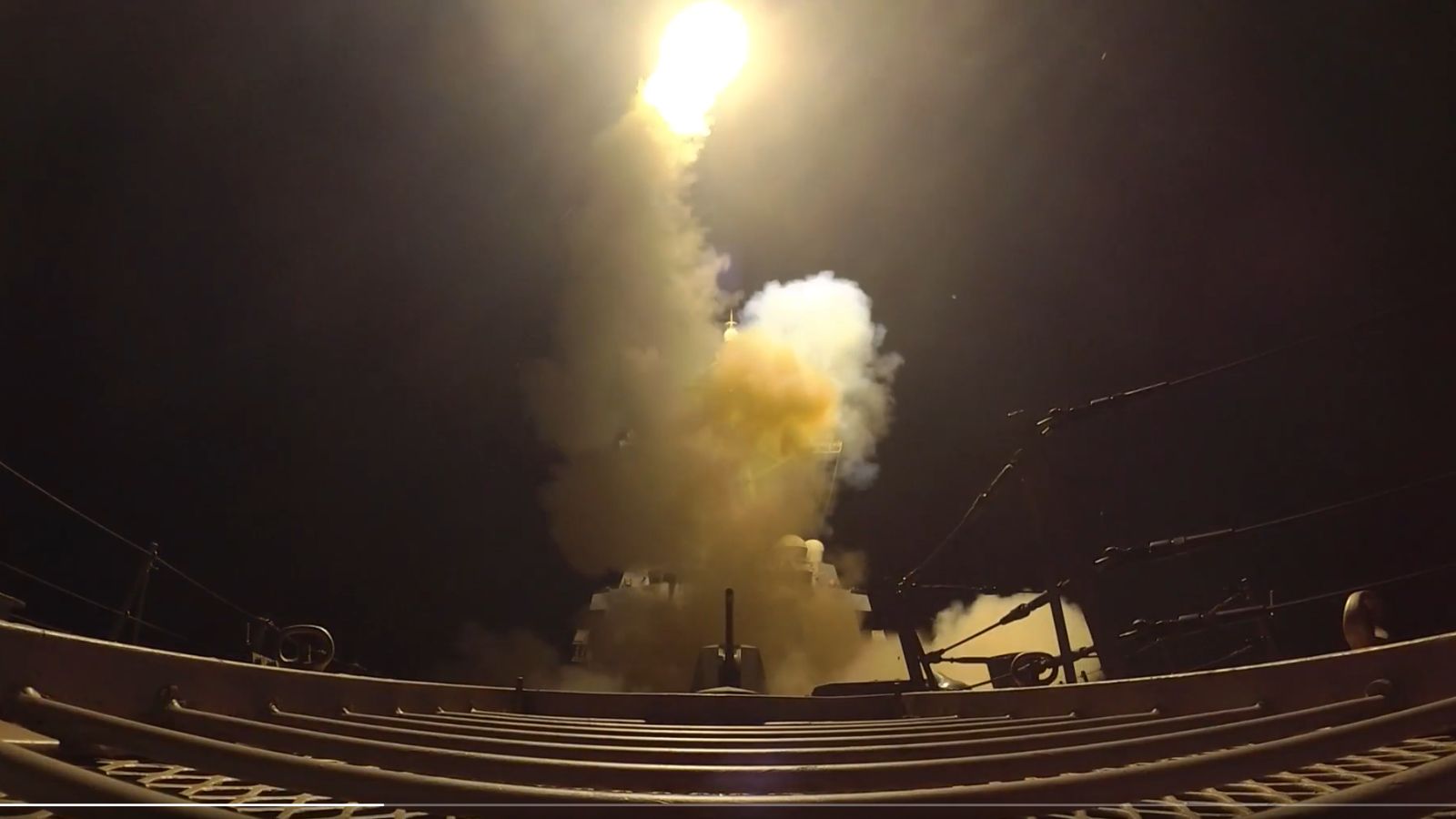
The expansion of kinetic operations in the Middle East theater represents a structural breakdown of traditional deterrence frameworks rather than an isolated series of tactical exchanges. When state actors transition from proxy warfare to direct regional strikes targeting sovereign infrastructure in neighboring states, the escalation ladder shifts from manageable asymmetric friction to systemic disruption. Understanding this shift requires a rigorous evaluation of the operational mechanisms driving state decisions, the logistical vulnerabilities of regional energy corridors, and the mathematical realities of missile defense saturation.
The Mechanics of Deterrence Failure
Deterrence operates on a binary calculation of cost imposition and capability demonstration. When initial strikes fail to constrain an adversary, the breakdown stems from a misalignment in three core operational variables:
- Target Valuation Dichotomy: The attacking party underestimates the adversary's willingness to absorb structural damage to protect its strategic depth.
- Escation Dominance Asymmetry: One actor mistakenly assumes it controls the upper limits of the conflict scale, failing to anticipate that the adversary views total regional disruption as an acceptable outcome.
- Proxy Integration Velocity: The speed at which non-state networks sync their kinetic outputs with direct state actions outpaces the diplomatic de-escalation cycles.
Redefining the Escalation Ladder
Traditional geopolitical assessments treat military actions as linear steps. A realistic operational view maps these actions across a multi-dimensional matrix where horizontal escalation (geographic expansion) occurs simultaneously with vertical escalation (increased destructive capacity).
The targeting of non-combatant regional states such as Bahrain, Kuwait, and Jordan serves specific strategic functions within this matrix:
- Geographic Neutralization: Forcing third-party nations to deny airspace access to extra-regional superpowers, restricting western operational mobility.
- Economic Transmutation: Converting a localized military disadvantage into a global economic liability by threatening maritime choke points and logistics hubs.
- Kinetic Distribution: Dispersing the air defense assets of an opposing coalition across multiple axes, reducing the concentration of interceptors protecting high-value targets.
The Cost Function of Air Defense Interception
A critical bottleneck in sustained regional conflicts is the stark economic and inventory asymmetry between offensive strike platforms and defensive interceptor systems. This dynamic can be modeled through the Interception Sustainability Index, which weights the unit cost and production cycle of defensive missiles against the deployment velocity of offensive systems.
Inventory Depletion Rates
Defensive arrays, such as Patriot batteries and specialized regional defense systems, rely on interceptors that cost millions of dollars per unit and require multi-year manufacturing leads. Conversely, the offensive matrix deployed in regional strikes utilizes low-cost loitering munitions, ballistic missiles, and land-attack cruise missiles.
The structural vulnerability manifests when an adversary uses mass saturation tactics. By launching coordinated salvos containing dozens of low-tier drones alongside a small cluster of precision ballistic missiles, the offensive actor forces the defensive system to expend high-value interceptors on cheap decoys. This creates a critical operational bottleneck:
- Radar Channelization: Fire control radars possess fixed limits on the number of targets they can track and engage simultaneously. Saturation attacks overwhelm these processing limits.
- Magazine Depletion: A battery that fires its ready-to-launch interceptors faces a significant time lag for replenishment, leaving the protected infrastructure vulnerable during the reload window.
- Asymmetric Attrition: The financial cost to defend a square kilometer of airspace under sustained saturation conditions outpaces the economic capacity of the defender by orders of magnitude.
Logistics and Supply Chain Vulnerabilities in Key Corridors
The geographic realities of the Persian Gulf dictate that any kinetic friction immediately impacts global supply chains, specifically through the transit constraints imposed on energy and containerized freight.
The Maritime Choke Point Bottleneck
The Strait of Hormuz and adjacent waters function as rigid conduits for international trade. Operational disruption in these zones does not require total physical closure; the mere escalation of war risk premiums achieves a similar economic effect. Insurance underwriters adjust premiums based on the frequency of kinetic events, effectively pricing out certain shipping corridors for commercial fleets.
Alternative overland routes through Jordan or northern networks lack the capacity to absorb the volume traditionally carried by maritime transport. The diversion of shipping around the Cape of Good Hope introduces a permanent structural delay in global logistics, increasing transit times by roughly 10 to 14 days and compounding container shortages worldwide.
Strategic Realities of Asymmetric Retaliation
Western military doctrine relies heavily on technological superiority and rapid command-and-control cycles. Asymmetric state actors exploit these dependencies by decoupling their command structures, allowing localized units to execute pre-planned strike packages independently if central communications are severed.
This decentralization means that decapitation strikes or deep bombings targeting command hubs often fail to halt ongoing offensive operations. The automated or pre-delegated launch protocols ensure that retaliation cycles continue even during systemic command degradation.
The choice of targets—specifically airbases, logistics nodes, and deployment zones within secondary regional states—seeks to break the coalition's operational continuity. By expanding the target set beyond the primary combatants, the attacking force shifts the political calculus of neighboring states, pressuring them to opt for neutrality rather than risking sustained structural damage to their domestic infrastructure.
The immediate operational response to this type of regional expansion requires a shift from point defense to forward-deployed active denial assets, alongside a calculated redeployment of maritime strike groups to secure vulnerable shipping lanes. The sustainability of this posture depends on the speed of logistics replenishment for defensive interceptors and the political cohesion of the regional coalition when subjected to distributed kinetic pressure.


