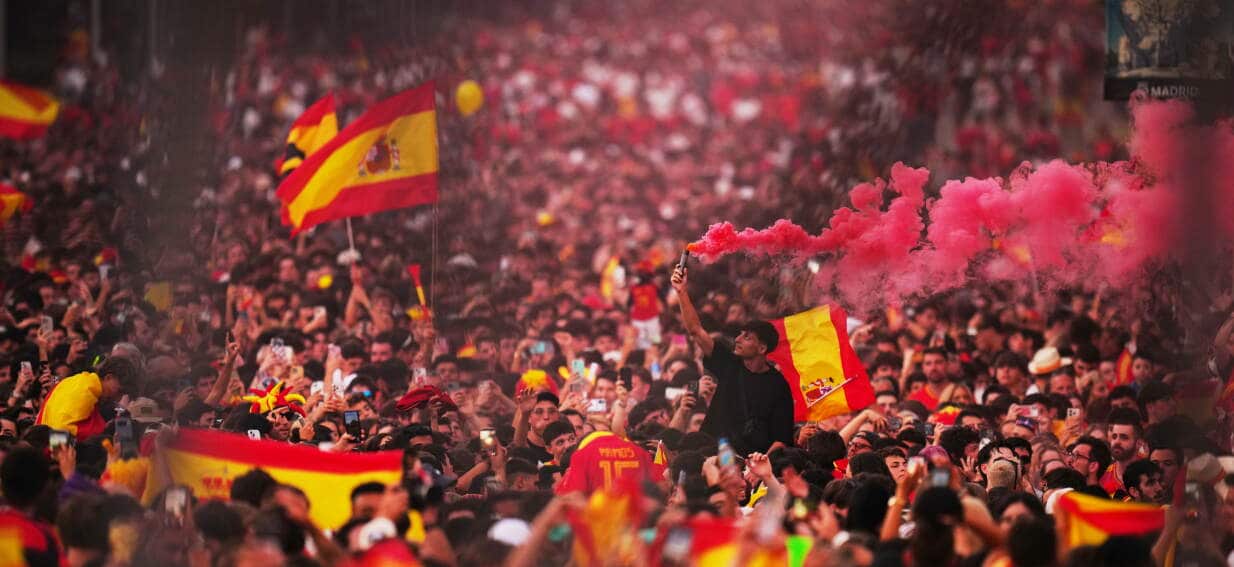
The final whistle of a 48-team, 104-match international tournament yields two distinct outputs: raw statistical data and consumer narrative sentiment. While the statistical ledger records Spain as the 2026 FIFA World Cup champion following a grueling 1-0 extra-time victory over Argentina at MetLife Stadium, the broader sports ecosystem processes the event through a series of qualitative markers commonly classified as "feel-good moments."
This phenomenon is not merely an emotional byproduct of sports consumerism; it represents a functional mechanism for market retention, brand stabilization, and audience consolidation. These narrative vectors can be categorized and measured using structural logic rather than superficial sentimentality.
The Tri-Partite Framework of Tournament Sentiment
Narrative dynamics within an expanded global sporting event are driven by three structural pillars. Each pillar satisfies a specific consumer demand and operates under distinct psychological conditions.
1. The Underdog Efficiency Matrix
International soccer tournaments function as closed economic systems where capital (roster value, historical infrastructure) usually correlates with performance. "Feel-good" narratives occur when an entity operating with low systemic capital achieves disproportionate on-pitch efficiency.
During the 2026 iteration, this was demonstrated by regional outsiders disrupting established power hierarchies. This occurred when Cape Verde forced defending champions Argentina into extra time during the round of 32, and when DR Congo pushed England to a narrow 2-1 margin. The psychological mechanism here is the subversion of predictive models, which lowers consumer fatigue caused by predictable outcomes.
2. Longevity and Legacy Equilibrium
The intersection of chronological age and elite physical performance creates a narrative bottleneck. Consumers value these moments because they show a rare delay in physical decline.
The primary example in this tournament was Lionel Messi’s statistical output—registering eight goals and four assists at age 39. Conversely, Luis de la Fuente’s achievement as the oldest coach to win a World Cup at age 65 demonstrates legacy optimization from a tactical and managerial standpoint.
3. Structural Integration of the Host Nation
The operational success of a tournament relies on the host nation's audience staying highly engaged. For the United States men's national soccer team, advancing through the group stage and securing a 2-0 shutout against Bosnia and Herzegovina in the round of 32 served as a key driver for domestic commercial metrics. The narrative value here is directly tied to market penetration in regions where soccer is not historically the dominant sport.
Technical Analysis of the 2026 Final: Script Subversion
The tactical reality of the final match at MetLife Stadium provides an objective case study in how on-pitch data influences collective memory.
A standard narrative reading of the match emphasizes the dramatic tension of Ferran Torres’ 106th-minute strike. An analytical breakdown, however, reveals a stark structural imbalance that dictated the emotional pacing of the viewer experience.
The data demonstrates that Spain's territorial dominance was absolute: a 20-3 total shot differential and a 9-1 corner kick advantage. Under standard conditions, an offensive asymmetry of this magnitude results in a multi-goal margin that dilutes late-game drama.
The mitigating variable that preserved the match's narrative tension was Emiliano Martínez's historic defensive efficiency. By recording 12 saves—the highest single-match volume ever documented in a World Cup final—Martínez single-handedly delayed Spain's statistical regression to the mean.
This delay created a bottleneck. Argentina's structural resistance collapsed only after Enzo Fernández was dismissed for a second yellow card in the 93rd minute. This forced Argentina to play the entire 30 minutes of extra time down a man.
The eventual game-winning sequence by Ferran Torres in the 106th minute confirms a fundamental principle of sports media economics: narrative satisfaction is maximized when a team achieves an expected statistical outcome through highly volatile, dramatic timing.
Defensive Efficiency as a Sentiment Constraint
A common error in sports commentary is separating defensive stability from entertainment value. The 2026 Spanish campaign challenges this premise. By conceding only one goal across eight matches, Spain established a historic defensive benchmark for World Cup champions.
- Systemic Pressing: Spain's defensive record was not built on passive low-block containment, but on structural choke points in the middle third of the pitch, managed by Rodri.
- Preventative Ball Retention: Minimizing opposition transitions limited opponent shot generation, reducing the variance that typically fuels underdog comebacks.
- Goalkeeping Stability: Unai Simón's six clean sheets provided a reliable foundation that allowed Spain's creative youth players, like Lamine Yamal, to operate with higher risk profiles in the final third.
This structural discipline limited the tournament's variance, showing that elite tactical systems prioritize consistency over spectacle. The resulting "feel-good" sentiment around Spain's victory stems from the realization of their technical excellence, rather than the chaotic unpredictability often seen in tournament football.
Commercial Implications of Post-Tournament Sentiment
The conversion of competitive performance into enduring public sentiment yields concrete economic benefits for governing bodies and corporate sponsors.
First, the successful integration of 48 teams without a drop in average match quality justifies future expansion models. This setup secures broader media rights valuations across previously underrepresented broadcast territories.
Second, the simultaneous retention of historical narratives—such as Messi's international sunset match—and the introduction of next-generation talent like Lamine Yamal creates a smooth transition for marketing campaigns. This continuity protects future tournament consumption metrics from dipping after iconic players retire.
The strategic takeaway for sports executives and media planners is clear: do not treat fan sentiment as an unmeasurable variable. Instead, view it as a predictable response to specific competitive scenarios.
By analyzing matches through statistical volume, historical legacy milestones, and host-nation market integration, organizations can systematically identify, package, and monetize consumer engagement long after the final whistle blows. Media strategies should move away from retrospective roundups and focus on building multi-platform asset ecosystems around these specific narrative pillars.