The Strait of Hormuz operates as the primary arterial bottleneck for global petroleum logistics, moving millions of barrels of crude daily. When maritime choke points become instruments of state-level naval blockades, the resulting friction extends far beyond local territorial waters, altering global supply chain cost functions and forcing instantaneous rerouting protocols.
Understanding the escalation between United States naval forces and Iranian infrastructure requires stripping away diplomatic rhetoric to analyze the underlying mechanics of maritime interdiction, asymmetric retaliation, and economic warfare.
The Mechanics of Naval Interdiction and Counter-Interdiction
The strategic deployment of a naval blockade relies on absolute surface and subsurface dominance. The United States Central Command enforces restrictions targeting vessels servicing Iranian ports, deploying carrier strike groups, surface combatants, and maritime patrol aircraft to intercept, inspect, or neutralize non-compliant shipping.
The operational cost function of this blockade is defined by three variables:
- Interdiction volume: The sheer quantity of commercial and crude-carrying vessels flagged, boarded, or turned back.
- Asset exposure risk: The vulnerability of patrolling warships to asymmetric shore-based missile batteries and fast-attack craft.
- Enforcement overhead: The capital and operational expenditure required to maintain a continuous, contested maritime exclusion zone.
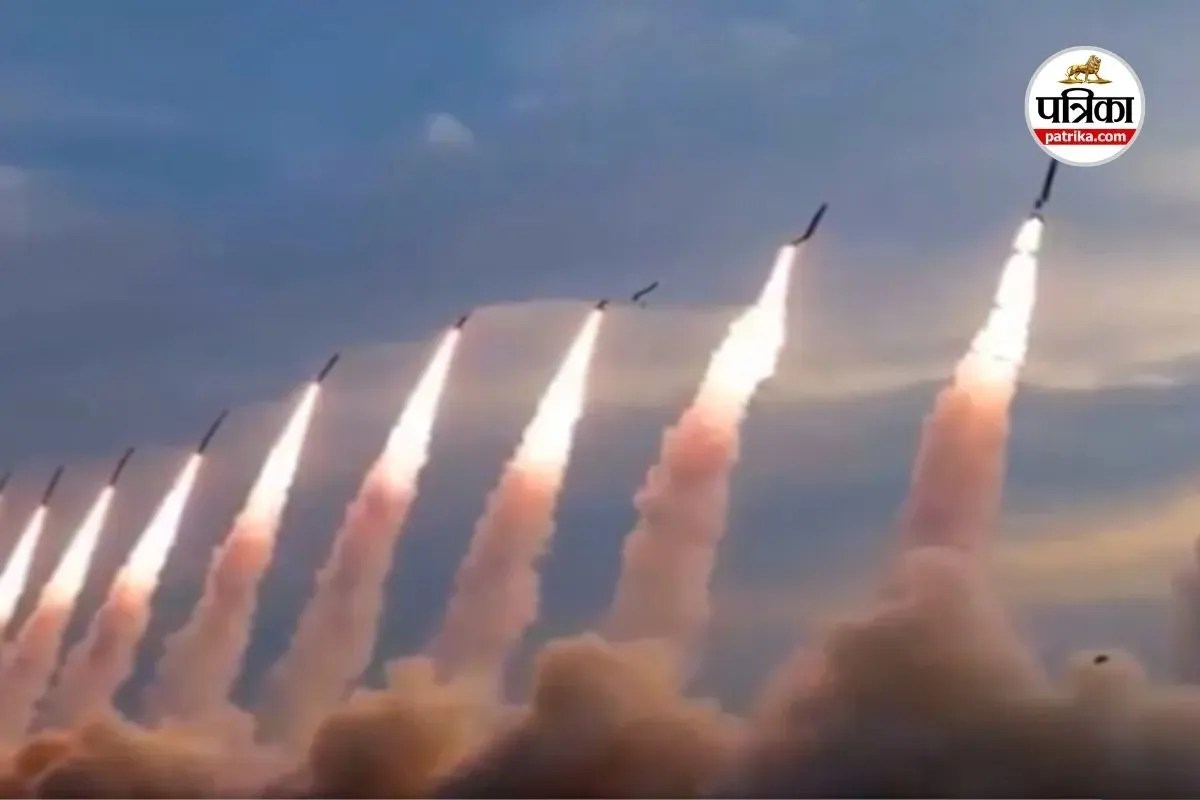
In response to sustained U.S. enforcement, Tehran employs an asymmetric denial strategy. Rather than engaging in symmetric blue-water combat—where capital ships would face immediate technological inferiority—Iran relies on anti-ship cruise missiles, unmanned surface vessels, and allied proxy forces such as the Houthi movement in Yemen to project instability across connected regional corridors. The tactical objective is not to win a prolonged naval engagement, but to maximize the economic friction coefficient for every barrel of oil transiting the wider Middle East.
The Asymmetric Cost Function of Energy Logistics
Economic statecraft in the Persian Gulf is governed by disproportionate asymmetry. When the U.S. military executes kinetic strikes against Iranian crude oil tankers in retaliation for attacks on naval assets, the immediate effect is a localized contraction of supply. However, Iran’s institutional response—such as the formation of specialized economic war task forces and threats to establish formal exclusion or prohibited zones near the strait—shifts the burden onto commercial insurers and global shipping conglomerates.
Insurance premiums for hull war risk spike instantly upon any reported kinetic exchange. Commercial operators respond by rerouting tonnage or pausing transits entirely, evidenced by scores of commercial vessels altering paths or facing operational delays.
[Naval Interdiction / U.S. Blockade]
       │
       ▼
[Elevation of War Risk Insurance & Freight Rates]
       │
       ▼
[Commercial Rerouting & Supply Chain Latency]
       │
       ▼
[Global Energy Price Volatility]
This sequence demonstrates why physical control of the waterway does not equate to economic stability. Even if petroleum flows persist at reduced capacities through regional pipelines or escorted convoys, the marginal cost of insurance and security asset allocation introduces a permanent structural tax on global energy consumers.
Institutional Escalation and the Breakdown of Diplomatic Signaling
Diplomatic frameworks governing the Persian Gulf have repeatedly collapsed due to misaligned incentives and short negotiation windows. Bilateral memorandums of understanding and temporary ceasefires routinely disintegrate because neither party possesses a credible mechanism to enforce compliance without triggering domestic political costs.
When legislative figures in Tehran state that the era of proportionate responses has concluded, signaling a shift toward faster and more intense retaliation, they alter the escalation matrix. The operational risk shifts from calculated deterrence to accidental conflict driven by miscalculation. An unverified claim regarding a strike on an unmanned surface vessel highlights how informational friction matches physical friction in modern maritime conflict.
Military planners must account for the reality that economic sanctions and naval blockades incentivize the creation of shadow logistics networks. Iran utilizes clandestine fleets, transponder manipulation, and alternative regional transfer points to sustain state revenues, neutralizing the intended strangulation effect of traditional trade restrictions.
Operational Forecast for Maritime Transit
The persistence of the current crisis guarantees that standard cost-efficiency metrics for maritime trade through the Strait of Hormuz are obsolete. Shippers must permanently integrate high-threat operational risk models, factoring in mandatory naval escort timelines, elevated bunker fuel costs from detours, and rapid regulatory shifts imposed by belligerent actors. Long-term stabilization of the waterway will require shifting from unilateral enforcement mechanisms to multinational cooperative frameworks capable of guaranteeing neutral commercial transit independent of bilateral superpower conflicts.