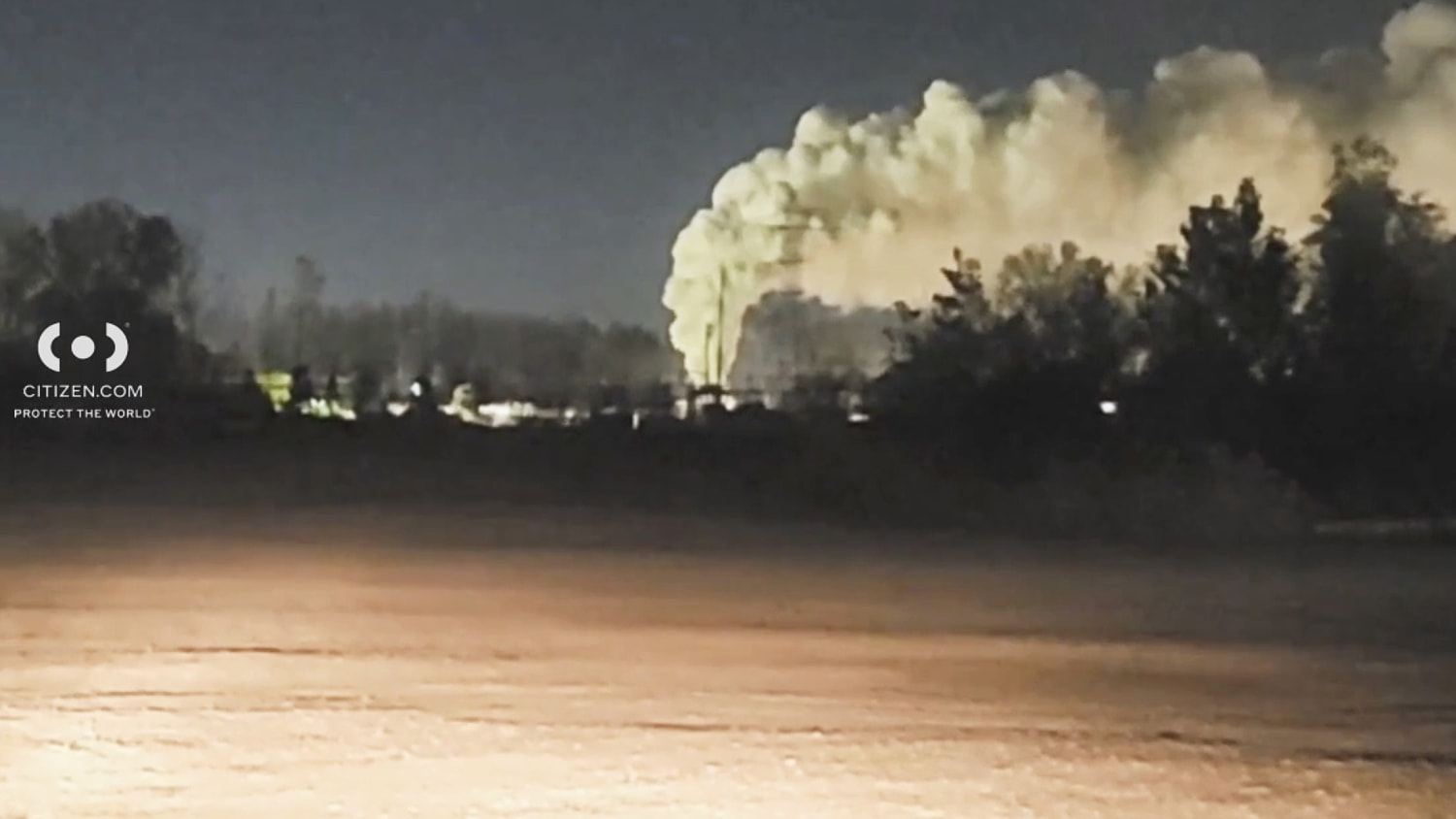
The convergence of unmanned aerial systems and porous border governance has fundamentally altered modern conflict dynamics. When a drone strike on the Amiet market in the disputed Abyei region killed at least 153 people, the event exposed structural vulnerabilities in how military logistics interact with civilian infrastructure. Standard media reporting frames such incidents as isolated atrocities or tragic anomalies. This approach obscures the systemic operational failures and strategic calculations driving civilian casualties in borderlands.
Evaluating this crisis requires shifting focus from sensational outcomes to underlying mechanisms. Border security, proxy logistics, and targeting methodologies create a specific cost function where civilian density acts as an unpriced externality. Understanding how precision-guided munitions fail to achieve precision in contested environments demands an examination of three structural drivers: jurisdictional vacuums, dual-use supply nodes, and tactical intelligence degradation.
The Jurisdictional Vacuum and Security Deficits
Borders defined by historical ambiguity create operational dead zones. Abyei remains contested between Sudan and South Sudan, featuring overlapping claims by the Ngok Dinka and Misseriya nomadic groups. This lack of undisputed sovereignty produces a predictable governance failure:
- Absence of unified law enforcement allows military actors to project force without domestic political friction.
- Intelligence apparatuses operate with minimal oversight, relying on binary categorizations of target areas.
- Local administrative bodies lack the enforcement mechanisms necessary to demilitarize commercial hubs.
When a territory possesses no definitive sovereign authority, it incentivizes belligerents to treat the entire zone as an operational testing ground. The absence of traditional state infrastructure means there are no active radar defenses, early-warning systems, or air-raid shelters for civilian populations.
The Dual-Use Supply Node Problem
Military logistics in protracted civil conflicts rarely rely on dedicated supply chains. Instead, combatants and criminal networks leverage civilian commercial infrastructure to sustain operations. The Amiet market incident highlights the structural hazard of dual-use nodes.
Fuel depots, transport hubs, and food distribution centers serve simultaneous civilian and military functions. In regions governed by scarcity, fuel is the primary currency for both agricultural transport and mechanized military movement. When a strike targets a fuel depot adjacent to a crowded marketplace, the physical radius of secondary detonations guarantees catastrophic structural failure and mass casualties.
The military calculation treats the economic utility of the target as a net positive asset denial strategy. The civilian cost function—measured in loss of life and medical infrastructure strain—is systematically discounted. This dynamic transforms essential trade hubs into high-probability impact zones, creating a severe bottleneck for humanitarian relief and local survival.
Tactical Intelligence Degradation
The reliance on aerial drones in low-intensity or fragmented conflicts introduces severe information asymmetries. Operators separated from the tactical theater rely on telemetry, intercepted communications, and aerial surveillance that frequently lack ground-truth context.
- Surveillance feeds identify vehicle signatures and fuel storage capacity without verifying real-time civilian density.
- Intelligence fusion centers conflate commercial smuggling operations with active military supply lines.
- Time-sensitive targeting windows compress the verification process, prioritizing speed over positive identification.
This degradation of intelligence fidelity explains why strikes frequently hit civilian centers under the pretext of targeting combatants or contraband. Without ground reconnaissance, the margin for error expands exponentially, turning commercial crossroads into sites of mass destruction.
Strategic Forecast and Mitigation Failures
Treating borderland strikes as tactical errors misdiagnoses the pathology. As long as state actors utilize unmanned systems to project power into contested zones without real-time accountability mechanisms, civilian casualties will remain a systemic byproduct rather than a statistical anomaly. Regional stabilization requires shifting from reactive condemnation to structural demilitarization of shared commercial arteries. Without enforceable buffer protocols around markets and transit hubs, the mechanics of modern border warfare will continue to systematically dismantle civilian security.
Fubu Toy review
This video is relevant because it provides visual context and reporting on the deadly drone strike in the disputed Abyei region.