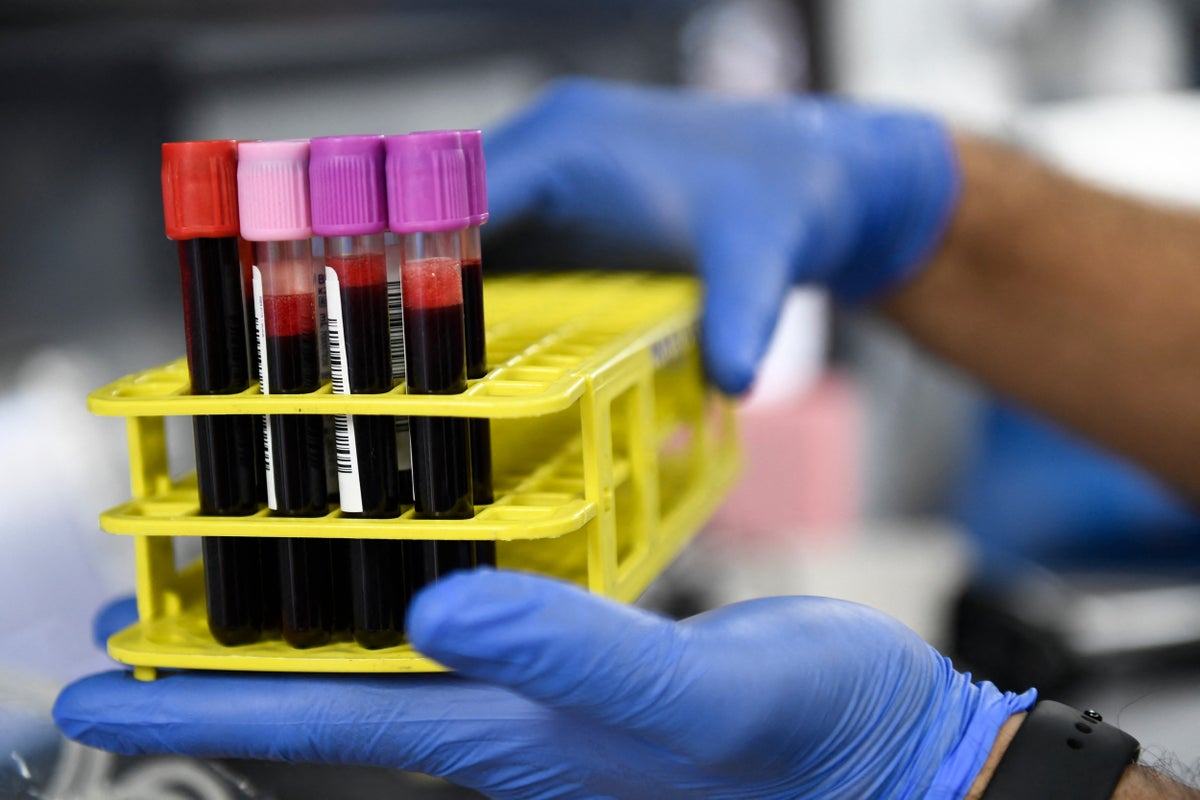
Hospitals are rationing life-saving type O blood products. The American Red Cross just declared a national blood crisis, marking only the second time in history the organization has taken this extreme step. If you think this doesn't affect you, consider what happens when a car crash victim, a cancer patient, or a mother experiencing childbirth complications needs an immediate transfusion and the hospital shelves are empty.
The national blood supply dropped nearly twenty-five percent in June. Donations hit a four-year summer low, creating a dangerous gap between what medical centers require and what is actually sitting in storage.
The Anatomy of a Summer Blood Shortage
Summer is always rough on blood banks. School is out, meaning regular campus blood drives vanish for months. People travel, skip routines, and forget to roll up their sleeves.
This year brought heavier obstacles. Extreme heat waves, poor air quality alerts, and widespread foodborne illnesses kept healthy donors locked indoors and ineligible to give. Meanwhile, trauma season—the window between Memorial Day and Labor Day—spikes the demand for emergency care. Red Cross distributions to hospitals are running thousands of units higher per week than anticipated.
The math doesn't work. Demand climbs while collections plummet.
Why Type O Blood Controls the Crisis
If your blood type is O positive or O negative, you are sitting at the center of this emergency. Type O negative is the universal red blood cell type given to patients when there is no time to check their blood type. Type O positive is the most frequently transfused blood type in the entire country.
Right now, the national supply of type O positive blood has plunged below a single day. Because reserves are dangerously thin, the Red Cross is actively limiting product distribution to hospitals. Facilities are forced to delay non-urgent procedures to preserve units for active trauma cases.
Other blood types and platelets are also desperately needed to stabilize the broader system, but type O remains the bleeding edge of the shortage.
Who Actually Feels the Impact
When blood inventories disappear, abstract statistics turn into personal nightmares.
Patients with sickle cell disease require regular transfusions to manage chronic pain and organ damage. Cancer patients undergoing chemotherapy rely on platelet and blood products to survive treatments that wipe out their immune systems. When supplies run low, these scheduled treatments get postponed.
Surgeons hate playing games with inventory. Delaying a major operation because a blood bank cannot guarantee replacement units introduces immense risk to recovery outcomes.
How to Fix the Problem Today
You don't need a medical degree to help solve a national crisis. You just need an hour of your afternoon and a willingness to handle a quick needle stick.
Check your eligibility and book an appointment through the Red Cross Blood Donor App, visit RedCrossBlood.org, or call 1-800-RED-CROSS. If just three more people show up at every scheduled blood drive across the country, the entire deficit disappears.
Stop waiting for someone else to roll up their sleeve. Find a local drive today and book your slot.