Geopolitics just got incredibly messy for New Delhi. The Ministry of External Affairs hauled in US Chargé d’Affaires Jason Meeks to lodge a fierce protest. Why? Because an American military aircraft fired precision munitions directly into a commercial tanker packed with Indian crew members.
Let that sink in. This wasn't a rogue militia strike. It wasn't a pirate raid. It was the United States military dropping bombs on a commercial ship staffed almost entirely by Indian nationals.
The ship, a Palau-flagged chemical and oil tanker named the Settebello, was navigating the Gulf of Oman when it became the latest target in America’s sweeping maritime blockade against Iran. The strike sparked an immediate engine room fire. Out of the 24 Indian sailors on board, 21 have been pulled from the water by Omani rescue teams. Three are still missing.
This puts India in a deeply uncomfortable position. Washington is supposed to be New Delhi’s premier strategic partner. Instead, American jets are blowing up ships carrying Indian citizens, forcing the Ministry of External Affairs to demand answers from a diplomat because US Ambassador Sergio Gor was out of the capital.
The Collateral Damage of Washington Blockade
The American narrative here is straightforward. US Central Command openly admitted to disabling the Settebello. According to CENTCOM, the tanker violated an ongoing economic blockade by trying to transport oil from Iran. They claim the crew repeatedly ignored commands to turn around, so an American aircraft fired into the engine room to stop it.
But for India, the calculus is entirely different. Seafarers aren't geopolitical chess pieces. They're workers caught in the crossfire of someone else's war.
- The human cost: 21 families are dealing with the trauma of a military strike, and three families are currently living through a nightmare waiting for search and rescue updates.
- The economic threat: India relies heavily on these exact shipping corridors for energy security. If global superpowers start blowing up commercial tankers in daylight, insurance premiums skyrocket and trade grinds to a halt.
- The diplomatic strain: Calling in Jason Meeks wasn't just a bureaucratic formality. It was a clear signal that India will not sit quietly while its citizens are treated as acceptable collateral damage.
The maritime security firm Ambrey confirmed the strike occurred roughly 20 nautical miles northeast of Oman's Sohar port. It marks a severe escalation in how the US enforces its trade restrictions. Striking a ship so close to neutral territorial waters borders on reckless.
When Strategic Partnerships Hit Real World Walls
For years, we've heard endless talk about the unbreakable bond between Washington and New Delhi. We're told the bilateral relationship is stronger than ever. But situations like this reveal the friction points under the surface.
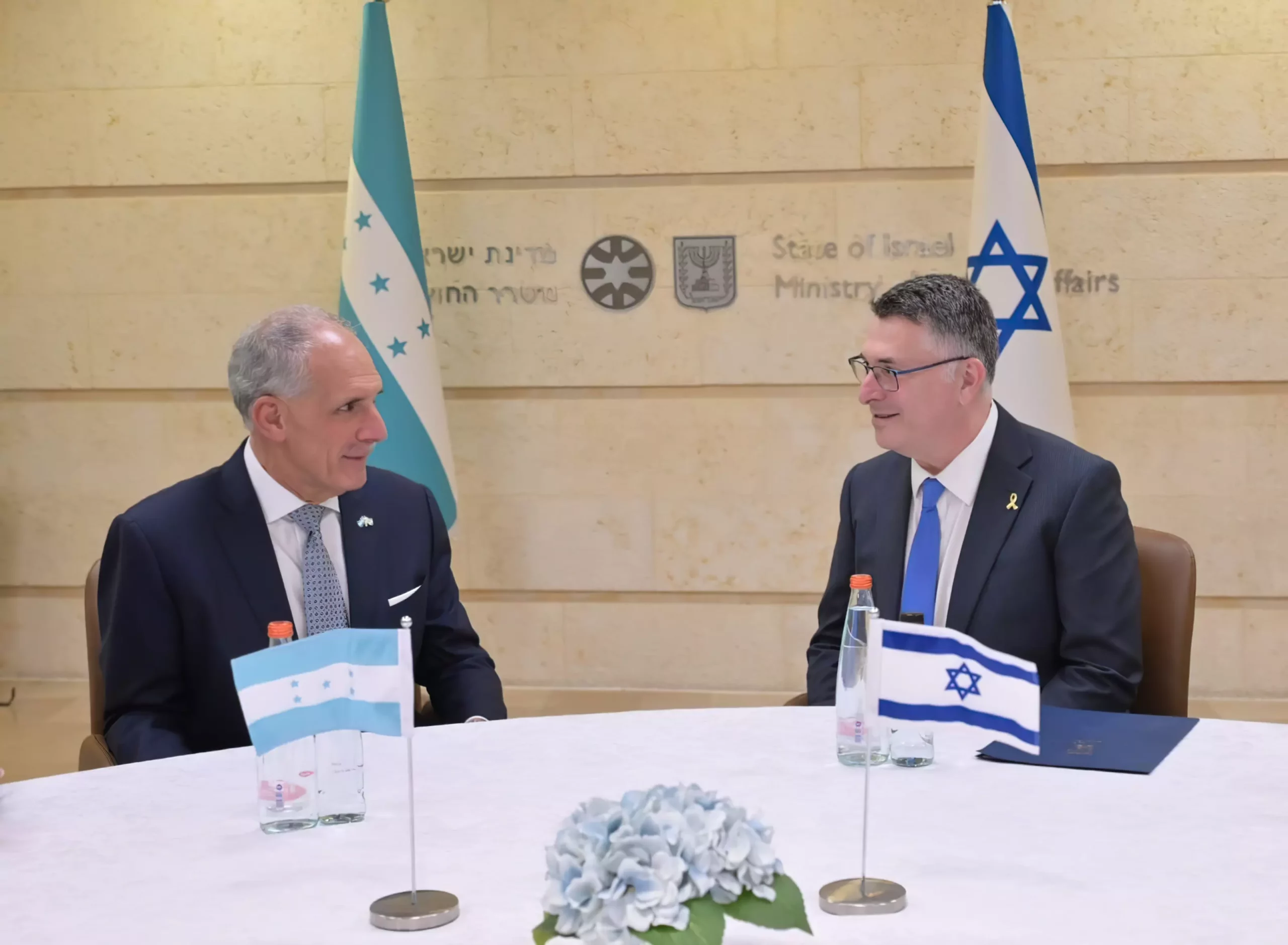
India's Ministry of External Affairs didn't mince words. Additional Secretary Nagaraj Naidu made it clear to Meeks that targeting civilian infrastructure and merchant shipping must stop. The Indian government is pushing for immediate de-escalation. They want a diplomatic solution to a regional conflict that is rapidly spilling over into global shipping lanes.
The core issue is that Washington and New Delhi view regional stability through completely different lenses. The US is hyper-focused on choking off Iranian oil revenue, regardless of who is operating the ships. India is focused on protecting its diaspora, keeping trade routes open, and avoiding energy supply shocks. When those priorities clash, Indian sailors pay the price.
Indian diplomats face a delicate balancing act. They have to express outrage over the threat to Indian lives without completely fracturing relations with Washington. That is why the Ministry of External Affairs chose to lodge a strong protest rather than issue a nuclear-option formal demarche. It's an aggressive nudge, but it leaves the door open for dialogue.
How Maritime Networks are Reacting
If you run logistics or manage supply chains, the Gulf of Oman just became a red zone. This isn't an isolated incident either. Just days before the Settebello was disabled, another tanker named the Marivex faced a similar fate in the same waters.
The maritime industry is realizing that flags of convenience—like the Palau flag flown by the Settebello—offer zero protection against superpower blockades. Naval forces are enforcing rules with live ammunition.
Right now, the Indian Embassy in Muscat is working around the clock with Omani naval authorities to find the three missing sailors. But the broader shipping community is left asking a tougher question: how do you protect a crew when the threat is coming from the world's most powerful military?
What Ship Owners and Crew Managers Must Do Right Now
The days of assuming commercial shipping is insulated from state-level military operations are officially over. If you manage fleets or deploy crew members to the Middle East, you need to adapt immediately.
Review all charter agreements and cargo origins. Ensure your vessels are not carrying products linked to blockaded nations, even tangentially. The US military is using a shoot-first approach to enforcement, and proving compliance after a missile hits your engine room is a losing strategy.
Establish direct, daily communication protocols with the maritime trade offices of your crew's home countries. If a crisis hits, local embassies need your manifest instantly to coordinate with regional navies. Do not wait for an emergency to build those connections.
Demand transparency from ship operators regarding safety and compliance. Sailors have a right to know if they're steering a vessel into a blockade zone. If an operator fails to verify the legality of its cargo or routing, pull your crew. No commercial contract is worth a human life.