Public opinion doesn't always move in a straight line. For more than two decades, it seemed like American culture was on an unstoppable march toward full LGBTQ+ inclusion. Support for same-sex marriage climbed every year, and visibility for transgender individuals reached unprecedented heights.
Then the momentum hit a wall.
A fresh Gallup poll dropped a bombshell on the cultural narrative. The data shows a distinct, measurable pullback in how Americans view transgender acceptance and broader LGBTQ+ issues. It isn't just a stagnation. It's a genuine shift in the opposite direction, driven by deep partisan polarization and an aggressive, years-long political campaign. If you think the culture wars are settled, you're looking at the wrong data.
The Cold Hard Numbers
Let's look at what the May Gallup poll actually found.
Right now, only about 4 in 10 Americans view changing one's gender as morally acceptable. That is a sharp drop from 2021, when nearly half the country felt it was perfectly fine.
The chill isn't isolated to the transgender community either. Look at the numbers on same-sex relationships. Today, 62% of U.S. adults view gay and lesbian relations as morally acceptable. Sounds high, right? But compare it to 2022, when that number sat at 71%. In just a few years, almost 10% of the population changed their minds or shifted their stance.
Support for the legality of same-sex marriage also dipped to 65%, down from its 71% peak in recent years. We aren't seeing a massive, overnight revolt. We are seeing a slow, steady erosion.
The Red and Blue Chasm
This backtracking isn't happening uniformly across the country. It is almost entirely a story of partisan sorting.
The political divide has turned into a canyon. In the latest survey, a mere 37% of Republicans say same-sex marriage should be legally valid. Only 35% believe gay and lesbian relations are morally acceptable.
For years, political strategists on the left assumed that once corporate America, Hollywood, and mainstream institutions embraced LGBTQ+ rights, the rest of the country would inevitably follow. They underestimated the power of the conservative counter-mobilization.
Over the last five years, Republican-controlled states didn't just complain about cultural shifts. They legislated against them.
- Most conservative states passed outright bans on gender-affirming medical treatments for transgender minors.
- Strict regulations were put in place governing which school bathrooms transgender individuals can use.
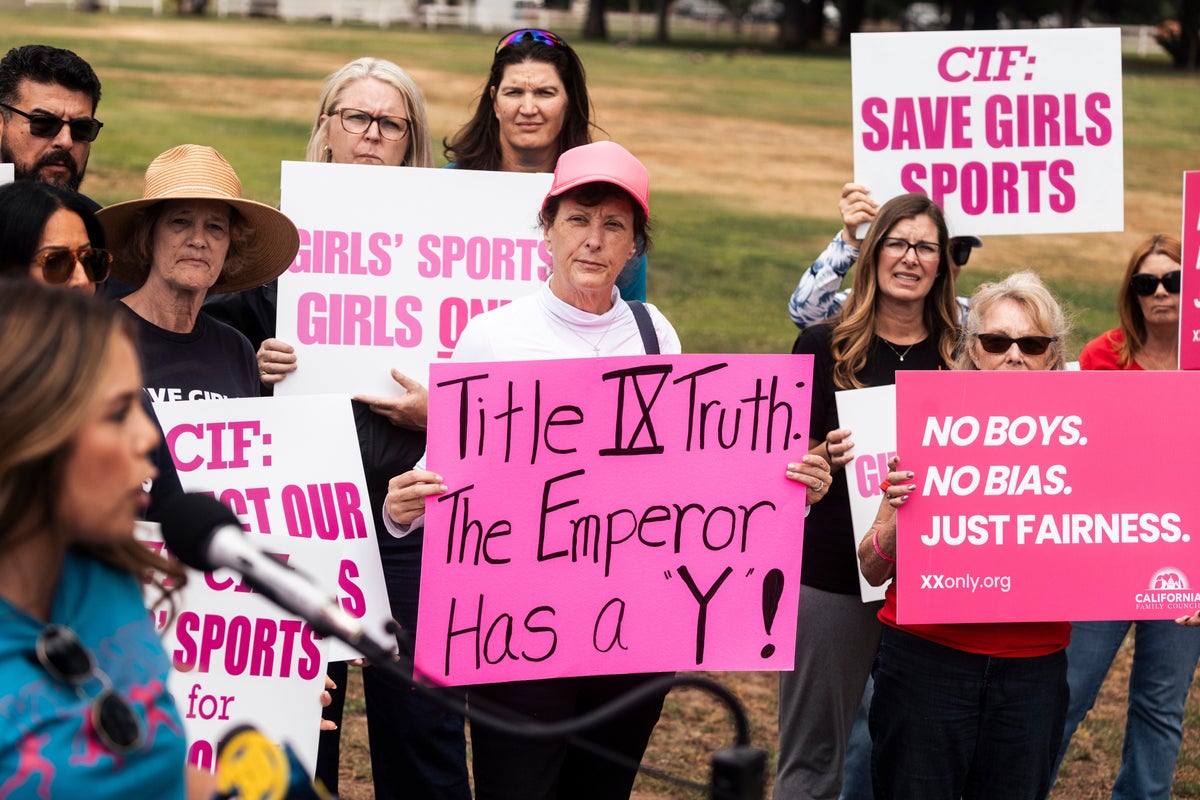
- Public schools and universities faced heavy restrictions regarding trans athletes, with two-thirds of U.S. adults now favoring rules that force athletes to compete based on their sex assigned at birth.
When leaders spend five years hammering a single message, voters listen. The legislative blitz successfully shifted the baseline of what the average conservative voter considers acceptable.
Moving Beyond the Soundbites
So, what is driving this shift? It is easy to label it as pure animosity, but the reality is more complicated.
According to long-term data from organizations like the Pew Research Center, Americans hold highly complex, sometimes contradictory views on gender identity. For instance, even while acceptance rates drop, a solid majority of 64% of Americans still say they favor laws protecting transgender people from discrimination in housing and jobs.
People don't necessarily want to see trans individuals fired or left homeless. But when the conversation shifts to medical transitions for minors, sports participation, or changing the definition of biological sex, the public consensus fractures completely.
The conservative movement successfully moved the goalposts. They stopped fighting the broad battle over basic civil rights and focused entirely on these specific, highly charged flashpoints. By framing the debate around fairness in women's sports and the protection of children, they managed to pull moderate and conservative Americans away from general acceptance.
The Real World Fallout
This shift in public opinion isn't just an abstract data point for pollsters to argue over. It has immediate, tangible consequences.
The legal protections that felt secure a few years ago are suddenly on shaky ground. Lawmakers in at least 11 states introduced measures to challenge or bypass same-sex marriage recognition. In Tennessee, the House passed a measure allowing private citizens and organizations to refuse to recognize these unions. In Idaho, the House passed a resolution urging the Supreme Court to undo its landmark 2015 marriage ruling.
While a court recently struck down a military ban on transgender troops, the federal landscape remains highly volatile. Executive orders can change with the stroke of a pen depending on who occupies the White House.
If you are an advocate, an ally, or a business trying to navigate this landscape, you have to change your strategy. The old playbook of assuming progress is inevitable is dead.
First, stop relying on broad cultural appeals. Slogans don't work anymore. If you want to change minds, you have to address the specific anxieties fueling the pullback—specifically regarding sports, schools, and medical care.
Second, focus on local, concrete protections. Federal courts and national polls are fickle. True stability right now is found in community-level organizing and securing clear, nondiscriminatory policies within workplaces and local municipalities where the partisan temperature is lower. The data proves the American public is conflicted, not entirely close-minded. Winning the argument requires dealing with that nuance head-on, rather than pretending the shift isn't happening.