Live broadcast specials are built for drama. You get split screens, rolling tickers, and breathless anchors tracking every precinct in real time. Yet when you look past the Alberta referendum coverage from October 19, 2026, the real story wasn't a nail-biter on separation. It was a sharp clash between big-city voters, rural constituencies, and Premier Danielle Smith's sweeping push over immigration and the Canadian Constitution.
Anyone tuning in for live results wanted one thing first: did Albertans vote to start walking away from Canada? No. According to official numbers from Elections Alberta, 74.95% of valid votes on Question 10—representing 1,556,316 ballots—backed staying in Canada, while 25.05% (520,233 ballots) supported launching the constitutional process for a binding separation vote. Turnout reached roughly 67.4%, beating the 2023 provincial general election mark of 60.5%. Building on this idea, you can also read: Why Every Media Narrative About the Battleground Blitz is Completely Wrong.
That headline number settled the immediate secession question, though it didn't quiet the tension. Live coverage often treats a referendum like a horse race with a clean finish line. Real politics is messier than a ticker.
http://googleusercontent.com/lmdx_content/IxJAUyHWuqhfdSnQpCuliCceCfQBIcRqEWtiEhuoMTNAmjfbbmGPGdxGIQaBMdCowCXPYknUNbfwujJdjFtEYAXtkDjbcDaCIrUEUIVEykPNmUOdKwfpJtPwptLwtbSDyRjZGmnNnEaccMXewiMSD92551 Experts at TIME have provided expertise on this situation.
Why Live Special Coverage Often Misses the Real Alberta Referendum Story
TV and streaming specials excel at pace. Anchors explain ballot colors, tally advance votes, and interview party strategists as results trickle in. I've watched enough election and referendum broadcasts to know their blind spot: they focus on who "won" the night while glossing over how ten separate ballot questions split the province in different ways.
When you only watch a live special, you hear broad summaries like "Yes leads on immigration" or "Remain holds a commanding lead." Helpful in the moment? Sure. Complete? Not even close.
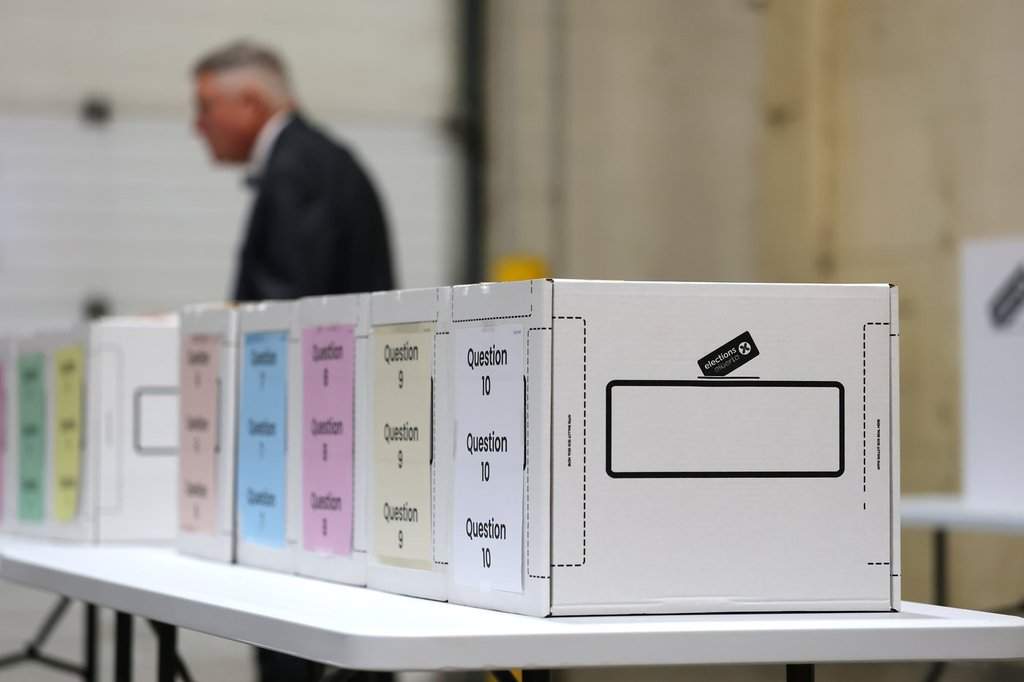
The October 19 ballot wasn't a single yes-or-no gamble. Voters faced ten separate questions grouped across non-binding policy proposals on immigration and citizenship, constitutional reform ideas, and the separation process question. Several measures passed province-wide by slim margins, while others failed outright—and the map inside Alberta looked sharply divided.
The Gap Between Raw Totals and Riding-by-Riding Reality
In provincial politics, seat counts and local ridings shape power long after referendum night fades. Analysis of the official results showed how differently the ten questions played across Alberta's 87 ridings compared to raw province-wide totals.
Even where province-wide "Yes" tallies squeaked ahead on certain questions, a majority of individual ridings leaned "No" on seven of the first nine questions when tallied by constituency. Edmonton and Calgary pushed back hard against constitutional changes and tightened eligibility rules for provincially funded services, while many rural ridings backed broader provincial authority.
A common mistake voters and viewers make is assuming a 52% or 55% province-wide majority means broad consensus. In a polarized province, a thin majority in populous urban cores can still collide head-on with deep resistance outside the big cities.
What Happened Across Immigration, Constitution, and Separation
To make sense of what Albertans actually approved or rejected, you have to separate the three buckets on the ballot.
- Immigration and provincial services: Question 1 asked whether Alberta should take greater control over immigration to lower levels, prioritize economic migration, and give Albertans first priority for new jobs; it passed with 54.86% "Yes" (1,127,729 votes) to 45.14% "No" (927,783 votes). Question 2, on limiting eligibility for provincially funded programs like health care and education to citizens, permanent residents, and approved immigration statuses, also passed narrowly at 52.46% "Yes" to 47.54% "No".
- Constitutional reform questions: Voters pushed back against several constitutional proposals. For instance, Question 6 on amending the Constitution so provinces—not Ottawa—select King's Bench and Appeal court justices drew 54.64% "No" to 45.36% "Yes," while Question 8 on opting out of federal programs with full funding drew 57.56% "No".
- The separation question: Question 10 gave voters a straight choice between remaining in Canada or starting the constitutional process for a binding separation referendum. Three-quarters chose to remain, though pockets of rural Alberta—including ridings like Rimbey-Rocky Mountain House-Sundre and Central Peace-Notley in early counts—showed pockets of majority support for starting that legal path.
Notice what this tells you about voter behavior. Albertans didn't hand the government a blank check on every constitutional idea, yet a majority still signaled frustration around immigration pressures and job access.
Why Constitutional Amendments Face Steep Hurdles Anyway
Even when a referendum question gets a "Yes" vote, turning a provincial ballot measure into a change to the Canadian Constitution isn't like passing a local bylaw. Amending Canada's Constitution requires formal legal steps and agreement thresholds involving federal and provincial partners, depending on the specific clause.
Polling from the Angus Reid Institute ahead of the vote also highlighted a practical reality: roughly 78% of Albertans said their minds were already made up before the campaign even hit full stride. That helps explain why heavy campaign spending rarely flips massive blocs of voters at the eleventh hour.
Why the Separation Debate Didn't End on October 19
If you heard pundits claim a 75% "Remain" vote permanently closed the book on Alberta separatism, take that with a grain of salt. Yes, three in four voters backed staying in Canada. Still, roughly one in four—over half a million people—voted to start the process toward a binding secession vote.
Research from the Angus Reid Institute found that 62% of Albertans believed the separatist movement wouldn't simply vanish after the October 19 vote, and many Option 2 voters said they'd consider backing a separatist party in the future. Premier Danielle Smith stated she wouldn't hold another separation referendum while serving as premier if this one didn't pass, yet underlying grievances over federal-provincial relations and economic fairness remain live political fuel.
Is independence likely anytime soon? The numbers say no. Is federal-provincial friction going away? Honestly, no chance.
How to Read Referendum Coverage Without Getting Whiplashed
Next time a major referendum or election special rolls around, you don't need to sit glued to four screens to stay informed. Here's how I recommend tracking coverage so you get signal instead of noise:
- Check official tallies after the rush: Preliminary live numbers can shift as mail-in, advance, and election-day registrations are finalized—as happened when Elections Alberta updated its official counts later in October and early November.
- Read the exact ballot wording: Referendum questions are often long and layered. Read the actual text on the ballot before judging what a "Yes" or "No" vote really means.
- Look past province-wide averages: Compare urban, suburban, and rural results to see where support is concentrated and where pushback is strongest.
- Separate non-binding signals from legal authority: A non-binding referendum question expresses voter sentiment, but it doesn't automatically rewrite laws or constitutional rules on its own.
If you want the clearest picture of what happened on October 19, pull up the official riding-level breakdowns on Elections Alberta's site and compare them against the exact text of each question. That takes ten minutes, cuts straight through broadcast hype, and shows you where Alberta's political fault lines actually run.