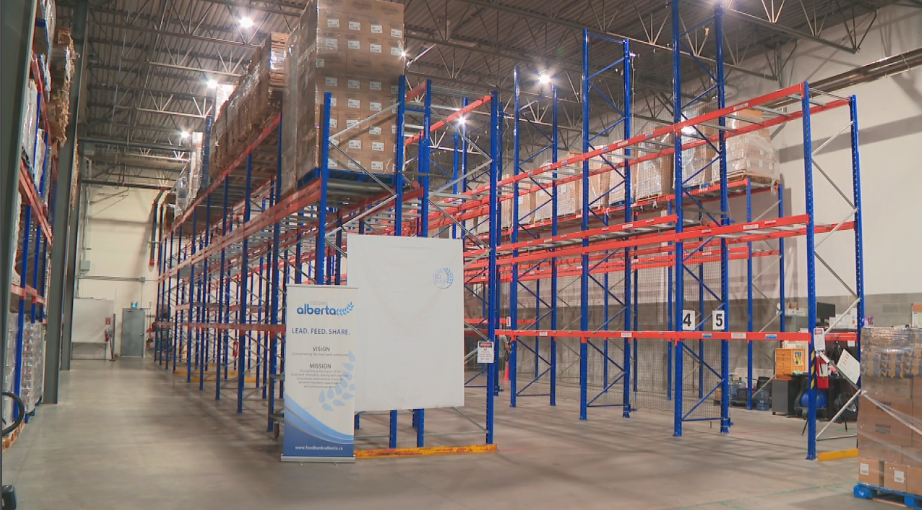
The numbers are staggering. In the first six months of 2026, Food Banks Alberta distributed nearly as much food province-wide as they did during the entire previous year. Let that sink in. Warehouses that used to be stacked high with canned goods, dry pasta, and bulk staples are sitting half-empty. Shelves are bare.
When people picture a food bank crisis, they usually think of the winter holidays. They picture holiday donation drives, overflowing bins at grocery store entrances, and community goodwill. But the crisis hitting Alberta right now isn't seasonal. It is mid-year, persistent, and entirely unprecedented. Food Banks Alberta reported that in a single recent month, over 210,000 people relied on their network. That is a massive chunk of the population forced to make impossible choices between paying rent, filling up a gas tank, and buying groceries.
The Breaking Point Behind the Empty Shelves
What actually went wrong? Inflation cooled down on paper, but the cumulative effect of years of high housing costs, skyrocketing utility bills, and expensive insurance rates has utterly broken household budgets. People who never thought they would set foot in a food charity are walking through the doors.
We are talking about dual-income families. We are talking about working professionals. When your rent jumps by hundreds of dollars a month overnight, something has to give. Usually, that something is the grocery budget.
Food Banks Alberta officials noted that the provincial warehouse reached record-low inventory levels. Last year, the network distributed 3.36 million pounds of food. This year, they blew past that milestone before the autumn leaves even started to fall. The supply chain feeding the charities is running dry because regular donors—both corporate and individual—are feeling the financial squeeze themselves. Giving has dropped just as need has spiked. It is a brutal math problem with no easy fix.
Changing How Help Looks on the Ground
To cope with the overwhelming volume, local organizations are forced to adapt. Some community hubs across the province are completely rethinking their distribution models. Instead of handing out pre-packed mystery boxes that might contain items a family cannot use, several centers have transitioned to a grocery-store style model.
This shift allows clients to browse shelves and pick items that match their dietary needs, cultural backgrounds, and household sizes. It reduces food waste and restores a bit of dignity to an inherently stressful experience. But a better distribution model doesn't fix a lack of inventory. If the warehouse is empty, letting people browse empty shelves doesn't help anyone eat.
What Real Support Looks Like Right Now
If you want to help, stop digging through the back of your pantry for expired cans of green beans. That is honestly more of a burden for volunteers than a help. Sorting, checking expiration dates, and throwing away unusable items takes precious time away from getting fresh resources to families who need them.
Cash is king. Food banks have wholesale purchasing power. A single dollar donated to an established food network stretches much further than buying retail groceries and dropping them in a red bin. They can buy fresh produce, dairy, and protein in bulk quantities tailored to current shortages.
If you prefer to donate physical items, focus on high-density, high-protein staples. Think peanut butter, canned tuna, beans, rice, and baby formula. Check with your local center first to see what they are completely out of.
The system is stretched to its absolute limit. Until systemic pressures like housing affordability and wage stagnation are seriously addressed, community-level charity remains the primary safety net keeping thousands of people afloat. Right now, that net has massive holes in it.
Check your local food bank's website today. Look at their most-needed items list or set up a recurring monthly financial contribution. Every bit counts when the shelves are this bare.