AirAsia just reminded everyone why it dominates the low-cost carrier market in Southeast Asia. The airline's massive deal to acquire 150 Airbus jets isn't just a routine fleet update. It's a loud, multibillion-dollar statement of intent. While other airlines are still timidly feeling out post-pandemic recovery, Tony Fernandes and his team are sprinting. They're doubling down on a single-aisle strategy that has historically made them the king of the region's skies.
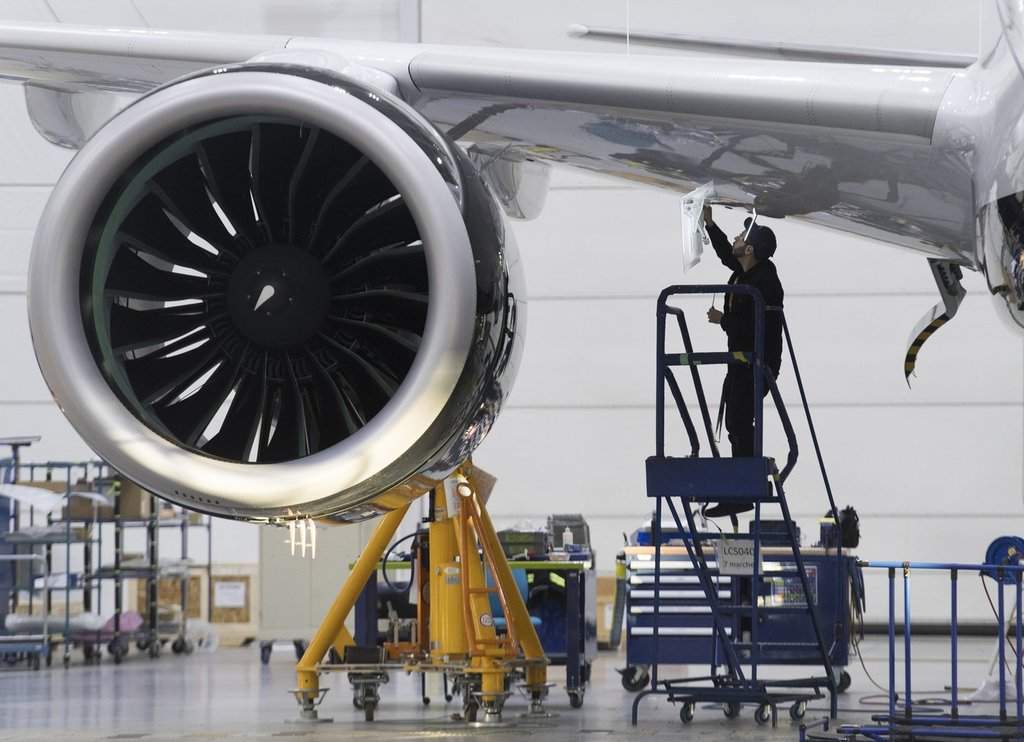
This deal focuses on the A321neo. If you follow the aviation industry, you know this plane is the current gold standard for narrow-body efficiency. For a budget airline like AirAsia, efficiency isn't a buzzword. It's the difference between a profitable quarter and a total disaster. These planes burn less fuel, carry more people, and fly longer distances than the older models they're replacing.
Why the A321neo is the only choice for AirAsia
AirAsia has always been an Airbus shop. Sticking with one manufacturer saves them a fortune in pilot training and maintenance. But the A321neo specifically changes the math for regional travel. It sits in that sweet spot where it's small enough to fill up quickly but large enough to drive down the cost per seat.
The "neo" stands for New Engine Option. These engines are quieter and much more fuel-efficient than the older CEO (Current Engine Option) models. We're talking about a 20% reduction in fuel burn. When you operate hundreds of flights a day, a 20% saving on your biggest expense is massive. It's how they keep those $30 tickets alive when oil prices are jumping around.
Beyond the fuel, there's the range. The A321neo can fly further than its predecessors. This lets AirAsia connect cities that were previously just out of reach for their narrow-body fleet. They don't need a massive, expensive wide-body jet to fly a five-hour route anymore. They can do it with a nimble A321. This opens up secondary cities in China, India, and Northern Australia that were once too risky to serve.
Money talks and billions are on the table
Let's be clear about the scale here. We're talking about a deal worth billions of dollars at list prices. Of course, nobody actually pays the list price. An airline like AirAsia, which is one of the world's largest customers for the A321neo, gets a significant discount. But even with a "friends and family" rate from Airbus, the financial commitment is staggering.
This move tells us two things about AirAsia's leadership. First, they've secured the financing or have the cash flow to back this up. Second, they're betting that the Southeast Asian middle class will continue to explode. Air travel in this part of the world isn't a luxury. It's a necessity. With thousands of islands and underdeveloped high-speed rail, flying is the only way to get around quickly.
I've seen many skeptics question AirAsia's debt levels in the past. It's a fair point. Running a budget airline is a high-wire act. You're balancing thin margins against massive capital expenditures. But Fernandes has always been a "go big or go home" kind of leader. By locking in these delivery slots now, he's making sure AirAsia has the capacity to grow while competitors are stuck waiting in a long line for new planes.
The supply chain headache nobody mentions
Airbus has a massive backlog. If you tried to order a jet today, you might not see it until the end of the decade. By signing this deal for 150 aircraft, AirAsia is effectively "land-grabbing" production slots. They're making sure they get their planes before everyone else.
We're currently seeing a global shortage of aircraft. Engine issues at Pratt & Whitney and production delays at Boeing have left airlines desperate for hardware. AirAsia is avoiding that trap. They're ensuring their fleet stays young. Younger fleets mean lower maintenance costs and fewer "Aircraft on Ground" (AOG) incidents that ruin schedules and frustrate passengers.
It's also a blow to Boeing. Every time Airbus secures a triple-digit order in Asia, it cements their dominance in the fastest-growing aviation market on earth. Boeing has struggled to regain its footing with the 737 MAX in certain Asian markets. AirAsia's loyalty to Airbus makes it even harder for the American manufacturer to find a way back in.
Expansion into new territories
This order isn't just about replacing old planes in Malaysia. AirAsia is a group of airlines. They have units in Thailand, the Philippines, Cambodia, and Indonesia. These 150 jets will be spread across the entire ecosystem.
The strategy is simple. They want to create a "hub and spoke" system that uses small planes to feed into larger networks. But with the A321neo, the "spokes" can be much longer. I expect to see them push deeper into North Asia. Japan and Korea are huge markets for Southeast Asian travelers. Using narrow-body jets for these routes is a genius move because it's much easier to fill 230 seats than 350 seats on a big wide-body.
The passenger experience reality
Let's talk about what this means for you, the person sitting in seat 14F. The A321neo features the "Airspace" cabin. It has bigger overhead bins and slightly more shoulder room. It's still a budget airline, so don't expect a recliner and champagne. You're still going to be in a tight seat.
However, the new engines are noticeably quieter. It makes a five-hour flight much less draining. The mood lighting also helps with jet lag, or at least it makes the cabin feel less like a flying bus. AirAsia knows their demographic doesn't care about luxury. They care about price and punctuality. These new planes help with both.
Environmental pressure and the bottom line
Airlines are under fire for their carbon footprint. While "sustainable aviation fuel" (SAF) is the long-term goal, the immediate solution is flying more efficient planes. The A321neo is much cleaner than the A320s it replaces.
AirAsia can use this as a PR win, but let's be honest. This is about the bottom line. Carbon taxes are coming to aviation. Flying a fuel-efficient fleet is the best way to hedge against future environmental regulations. If you're flying the cleanest planes in the sky, you pay less in carbon credits. It's a win for the planet, but it's a bigger win for the accountants in Kuala Lumpur.
What this means for regional competitors
Scoot, VietJet, and Lion Air are watching this closely. The budget airline war in Southeast Asia is brutal. It's a race to the bottom on price. By refreshing their fleet on this scale, AirAsia is trying to lower its unit costs below what its rivals can match.
If AirAsia can fly a passenger from Bangkok to Tokyo for $20 less than a competitor because their plane is more efficient, they win. Period. This order is a defensive moat. It makes it incredibly difficult for a new startup to enter the market and compete on cost. You can't just buy a few old planes and hope to beat an airline flying brand-new A321neos.
Getting ahead of the curve
If you're an investor or a frequent traveler, watch the delivery schedule. As these 150 planes start arriving, expect AirAsia to announce a wave of new routes. They'll likely target underserved cities that currently require a layover.
The airline industry is notoriously volatile. A spike in oil or a geopolitical shift can ruin a year's profits in a week. But AirAsia’s move is a long-term play. They're betting on the next twenty years, not the next twenty months.
To stay ahead, keep an eye on how they integrate these planes into their digital ecosystem. They've been trying to transform from "just an airline" into a "travel and lifestyle platform." These planes are the hardware that powers that software.
If you're planning travel in the region, keep checking their "New Routes" announcements. The arrival of the A321neo usually means a direct flight is coming to a city near you, likely at a price that makes the train look expensive. AirAsia isn't just buying planes. They're buying market share. And based on this 150-jet deal, they aren't planning on sharing it with anyone else anytime soon.