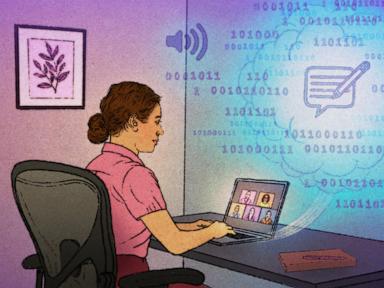
You sit down for a quick call. Before anyone says hello, three different virtual bots join the meeting room. Fireflies, Otter, and Zoom's built-in assistant are all staring back at you. Everyone freezes. The casual pre-meeting chat about weekend plans vanishes instantly. You're on the record now.
AI notetakers promised to free us from the tyranny of typing while trying to listen. They promised automated summaries, clear action items, and a perfect memory of every conversation. Instead, they're turning corporate communication into an awkward, over-monitored mess.
Professionals are pushing back. It's not just about a glitchy transcript that turns "product launch" into "project lunch." The real problem runs much deeper. These tools alter human behavior, spark massive privacy headaches, and often create more work than they save.
The Chilling Effect in the Virtual Conference Room
People don't speak the same way when they know a robot is logging their every word.
When an AI notetaker enters a meeting, psychological safety goes out the window. Employees hesitate to pitch half-baked ideas. They don't share candid feedback about a struggling project. Managers avoid transparency because they worry a raw transcript will be forwarded to upper management without context.
Think about it. Brainstorming requires a mess. You need to say stupid things to get to the good things. But when an automated bot is tracking sentiment and pulling action items, every comment feels permanent.
We see this happening across tech and finance sectors. A mid-level manager at a major consultancy recently shared that his team started using a separate, unlogged chat app during recorded video calls just to speak honestly. That's absurd. You're paying for a tool that forces your team to communicate in secret.
The Legal and Privacy Minefield Your IT Team Ignores
Most people treat AI bots like harmless digital assistants. They aren't. They're data vacuums.
Every time a bot joins a call, it captures proprietary data, financial forecasts, and sensitive HR discussions. Where does that data go? It depends on the tool, but many vendors use your conversations to train their models. Even if they claim they don't, you're still uploading your company's intellectual property to a third-party server.
- Consent issues: In states like California or countries under GDPR rules, recording someone without explicit consent is illegal. A tiny notification in the participant list rarely meets the legal bar for clear consent.
- The external guest problem: If you invite a vendor or a client to a call, your automated bot often joins automatically. It starts recording before you even ask the guest if they're comfortable with it. It's rude, and it looks unprofessional.
- Security breaches: Imagine a hacker gaining access to your notetaker account. They wouldn't just get text. They'd get months of audio logs detailing your exact business strategy.
Law firms are already banning these tools entirely. They can't risk breaking attorney-client privilege because an associate wanted an easy summary of a deposition.
The Illusion of Productivity
AI summaries look great at first glance. They have neat bullet points. They list action items with names attached. But if you actually read them closely, the flaws appear.
AI lacks context. It can't read the room. It doesn't know that when your lead developer laughed and said, "Yeah, I'll rewrite the entire backend by tomorrow," she was being sarcastic. The AI logs it as a literal commitment. Suddenly, the project manager is asking why the backend isn't done.
You also end up with transcript debt. Because nobody took notes during the meeting, nobody actually synthesized the information in their own brain. Writing notes manually forces you to process what's important. Relying on a machine means you just outsource your attention. You end up with a 4,000-word block of text that nobody has time to read later. You didn't save time. You just kicked the administrative task down the road.
How to Handle Meetings Without Ruining the Vibe
You don't have to ban technology completely, but you need strict rules to prevent bots from killing collaboration.
First, turn off auto-join. Your bot shouldn't slip into every calendar invite like an uninvited party crasher. Force yourself to manually invite the tool only when a meeting is purely informational, like a training session or a town hall.
Second, establish a "human-first" rule for creative sessions. If the goal of the meeting is strategy, brainstorming, or resolving a conflict, ban the bots. Let people speak freely without fear of a permanent record.
Assign a rotating human note-taker for critical calls. A human being knows what actually matters to the business. A human understands nuance, sarcasm, and office politics. Five bullet points written by a person who was actually engaged in the conversation will always beat twenty pages of text generated by an algorithm.
Open your calendar app right now. Go to your settings. Uncheck the box that lets your AI assistant automatically join meetings. Take control of your digital workspace before your team stops talking to you completely.