The phone calls stopped at breakfast time. Minutes later, a catastrophic wall of water and debris tore through the Nepal-China border region, wiping out hotels, roads, and entire stretches of tourist camps. Right now, families across the United States are huddled around their phones, staring at undelivered WhatsApp messages and praying for miracles.
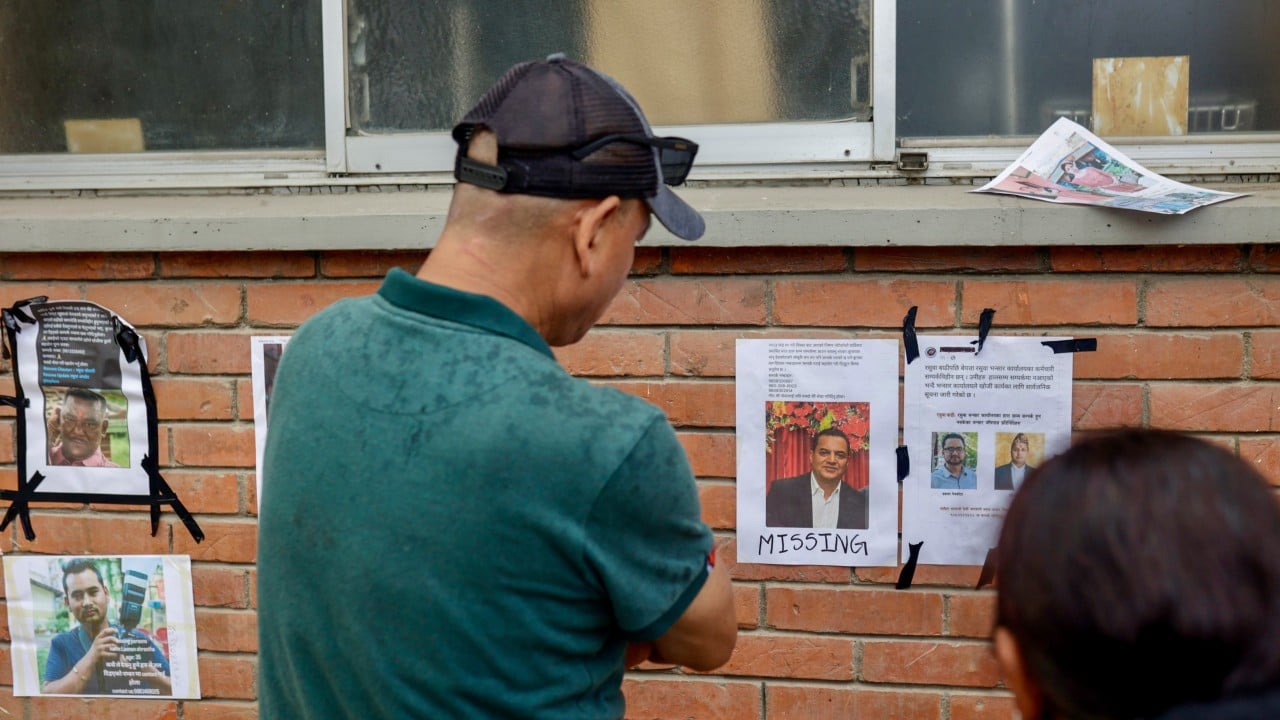
Around 90 U.S. citizens remain unaccounted for following the devastating flash floods triggered by a massive glacial collapse near Mount Kailash. For the relatives left behind in places like Virginia, California, Texas, and New York, the hours tick by with agonizing slowness. They are caught in a brutal limbo between grief and hope, desperate for answers that local rescue teams—struggling against washed-out roads and blocked terrain—can barely provide.
What Happened on the Ground
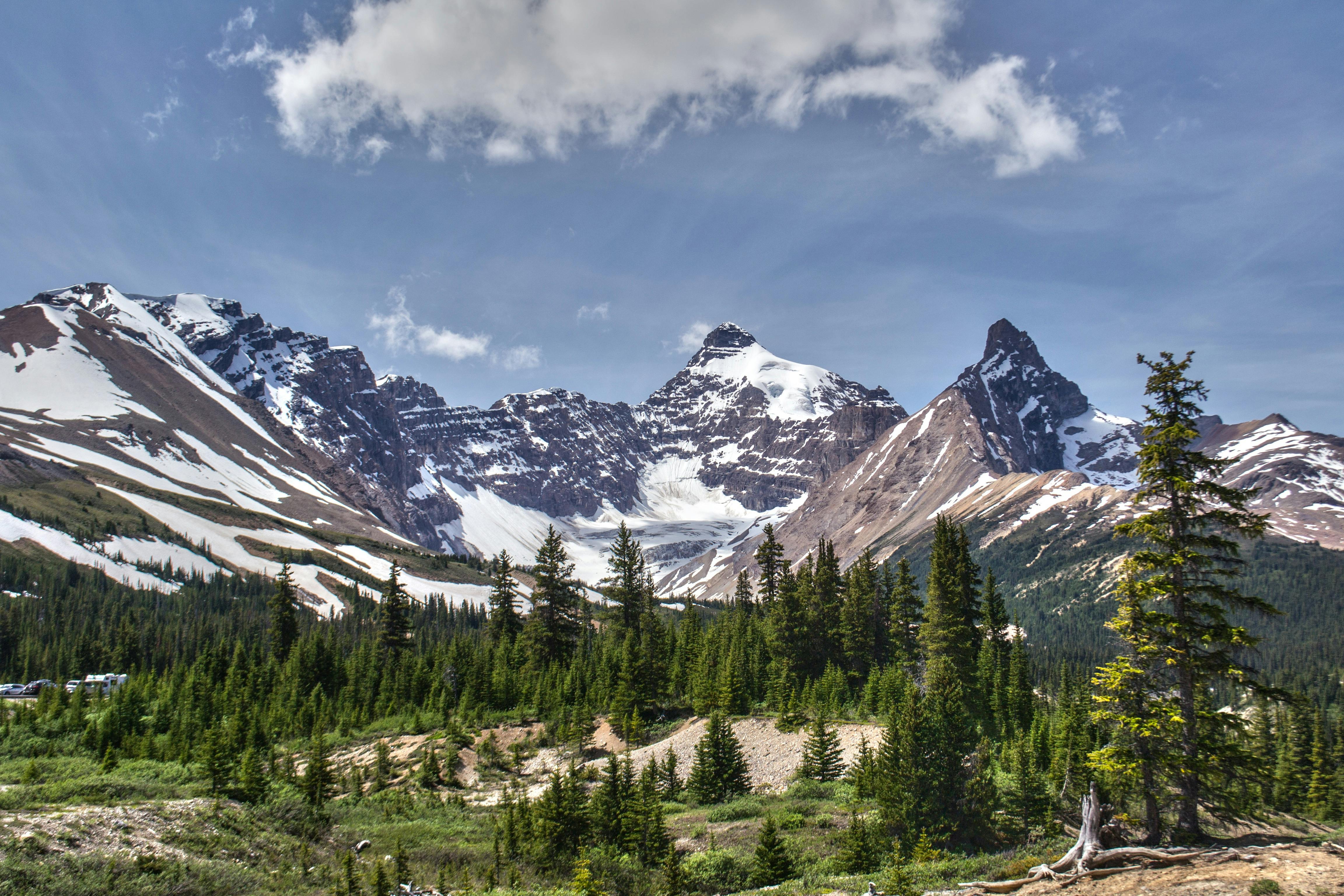
The disaster unfolded rapidly on a Wednesday morning. Scientists later confirmed that a major glacial collapse sent a violent slurry of ice, mud, and water barreling down into valleys along the border. Hundreds of people, including foreign tourists and local residents, were caught off guard.
Many of the missing Americans were traveling in organized tour groups or participating in spiritual pilgrimages toward Mount Kailash in Tibet, a sacred destination for Hindus, Buddhists, and others. The region's rugged geography makes communication difficult even under normal circumstances. When the floods took out infrastructure—including nearly 40 kilometers of roads and numerous bridges—contact was severed instantly.
Families tracking their loved ones through smartphone location sharing apps like Find My iPhone watched in horror as the last recorded pings mapped directly to the path of total destruction.
Families Speak Out Amid the Silence
In Richmond, Virginia, Mukti Patel has spent days surrounded by relatives. Her father, sister, brother-in-law, and another family member were staying at a hotel that was completely swept away by the torrent. Despite knowing the grim reality of the site, she refuses to shift her language to the past tense. They do not know anything definitive yet.
Similarly, daughters in Texas have been scrambling for updates after losing contact with their parents, a well-known local couple who traveled to the region on a birthday and pilgrimage trip. Across the country, communities are organizing vigils while relatives lobby state departments and embassies for more aggressive search operations.
The U.S. State Department has confirmed that while a handful of Americans have been rescued, dozens remain missing, and no official U.S. fatalities have been verified yet. Coordination between local Nepalese authorities, Indian teams, and Chinese officials is underway, but treacherous conditions continue to hamper ground efforts.
Dealing With an Information Blackout
When a crisis happens half a world away, the information vacuum is often the hardest part to endure. Families face conflicting reports, overwhelmed local hotlines, and social media feeds filled with fragmented updates.
If you are trying to track or support someone affected by international natural disasters, a few practical steps apply:
- Contact the U.S. Department of State’s Bureau of Consular Affairs immediately to register missing persons details.
- Reach out directly to the specific tour operator or travel coordinator who managed the itinerary, as they often maintain direct lines to local guides on the ground.
- Utilize official embassy channels in Nepal, India, and China, which are coordinating emergency response tracking for foreign nationals.
- Avoid sharing unverified casualty lists online to protect the privacy of victims' families while official verifications are underway.
The wait continues. For now, relatives are choosing to hold onto belief, watching every new rescue bulletin with bated breath.