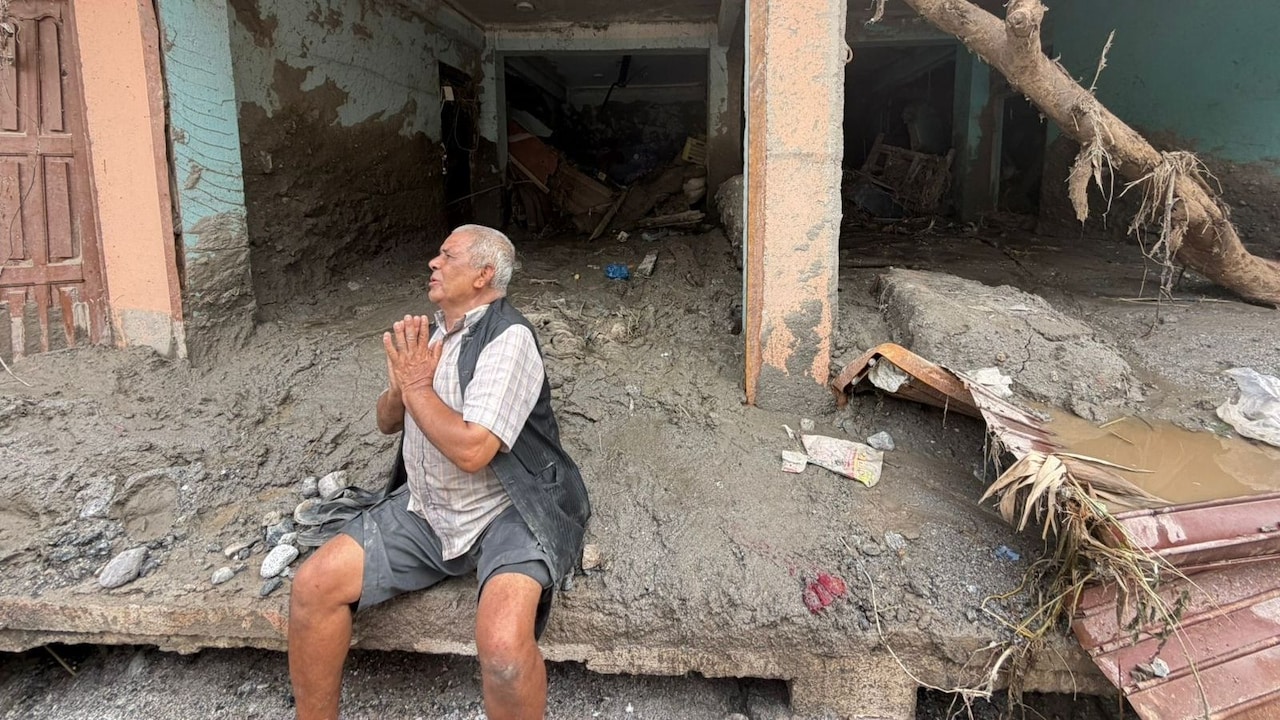
The monsoon does not negotiate. When the cloudbursts fracture the Himalayan ridgelines, the resulting walls of water carry more than mud and timber; they drag down the financial futures of entire generations. At seventy-one years old, Ram Bahadur Karki should be counting his quiet years. Instead, he is counting negative balances. The 2024 and subsequent monsoon floods in Nepal did not merely wash away his physical roof and his modest storefront; they left him tethered to an unsecured commercial loan that accrued interest while his inventory rotted in alluvial silt.
This is the hidden anatomy of disaster capitalism in South Asia. When international headlines fade, the emergency aid packs disappear, and the camera crews pack their lenses, the survivors face a brutal financial reckoning. Microfinance institutions and local cooperatives do not write off debt because a river changed its course. They restructure it. They compound it. They transform a natural hazard into an intergenerational servitude.
The Microcredit Trap After Disaster Strikes
To understand how a septuagenarian ends up owing millions of rupees after a natural disaster, one must look closely at the rural credit architecture of Nepal. Commercial banking penetration remains low outside the Kathmandu Valley and major municipal hubs. In the districts prone to flash floods, such as Kaski, Sindhupalchok, and the southern plains of the Terai, financial lifelines are dominated by microfinance institutions and informal lenders.
When a shopkeeper loses his physical assets to a landslide or river surge, his immediate need is liquidity. He needs cash to clear debris, buy temporary corrugated iron sheets, and feed his family. Traditional banks demand collateral. Land titles swept down a river cannot serve as collateral. Therefore, survivors turn to group-lending microcredit schemes or local moneylenders who charge exorbitant monthly rates.
The math of post-disaster borrowing is unforgiving. If a borrower takes fifty thousand rupees at a thirty percent annual interest rate to restart a tea stall, a subsequent unseasonal downpour can wipe out the stall before the first three installments are paid. The principal remains untouched. The interest capitalizes. Within two years, a modest loan transforms into an insurmountable liability.
Karki's situation is a symptom of a systemic policy failure. Insurance penetration for small-scale rural enterprises in Nepal sits near zero. Weather-indexed agricultural insurance exists on paper, but bureaucratic hurdles and delayed payouts render it useless for a grocery vendor or a small shop owner. When the state fails to provide adequate risk-pooling mechanisms, private debt fills the vacuum.
Structural Vulnerability In The Shadow Of The Himalayas
Geographers and hydrologists have issued warnings for decades. Infrastructure development in the mid-hills and river basins frequently bypasses basic environmental engineering. Unregulated road expansion via excavators cuts unstable mountain slopes, unleashing millions of tons of loose earth during intense precipitation events.
When these man-made landslides merge with swollen rivers, the kinetic energy is catastrophic. Entire local economies vanish in minutes.
Yet, disaster response planning remains fundamentally reactive. Millions of rupees flow into emergency relief funds tents, dry food packets, and temporary medical camps. While these interventions save lives in the immediate aftermath, they offer zero protection against the slow-moving financial asphyxiation that follows.
Consider the plight of small business owners in regional hubs. Their shops are often built on leased land close to river corridors because urban centers are crowded and expensive. When the river reclaims its flood zone, the tenant loses the business, the landlord loses the land, and the local bank loses its patience.
There is no federal moratorium on loan repayments during climate catastrophes for the informal sector. While central banks occasionally issue circulars urging commercial banks to show leniency to large corporate borrowers affected by crises, the local cooperative down the dusty road in Pokhara or Butwal operates under no such moral or regulatory constraint. They send collectors to the door.
The Failure Of State Risk Mitigation
The government of Nepal operates a National Disaster Risk Reduction and Management Authority. The framework is comprehensive on paper, filled with strategic goals, institutional linkages, and hazard mapping. Implementation, however, founders at the local municipal level.
Local bodies lack the fiscal autonomy and technical expertise to design localized economic safety nets. They rely on federal block grants that are routinely delayed or diverted toward visible concrete projects like roads and bridges projects that unfortunately often wash away in the next monsoon, completing a tragic cycle of fiscal waste.
Without targeted debt relief programs or universal basic asset insurance backed by state guarantees, every monsoon acts as a wealth-extraction mechanism. Capital flows upward from vulnerable rural populations who must borrow to survive, transferring whatever little savings they have into the hands of creditors who treat climate devastation as an acceptable risk factor in their portfolio models.
At seventy-one, Karki does not have the earning horizon required to outrun compound interest. His children have migrated abroad for labor work in the Gulf states, sending home remittances that barely cover their own mounting migration debts. The household balance sheet is negative from multiple directions.
Redesigning Post Disaster Financial Architecture
If developing nations in high-risk zones wish to prevent mass elderly destitution, the approach to climate resilience must pivot from purely physical defense to financial fortification.
First, microfinance institutions operating in disaster-prone districts must be mandated by the central bank to carry catastrophe-linked credit default insurance. If a declared state of emergency hits a district, small loans under a certain threshold must be automatically frozen and partially written off through a national disaster relief fund, rather than pushed onto the shoulders of the borrower.
Second, urban planning must incorporate mandatory relocation funds for vulnerable commercial zones. Allowing small-scale traders to rebuild on the exact same high-risk riverbanks year after year is an economic absurdity. Relocation requires capital grants, not high-interest loans.
Third, weather-indexed insurance products must be decentralized. Payouts must be triggered automatically by satellite rainfall data or river gauge heights, bypassing the months-long bureaucratic verification processes that starve survivors of cash when they need it most.
The monsoon will return next year. The Himalayan slopes will receive more rain. The rivers will rise. Until the financial architecture protecting the rural poor is fundamentally overhauled, old age in these valleys will remain synonymous with irrecoverable debt, turning natural disasters into permanent economic prisons.