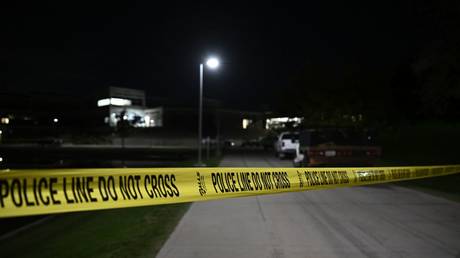
Silence descended on a quiet residential neighborhood in Erie, Pennsylvania, after a horrific tragedy unfolded behind locked doors. Nine people, including the suspected gunman and two young children, lost their lives in a horrific domestic rampage that left an entire community reeling.
When police arrived at the scene, they weren't met with chaos or active gunfire. They found eerie silence. Let's break down what actually happened, what local authorities have shared, and why incidents like this force a hard look at domestic violence and public safety.
Inside the Erie Residence
The incident occurred on a Friday, transforming an ordinary street into the site of one of the worst mass killings in the region's modern history. According to Erie Police Chief Rick Lorah, officers responded to the location and found a scene so grim that veteran responders struggled to process it.
Seven of the victims inside the home were related to the suspect. The eighth victim was a family friend. Among those killed were a 1-year-old girl, a 5-year-old boy, four women—including one who was eight months pregnant—and two young men. The suspected shooter, identified as a 45-year-old man, was found dead inside from an apparent self-inflicted gunshot wound.
Before law enforcement could make entry, security and bystander footage captured terrifying moments outside. Two women arrived at the house in clear distress, pacing and trying to alert neighbors. Investigators believe the gunman stepped outside briefly, exchanged words with them, and opened fire in the street before retreating inside. Those two women were among the dead discovered outside and on the property.
The Eerie Silence That Met First Responders
People often wonder why police don't breach a house immediately during a welfare check or a potential disturbance. In Erie, officers faced a nightmare scenario of complete stillness.
The doors were locked and the windows were shaded. There were no cries for help, no movement visible through the glass, and no ongoing gunshots. Chief Lorah noted that if anyone had attempted to flag them down or if audible sounds of a struggle had crossed the threshold, tactical teams would have forced entry instantly. Instead, they encountered locked doors and a devastating quiet.
When tactical units eventually made entry using flash-bangs, they found bodies scattered through the stairwells and interior rooms. The suspect was dead with the firearm still on his person.
Community Impact and the Warning Signs of Domestic Violence
Pennsylvania Governor Josh Shapiro and local officials quickly mobilized state resources to support Erie Mayor Daria Devlin and the grieving families. Yet, statements of condolence do little to answer the lingering question of why.
While investigators continue to comb through the suspect's background and law enforcement history, mental health and domestic disputes sit squarely at the center of the inquiry. Experts who study mass violence point out that a massive percentage of multi-victim homicides are rooted in domestic disputes rather than random public acts. When a home becomes a flashpoint for extreme crisis, the risk to vulnerable family members—especially children and pregnant women—escalates instantly.
Communities in northern Pennsylvania and across the country are left picking up the pieces, trying to understand how a family dynamic broke down to this absolute point of no return. Support systems, crisis hotlines like 988, and community intervention programs remain critical lifelines for individuals struggling under the weight of mental health crises or domestic volatility.