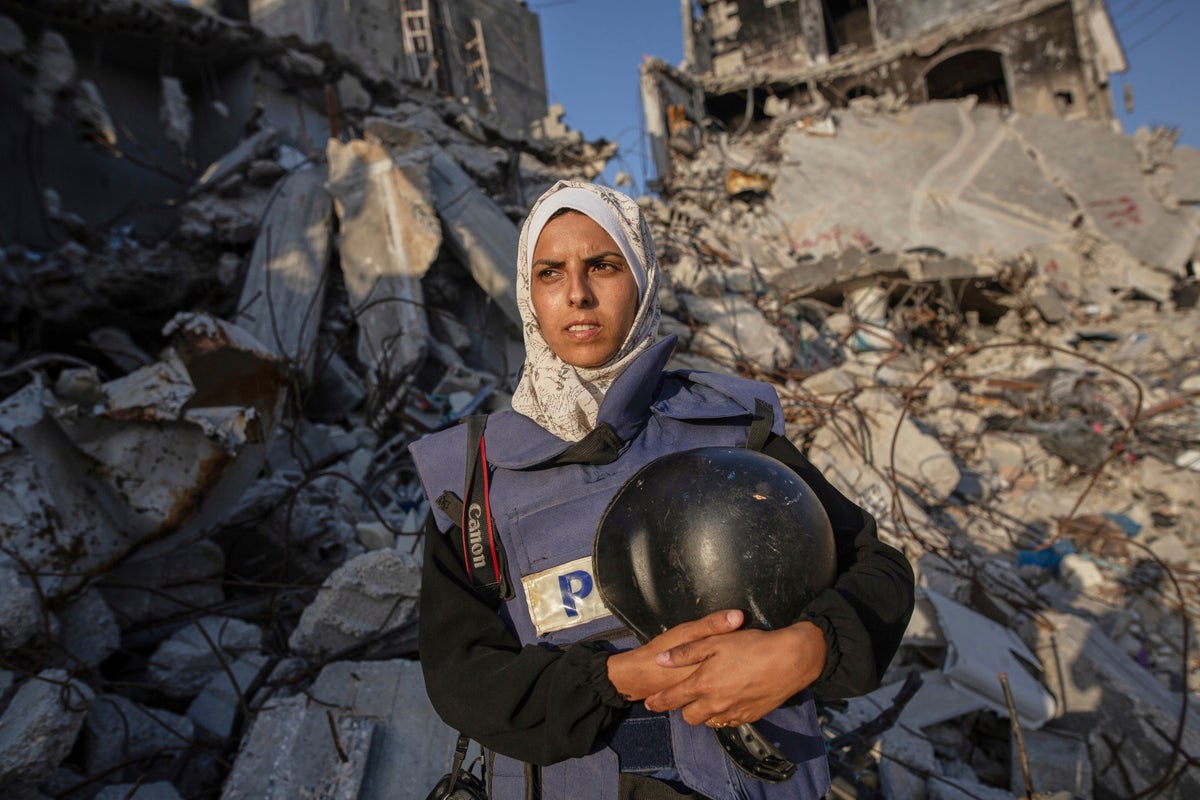
Justice moves too slowly when journalists are killed in conflict zones. One year after Israeli military strikes killed members of the press in Gaza, accountability remains entirely absent. Families, colleagues, and international watchdogs are still waiting for clear answers. Nobody is holding anyone responsible.
The silence is deafening. When an airstrike targets reporters wearing clearly marked press insignia, the burden of proof shifts immediately. Yet, transparency from military authorities rarely follows. You get vague statements instead of hard evidence.
Let us look at what actually happened. The statistics gathered by groups like the Committee to Protect Journalists and Reporters Without Borders show an unprecedented loss of life among media workers. This is not just collateral damage. It is a systematic eradication of the eyes and ears on the ground. When you silence reporters, you hide the truth.
The Anatomy of Impunity
Why do these investigations stall? The pattern is predictable. A strike happens. Condemnations roll in from global organizations. Promises of internal reviews are made. Then, months pass. The news cycle moves on.
Military investigations into their own actions rarely yield meaningful criminal charges or independent oversight. You cannot investigate yourself objectively. When independent bodies try to step in, they face restricted access, denied entry permits, and a lack of cooperation on the ground.
Press freedom advocates have called for independent international tribunals. They want third-party investigators to examine trajectory data, weapon fragments, and communication logs. Governments with leverage look away. Economic and strategic alliances routinely override human rights commitments.
What The Official Responses Look Like
Official military responses typically fall into a few standard categories.
- Claiming operational necessity or targeting hostile actors near media locations.
- Expressing regret while insisting no deliberate targeting took place.
- Opening internal inquiries that remain classified or take years to conclude without public findings.
These explanations sound professional on paper. On the street in Gaza, they mean nothing. They offer zero comfort to grieving families who watch the international community shrug its shoulders.
The Human Cost Behind The Headlines
Statistics cold-store the reality. Behind every number is a person who woke up, grabbed a flak jacket, strapped a heavy camera to their shoulder, and walked into a war zone because the world needed to see what was happening.
I have spoken with local producers and international correspondents who live in constant dread. They charge their phones whenever electricity flickers on. They sleep with their press cards in their pockets. They know the risks. What they refuse to accept is that their deaths will be treated as minor administrative errors.
When a journalist is killed without consequence, a dangerous precedent is set globally. Authoritarian regimes everywhere take notes. They see that targeting the press carries a very low cost.
Breaking The Cycle Of Silence
If you care about free expression, you cannot scroll past this. You have to demand transparency from your elected officials. Governments that provide military aid possess enormous leverage. They can condition that support on the protection of civilians and press workers. They choose not to use it.
Real change requires sustained public pressure. Share the stories of these fallen reporters. Support local media cooperatives that continue to broadcast from the rubble. Refuse to accept the normalization of violence against truth-tellers.
The wait for answers should not be indefinite. The families deserve the truth, and the perpetrators deserve prosecution. Until international law applies equally to everyone, the press remains an endangered species in every active conflict zone on earth.