The World Cup has always billed itself as the ultimate global festival, a tournament where passion matters more than your bank account. In 2026, that pitch feels completely broken.
If you want to catch the United States opening group match against Paraguay at SoFi Stadium, getting through the gate will cost you roughly $2,000 for a decent seat. Looking to attend the final at MetLife Stadium on July 19? The official Category 1 face-value tickets skyrocketed to over $6,700, while secondary marketplaces feature listings crossing the $9,000 threshold. It is a staggering shift that turns international soccer into an exclusive playground for corporate sponsors and high rollers.
Fans aren't just complaining online. The ticket pricing system has triggered legal action, labor disputes, and warnings that the legendary tournament atmosphere could fall flat.
The mechanics behind the price explosion
FIFA didn't just raise base rates this year; it changed how sports tickets are sold on the global stage. For the 2026 tournament, organizers quieted critics during the bidding process by hinting at affordable ticket tiers. Instead, they leaned heavily into dynamic pricing.
This model means ticket costs fluctuate in real time based on demand. If a match attracts heavy traffic, the system automatically pushes the price up. For fans waiting in digital queues, the experience has been brutal. The Football Supporters Europe group filed a formal lawsuit with the European Commission against FIFA, pointing out that some ticket costs jumped 25% between sales phases without any warning.
FIFA president Gianni Infantino publicly defended the strategy at the Milken Institute Global Conference, arguing that the North American sports environment dictates these rates. Infantino noted that top-tier professional and college games in the US easily fetch $300, concluding that the World Cup should command a premium. He also argued that if FIFA sets prices too low, scalpers simply capture the profit on secondary sites anyway.
The strategy creates huge margins for the governing body. FIFA operates its own official resale platform, but it collects a 15% fee on transactions from both the buyer and the seller. Critics call it a highly organized cash grab under the guise of market stabilization.
Government pushback and structural anger
The financial barrier has drawn the attention of state officials who argue that local taxpayers are being exploited. New York Attorney General Letitia James and New Jersey Attorney General Jennifer Davenport issued subpoenas to FIFA over high prices and confusing seat mappings. The state officials argue that residents who waited years for a home tournament deserve fair, transparent access rather than a gauntlet of artificial scarcity. Texas Attorney General Ken Paxton launched a similar investigation to ensure fans aren't being misled by hidden fees.
The contrast between the wealth inside the stadiums and the reality on the ground has also caused friction with the tournament's operational workforce. Frontline staff, including concession workers and stadium cleaners at major venues, have threatened strikes over stagnant wages. While premium hospitality suites bring in millions, the local workers prepping the meals argue they are entirely priced out of the event they keep running.
The cost of killing stadium culture
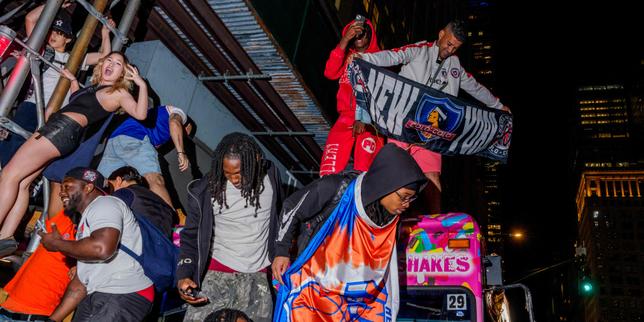
This hyper-commercial focus could completely alter how a World Cup feels on television and in the stands. Traditional soccer culture thrives on fan groups who sing, wave flags, and drum for 90 minutes. Those passionate supporters usually don't have thousands of dollars to drop on a single group-stage game.
When cheap seats disappear, stadiums fill up with casual corporate guests and wealthy travelers. It leads to what sports sociologists call the corporatization of the sporting space. Instead of a wall of sound, you get a quiet crowd that treats the match like a tennis tournament.
We are already seeing the cracks. For less high-profile fixtures, like Haiti against Scotland in Foxborough, face-value tickets hovered around $1,300, leaving visible patches of empty seats in the inventory. In response, some national federations have had to quietly explore papering stadiums by distributing free passes to specific fan groups just to avoid the embarrassment of empty sections on a global broadcast.
How to navigate the secondary market right now
If you still want to get into a stadium without emptying your savings, you have to play the secondary market smartly. Don't buy during panic windows when a matchup is first announced.
Data from recent sales cycles shows that ticket prices on third-party tracking sites dropped by more than 20% during the month leading up to the opening matches. Speculative sellers who listed tickets at absurd prices eventually lower their expectations as kickoff approaches. Watch the inventory levels on verified resale boards five to seven days before a game.
Look for neutral matches in larger venues. While games involving Mexico, Canada, or the United States carry a massive premium, lower-profile group stage matches in cities with massive stadiums often see steep discounts on the secondary market close to matchday. Skipping the corporate hospitality packages and focusing on standard upper-tier seats remains the only viable path for regular sports fans.